

Work With a Reliable Wholesale Packaging Supplier: The Eco-Friendly Packaging Australia Buyer's Guide
If you run a cafe, restaurant, meal-prep kitchen, or food retail business, "eco-friendly packaging Australia" isn't a nice-to-have anymore — it's a purchasing decision that touches your margins, your compliance risk, and how customers perceive your brand every single time they pick up an order. The problem is that "eco-friendly" has become one of the most misused terms in wholesale packaging, and the gap between a genuinely certified product and a greenwashed one is exactly where businesses get burned.
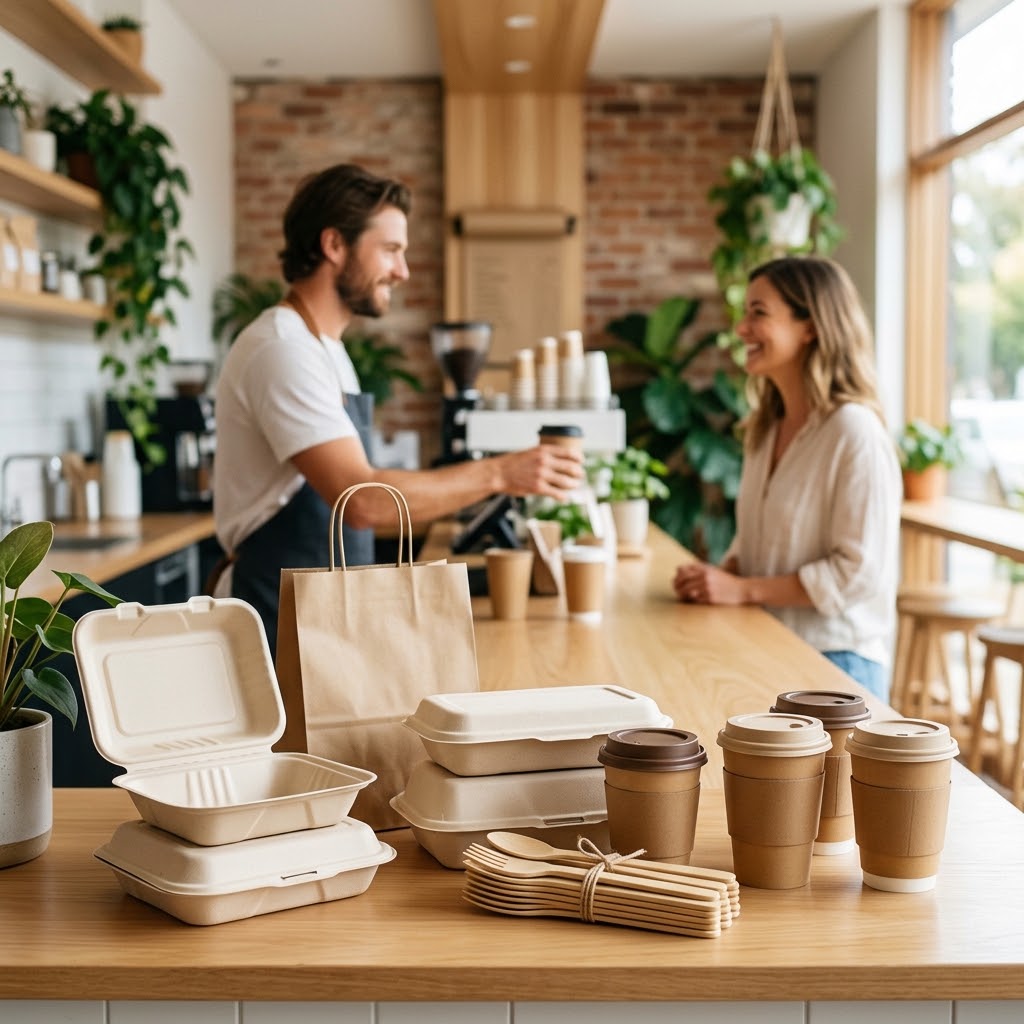
The single biggest factor in getting this right isn't which product you pick off a spec sheet — it's who you buy it from. A reliable wholesale packaging supplier does more than ship boxes. They stock certified products, keep stock levels predictable, price fairly at volume, and actually understand how their lids fit their cups. A supplier who can't offer that consistency puts your compliance, your customer experience, and your bottom line at risk.
In this guide, we'll walk through the five most common — and most costly — mistakes Australian businesses make when sourcing eco-friendly packaging, what genuine certification actually looks like, and what to look for in a wholesale packaging supplier you can build a long-term relationship with.
Why Your Choice of Wholesale Packaging Supplier Matters More Than Ever

Australia's regulatory environment around packaging is tightening. State-based single-use plastic bans are expanding, the ACCC is scrutinising "green" claims more aggressively, and customers are increasingly able to spot a hollow sustainability statement. At the same time, hospitality and food businesses are under constant pressure to control costs.
That combination — rising compliance expectations plus margin pressure — means your packaging supplier is no longer just a line item. They are effectively an extension of your compliance and procurement function. A supplier who sells you the wrong lid, an uncertified "compostable" product, or stock that keeps running out doesn't just cost you money — they cost you reputation, and in the case of misleading sustainability claims, they can expose your business to regulatory risk, not just theirs.
This is why more Australian operators are consolidating their wholesale packaging spend with a single, certified, reliable partner rather than juggling multiple suppliers and hoping the parts fit together.
5 Costly Mistakes Businesses Make When Sourcing Eco-Friendly Packaging
Most packaging failures aren't really about the product — they're about the sourcing decision that put that product on the shelf in the first place. Here are the five mistakes we see most often.
1. Buying Non-Certified "Eco" Products

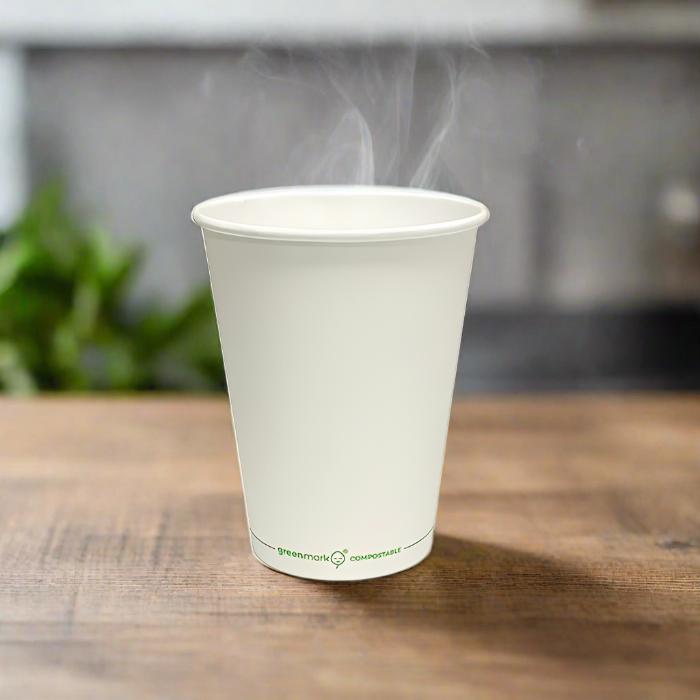
The word "eco-friendly," "biodegradable," or "compostable" printed on a product means nothing on its own unless it's backed by a recognised certification. In Australia, genuine compostable claims should reference a specific standard — AS 4736 (industrial compostable) or AS 5810 (home compostable) — verified by the Australasian Bioplastics Association (ABA). Recyclable claims should carry the Australasian Recycling Label (ARL).
Without that paper trail, you're reselling a marketing claim, not a verified product attribute — and if a customer or a journalist ever asks you to substantiate it, "the supplier told us it was eco-friendly" isn't going to hold up. We've broken down exactly what these standards mean and how to talk about them with customers in our guide to what AS 4736 and AS 5810 actually mean for your cafe — it's essential reading before you commit to any "green" packaging line.
2. Mixing Plastics Across Your Packaging System
This is one of the most overlooked mistakes in foodservice packaging. A business might buy a sugarcane bowl, a PLA-lined lid, and a PE-coated liner from three different suppliers — believing that because each individual piece is "eco," the finished package is too. In reality, mixing incompatible materials (say, a compostable base with a conventional plastic lid) contaminates the recycling or composting stream and often means the entire item ends up in landfill anyway, undermining the sustainability story you're trying to tell.
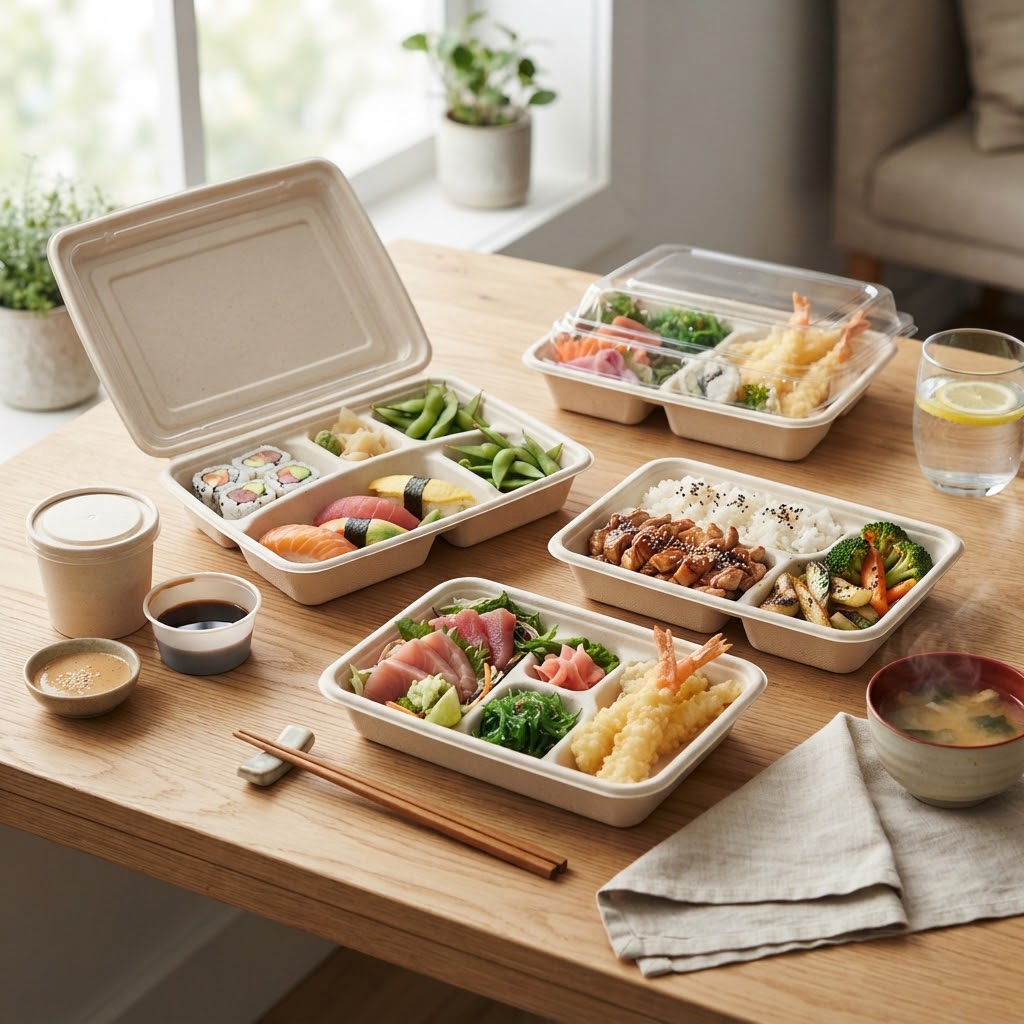
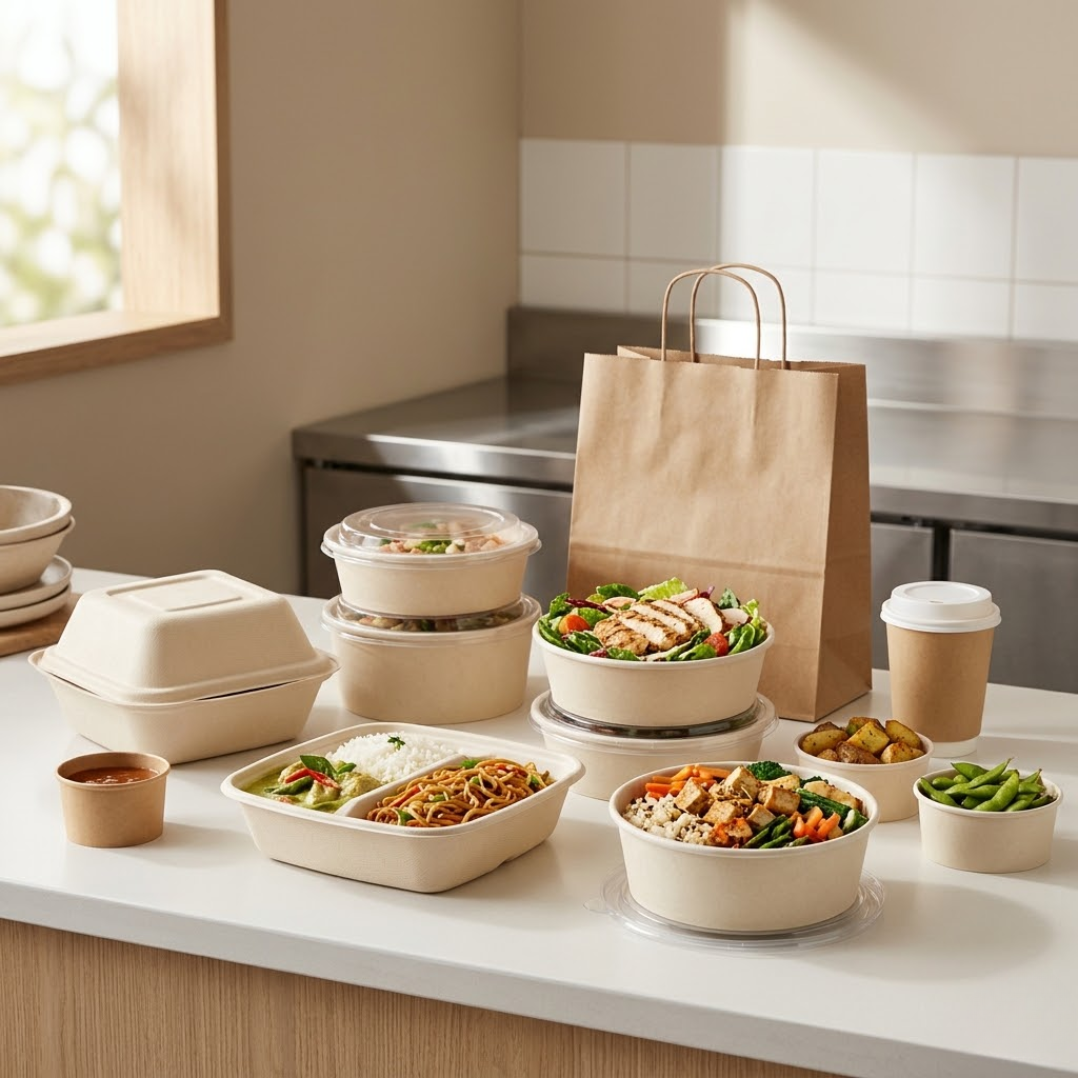
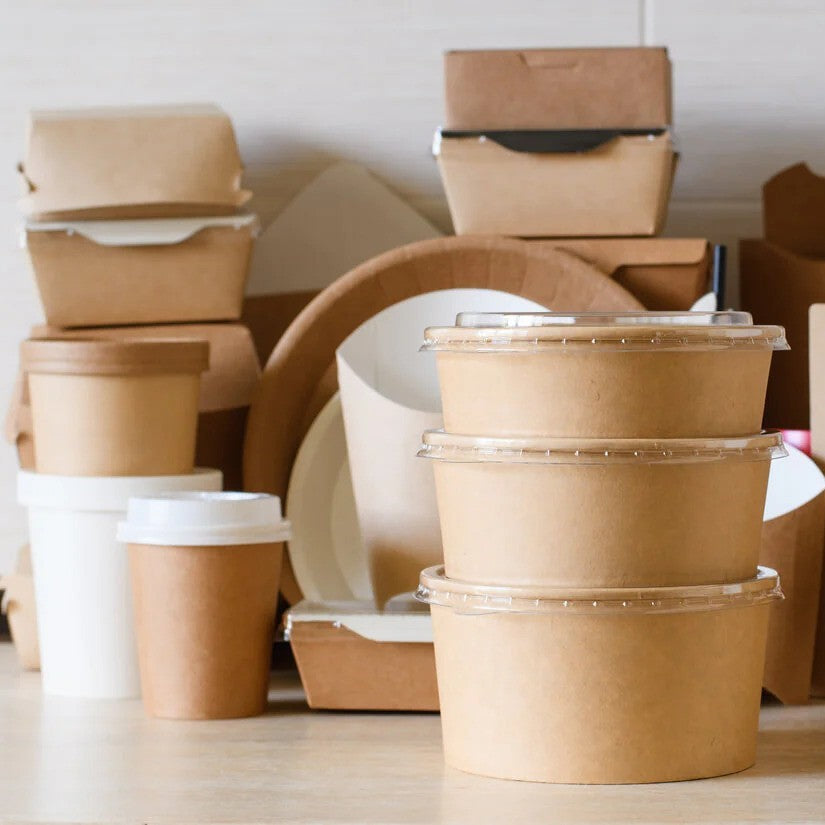
A supplier with a genuinely coordinated eco-friendly packaging system — like Pakio's BioPak range and Sugarcane Packaging collection — designs bases, lids, and liners to work together as a matched, compostable set, rather than leaving you to guess whether your components are compatible.
3. Choosing the Wrong Lid Combinations

Lids are where a surprising number of packaging failures happen. Businesses often order cups and lids from different SKUs or different suppliers, only to find the rims don't seal properly — leading to spills, complaints, and wasted stock. Worse, some operators unknowingly pair a compostable cup with a conventional plastic lid, which defeats the entire point of the eco-friendly purchase and creates exactly the mixed-materials problem outlined above.
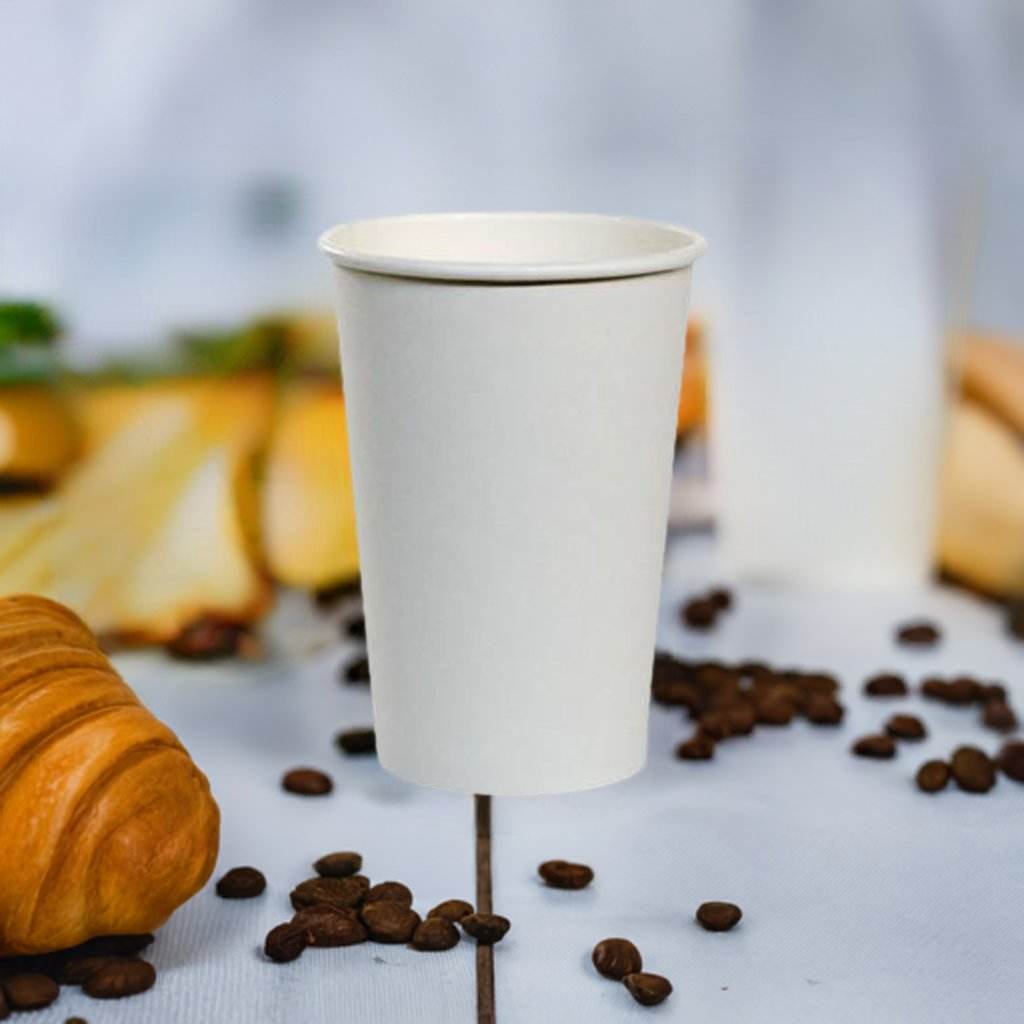
The fix is simple: source your cups and Coffee Cup Lids & Stoppers as a matched system from the same supplier. Whether you need PLA Coated cups with CPLA Lids, or Aqueous Coated cups with recyclable PS Flat Lids, a supplier who stocks the full system can confirm compatibility before you order — not after 500 units have already leaked on a delivery run.
4. Poor Customer Instructions on Disposal
Even a perfectly certified, perfectly matched product can end up in the wrong bin if your customers don't know what to do with it. This is a genuinely common gap: businesses invest in AS 4736-certified packaging, then say nothing about where it should go — so a well-meaning customer tosses it in their home compost bin, where an industrially compostable product typically won't break down as intended.
This isn't just a sustainability miss; per the ACCC's current guidance on environmental claims, an unqualified "compostable" statement without disposal context is exactly the kind of claim that struggles to hold up under scrutiny. A reliable supplier will help you get this right — supplying certification documentation at the SKU level and practical guidance you can put on signage, menus, or packaging inserts, rather than leaving you to work it out alone.
5. Prioritising Price Over Lifecycle Cost
The cheapest packaging option on a spec sheet is rarely the cheapest option once you factor in the full picture: stock reliability, freight reliability, breakage or leak rates, compliance risk, and how the product performs across its actual use case (hot food, cold drinks, delivery, dine-in). A supplier offering rock-bottom pricing on uncertified or poorly made stock can end up costing more in wasted product, customer complaints, and re-ordering than a supplier with fair, transparent bulk pricing and dependable stock.
The smarter approach is to evaluate lifecycle cost: certified material quality, consistent supply, and freight reliability, weighed against unit price — not unit price in isolation. Businesses on a Pakio Wholesale Account get transparent, tiered bulk pricing precisely so this trade-off doesn't have to be a guessing game.
What "Eco-Friendly Packaging Australia" Actually Means

Before you can evaluate a supplier, it helps to know what genuine eco-credentials look like on a spec sheet. In the Australian market, the terms that actually carry weight are:
| Term / Mark | What It Verifies | Where You'll See It |
|---|---|---|
| AS 4736 | Industrial compostable, verified by the ABA | PLA-lined cups, some food containers |
| AS 5810 | Home compostable, higher bar than AS 4736 | Select bioplastic and paper-based products |
| ARL (Australasian Recycling Label) | Product is genuinely recyclable in standard kerbside streams | Aqueous-coated cups, recyclable plastics |
| FSC Certification | Paper/fibre sourced from responsibly managed forests | Paper bags, cake boards, food wraps |
| Sugarcane (Bagasse) | Made from a renewable fibre by-product, generally compostable | Bowls, plates, clamshells, trays |
If a product on offer can't point to one of these, treat "eco-friendly" as a marketing description rather than a fact. Businesses stocking Pakio's Eco-Friendly Takeaway Packaging collection can access certification documentation for every relevant SKU — which matters if you ever need to substantiate a sustainability claim to a customer, a landlord, or a regulator.
What to Look for in a Reliable Wholesale Packaging Supplier
Once you understand the certification landscape, the next question is simpler: who can actually deliver on it, order after order? Here's what separates a reliable wholesale packaging partner from a risky one.
Consistent Stock
Nothing disrupts a food business faster than running out of takeaway containers on a Friday night. A reliable supplier holds genuine depth of stock — not just a listing on a website — so you're not left scrambling for a substitute product mid-service. Pakio stocks over 2,000 SKUs across its range, and if something isn't currently on the shelf, the team will source it rather than leave you short.
Bulk Pricing
Wholesale pricing should scale meaningfully with volume, and it should be transparent — not something you have to negotiate case-by-case. A Pakio Wholesale Account is free to register, applies wholesale pricing automatically at checkout, and includes flexible 30-day account terms for eligible businesses, so your cash flow isn't tied up in packaging stock.
Product Range
Juggling five suppliers for cups, containers, bags, and cleaning products multiplies your admin, your freight costs, and your risk of mismatched systems (see mistake #2 above). A supplier with genuine breadth — from Food Packaging and Cups & Straws through to Hygiene and Industrial & Stationery supplies — lets you consolidate your ordering and your compliance checks into one relationship.
Delivery You Can Rely On

Packaging that arrives late, damaged, or short-shipped is a business risk, not just an inconvenience. Look for a supplier with genuine Australia-wide logistics and clear delivery commitments — Pakio offers next-business-day delivery within the Melbourne Metro Area, with free shipping on wholesale orders over $200.
Genuinely Food-Safe Products
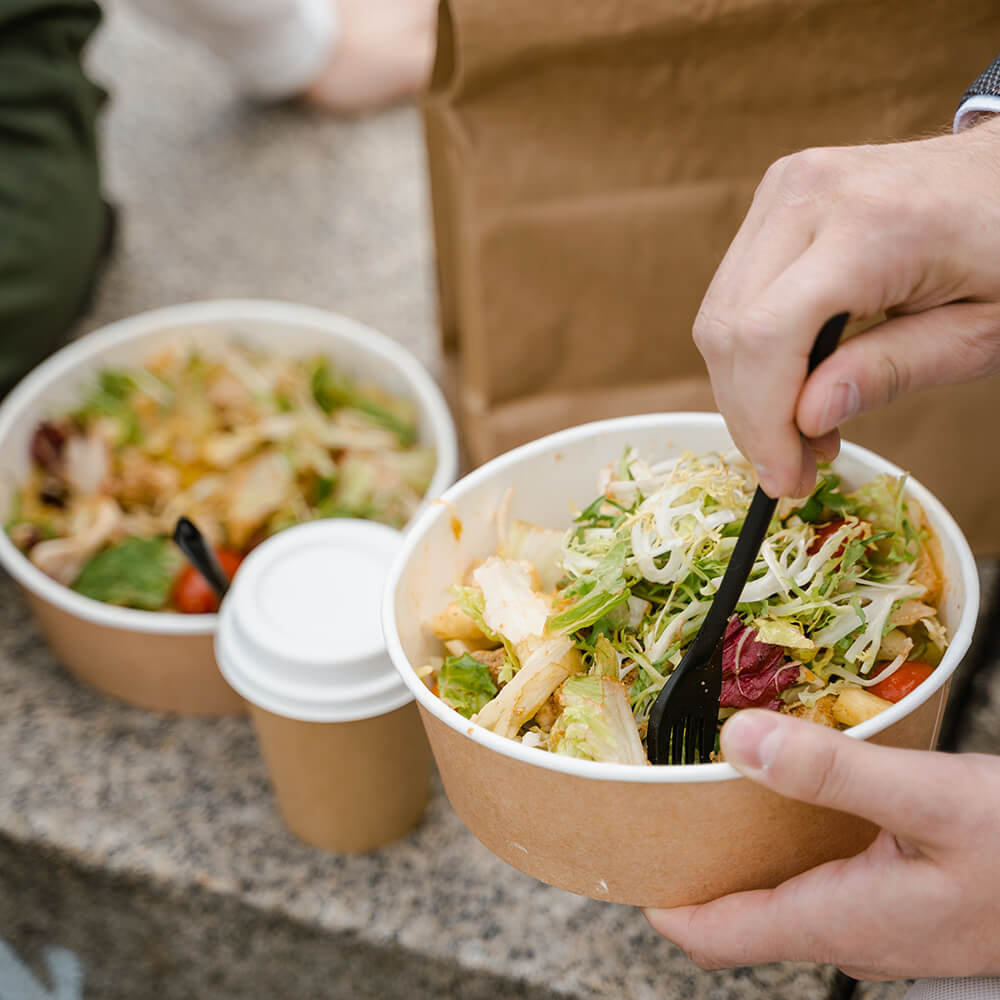
Certification for compostability or recyclability is one thing; food-contact safety is another. Reliable suppliers will be able to confirm that their Food Packaging range — from Sugarcane Bowls to Recyclable Plastic Containers — meets Australian food-contact safety requirements, not just environmental ones. Both matter, and a good supplier won't make you choose.
Reducing Supplier Juggling
Every additional supplier is another account to manage, another invoice to reconcile, another delivery window to track, and another point of failure if something goes wrong. Consolidating cups, containers, bags, hygiene, and industrial supplies under one wholesale account — with a single point of contact — is one of the simplest ways to cut administrative overhead and reduce the risk of the mismatched-systems problem covered earlier in this guide.
Why Pakio Is a Trusted Partner for Certified Eco-Friendly Packaging in Australia
Pakio is a 100% Australian-owned wholesale packaging supplier based in Keysborough, Victoria, built specifically to solve the problems outlined above. Rather than selling isolated "eco" products, Pakio supplies coordinated, certified packaging systems designed to work together — cups with matching lids, containers with compatible liners, and full certification documentation available at the SKU level.
Here's what that looks like in practice:
- Certified compostable ranges — including BioPak Packaging and Sugarcane (Bagasse) Packaging, verified against AS 4736 and related Australian standards.
- Certified recyclable ranges — including Aqueous Coated Coffee Cups carrying the Australasian Recycling Label, for businesses that want a lower-risk, widely accepted disposal pathway.
- Matched systems, not guesswork — cups, Coffee Cup Lids & Stoppers, Paper Straws, and Bamboo Fibre Straws designed to be ordered and used together.
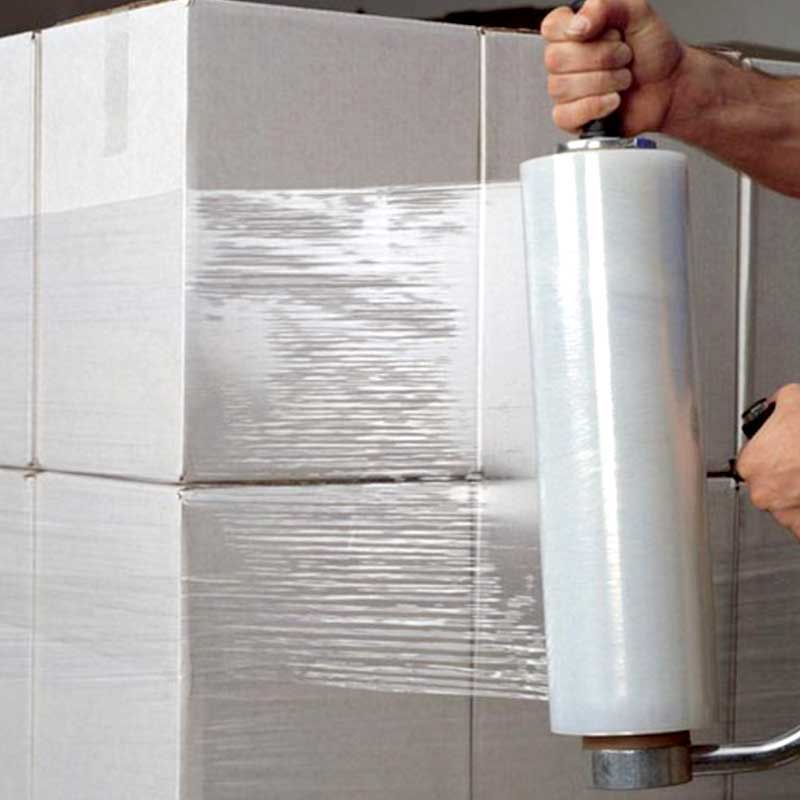
- Broader eco-conscious supplies, including Compostable Trash Bags and Eco-Friendly Bubble Wrap for businesses that need sustainable options beyond food packaging.
- A free Wholesale Account with transparent bulk pricing, 2,000+ SKUs, next-business-day Melbourne Metro delivery, and a real team who will source a product if it's not already on the shelf.
- Custom branding options, for businesses that want their sustainability commitment reflected in their own branded packaging — explore Custom Design Packaging to see what's possible.
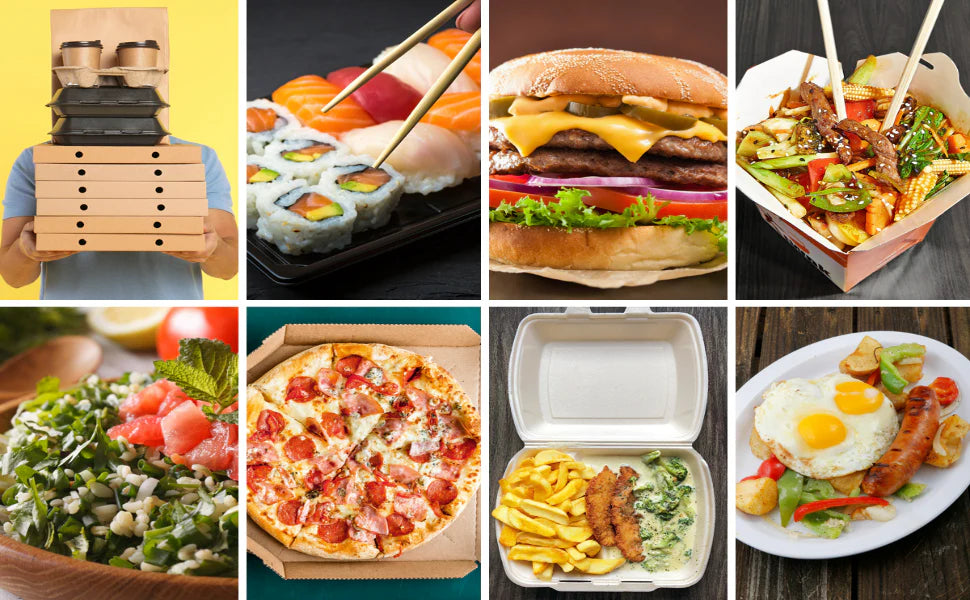
If you're currently sourcing sushi, poke, or salad-bowl packaging specifically, our dedicated guide on certified eco-friendly packaging for sushi and poke bowls walks through the certified tray and container options in more depth. And if you're navigating the upcoming state-by-state single-use plastic restrictions, our 2026 single-use plastic ban guide breaks down what's changing and how to prepare your packaging range ahead of time.
How to Switch Wholesale Packaging Suppliers Without Disrupting Your Business
Consolidating your packaging supply doesn't need to happen overnight. A practical, low-risk transition usually looks like this:
- Audit your current packaging spend. List every SKU you currently order, from whom, and at what price — including hidden costs like split freight charges across multiple suppliers.
- Identify your highest-risk gaps first. Prioritise any lines where you currently can't confirm certification, or where lids and bases come from different suppliers.
- Register for a wholesale account. Registering for a Pakio Wholesale Account is free and gives you immediate access to wholesale pricing and the full product catalogue.
- Run a parallel order first. Trial your highest-volume lines — cups, containers, bags — alongside your existing supplier before fully switching, so you can confirm fit, quality, and delivery timing.
- Consolidate in stages. Move category by category (food packaging, then cups and straws, then hygiene and industrial supplies) rather than switching every account at once.
- Document your certifications. Once you've settled on your new supplier's certified lines, keep the certification paperwork on file — it's the evidence you'll need if a customer, landlord, or regulator ever asks you to substantiate a sustainability claim.
Frequently Asked Questions
What does "eco-friendly packaging Australia" actually mean? In practice, it means packaging that carries a verifiable certification — such as AS 4736 (industrial compostable), AS 5810 (home compostable) issued via the Australasian Bioplastics Association, or the Australasian Recycling Label for genuinely recyclable products. Without one of these, "eco-friendly" is a marketing description, not a verified claim.
How do I know if my packaging supplier's products are genuinely certified? Ask directly for SKU-level certification documentation, not just a general statement that the range is "eco." A reliable supplier — like Pakio — will be able to provide certificates from a recognised body on request for every relevant product line.
Why does mixing packaging materials cause problems? When components made from different materials are combined — for example, a compostable base with a conventional plastic lid — the finished item usually can't be composted or recycled as a whole. It contaminates the intended waste stream and often ends up in landfill regardless of how "green" the individual parts were.
Is wholesale eco-friendly packaging more expensive than standard packaging? Not necessarily, especially once you account for the full lifecycle cost. Bulk wholesale pricing, consistent stock levels, and lower rates of leaks, breakages, and returns can make certified packaging comparable to — or cheaper than — cheap, uncertified alternatives once wastage and compliance risk are factored in.
How much does it cost to register for a Pakio Wholesale Account? Registration is free for Australian businesses with a valid ABN. Wholesale pricing is applied automatically at checkout once your account is approved, and a $99 minimum applies per order, with free shipping on orders over $200 within the Melbourne Metro Area.
Can I get food-safe eco-friendly packaging for hot and cold food in the same order? Yes. Pakio's Food Packaging range spans sugarcane, paper, and recyclable plastic options suited to both hot and cold applications, all available through a single wholesale account rather than separate suppliers for each format.