



Eco Friendly Packaging Australia: The 2026 Christmas Catering Checklist for Cafés & Takeaways
Christmas is the busiest, hottest and least forgiving trading period on the Australian hospitality calendar, and your packaging sits on the front line. Between iced coffees in 35°C heat, office-party platters, hot ham-and-roast takeaway boxes and the last-minute rush before the shutdown, one wrong lid or one mislabelled “compostable” container can cost you stock, customers and credibility.
If you are searching for eco friendly packaging Australia cafés and takeaways can genuinely rely on, this guide covers the five mistakes we see most often, a category-by-category Christmas packaging checklist, and the certified Pakio ranges that solve each problem. With the festive rush only weeks away, now is the time to lock in your order.
Quick answer: The best eco friendly packaging for Australian cafés at Christmas is certified (AS 4736 or AS 5810 for compostable claims, or clearly recyclable with an Australasian Recycling Label), matched lid-to-container, limited to one plastic family per pack, clearly explained to customers, and bought on total lifecycle cost rather than unit price alone.
Why Christmas Is the Biggest Packaging Test of the Year

December compresses every packaging challenge into a few weeks. Volumes spike, casual staff are still learning your systems, and a typical Australian summer day means cold drinks, melting desserts and condensation on every container. Catering orders add another layer: large trays, bulk drinks and guests who have no idea which bin to use.
Regulation matters too. Single-use plastic bans now apply across Australian states and territories, covering items such as lightweight plastic bags, plastic straws, plastic cutlery and expanded polystyrene containers, and some jurisdictions are tightening labelling rules for compostable packaging. Our single-use plastic bans guide for Australian cafés and restaurants breaks down the state-by-state detail, and you should always confirm current requirements with your state environment authority.
As a Melbourne-based wholesale supplier stocking thousands of food packaging, cup and cleaning SKUs, we see the same avoidable errors repeat every festive season. They are fixable, and none of them require a bigger budget, only better decisions made earlier. Start with our Event & Catering Packaging and Eco-Friendly Takeaway Packaging collections if you want to browse as you read.
The 5 Christmas Packaging Mistakes Australian Cafés & Takeaways Make
Mistake 1: Buying Non-Certified Products

Words like “compostable”, “biodegradable”, “plant-based” and “eco” are easy to print and hard to verify. In Australia, genuine compostable claims usually point to one of two standards: AS 4736 (industrial composting) or AS 5810 (home composting), verified through certification bodies such as the Australasian Bioplastics Association (ABA). Packaging without a certificate behind it is making a descriptive claim, not a proven one.
The practical risk is twofold. First, greenwashing exposure: the ACCC expects environmental claims to be specific and supportable. Second, customer confusion: an AS 4736 product is designed for commercial composting, so a well-meaning guest who tosses it in a backyard bin may find it barely breaks down. We unpack this in our plain-English guide to AS 4736 vs AS 5810 compostable cups.
The Christmas fix
- Ask every supplier for a certificate of conformity that matches the exact product you are buying, not just the brand.
- Check which standard it meets, then describe it honestly: “industrial compostable, check your local council”.
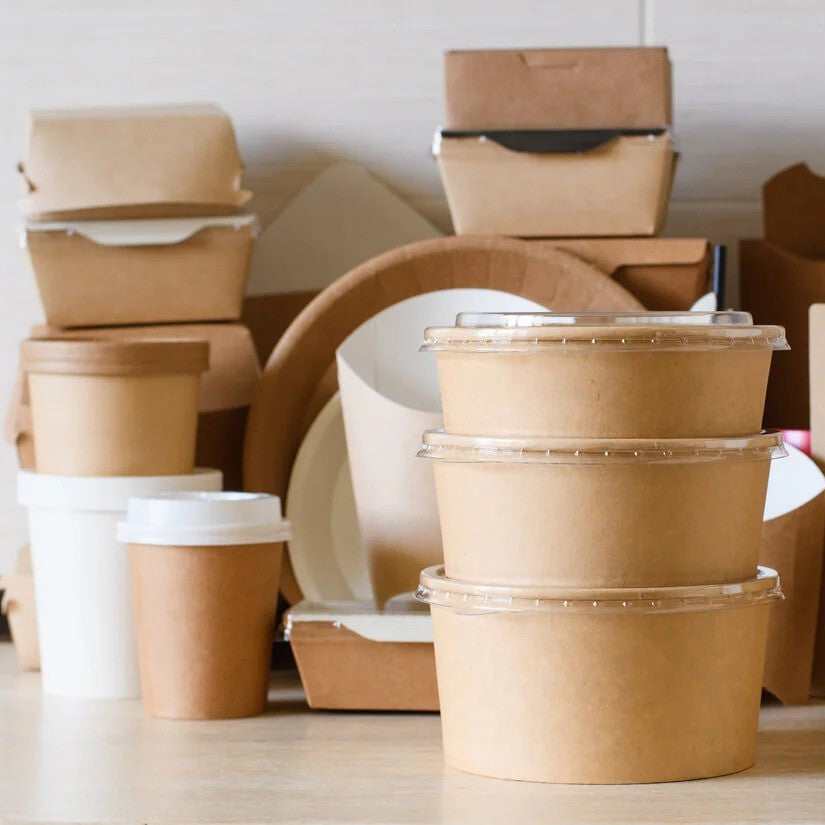
- Prefer fibre-based formats such as sugarcane takeaway containers and compostable food packaging where you want a clear, defensible story.
- For cups, compare bagasse cups and coated paper options, and request documentation per SKU.
Mistake 2: Mixing Plastics

A Christmas takeaway pack often combines a tray, a lid, a sauce pot and a sleeve, and they are not always the same material. When a PET lid sits on a polypropylene base, or a fibre container is closed with a plastic film, the pack becomes harder to recycle or compost because customers and waste facilities cannot easily separate the parts. Add a bioplastic such as PLA into a recycling stream and it becomes a contaminant rather than a benefit.
Mixed materials also create performance problems. Different plastics flex, seal and handle heat differently, so a lid that fits perfectly on a cold salad tub may pop off a warm ham container.
The Christmas fix
- Standardise one material family per format. Fibre base with fibre lid, or recyclable plastic base with matching recyclable plastic lid.
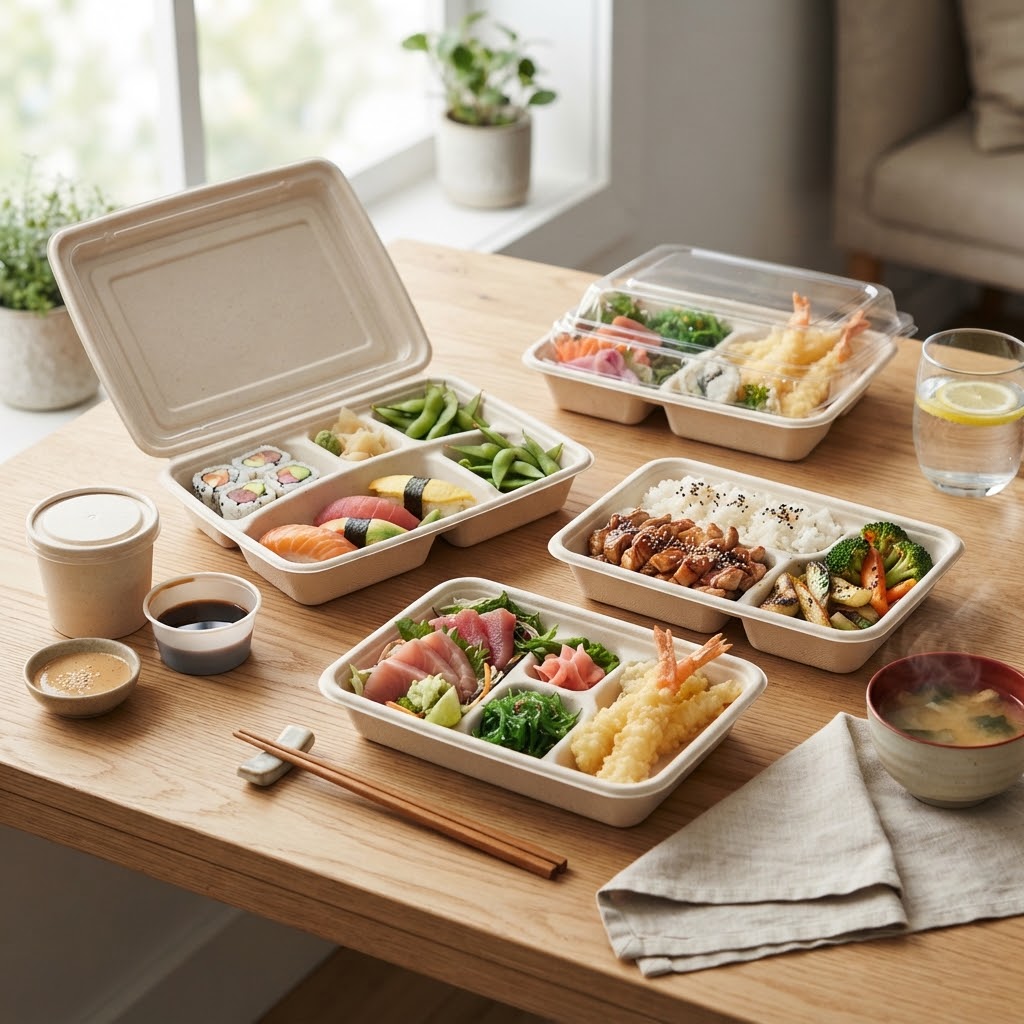
- Choose plastic only where clarity or a liquid-tight seal is essential. Pakio’s recyclable plastic range includes rectangular containers, deli and round containers and sushi and sandwich containers for cold platters and salads.
- For hot mains, move to paper food containers or sugarcane to avoid heat-related lid failures.
- Write down your pack “recipes” (base + lid + extras) so every shift builds the same combination.
Mistake 3: Wrong Lid Combinations

Lid errors are the most common cause of festive-season leaks and complaints. The usual culprits are a hot-drink lid on a cold cup, the wrong neck size for the cup, a flat lid on a drink that needs a dome for cream or toppings, and a lid made from a different material than the container it protects.
Cup sizing is the simplest trap. Lids are matched to the cup’s rim diameter (commonly 80mm for 8oz and 90mm for larger sizes), so confirm the specification on the product page before you stock up. Material matching matters just as much: a cup sold on its compostable credentials loses that story if it leaves your counter with a non-compostable lid.
The Christmas fix
- Browse the full coffee cup lids and stoppers range, then pair cups with CPLA lids or bagasse lids where you want a consistent eco message.
- Use dedicated cold cup lids for iced drinks, frappés and shakes.
- For food, shop food containers with lids so base and lid are designed together.
- Do a 10-minute lid test before December: fill, close, tilt, carry. Our winter takeaway lid, sleeve and double-wall checklist shows the same method for hot drinks.
Mistake 4: Poor Customer Instructions

Even perfect packaging fails if nobody knows what to do with it afterwards. At Christmas, takeaway orders are eaten at the beach, in the office or at family lunches, far from any bin you control. If the pack gives no disposal guidance, most of it will end up in general waste.
The fix is specificity. Vague claims such as “eco-friendly” are weak. Clear, conditional statements such as “industrial compostable, check your local council’s green bin rules” or “recyclable in your yellow bin” are honest and far easier to defend. Availability of FOGO (food organics and garden organics) collection and what each council accepts varies widely, so never assume.
The Christmas fix
- Add a short disposal line to menus, signage and catering order confirmations.
- Train staff with a one-sentence answer for “where does this go?”
- Put disposal icons and messaging directly on packs with custom printed takeaway bags, custom paper bags or custom coffee cups. See our custom packaging service.
- For events, supply compostable bin liners and clear bin labels so guests sort waste correctly.
Mistake 5: Prioritising Price Over Lifecycle
The cheapest unit price rarely produces the cheapest Christmas. A flimsy container that buckles under a hot roast, a lid that leaks onto a customer’s car seat, a remake, a refund, an emergency reorder at retail prices: all of these sit outside the line item on your invoice. So does compliance risk if a product cannot be backed by documentation.
Think in total cost of use: unit price + breakage and remakes + staff time + storage + disposal + stock-out risk + brand impact. Compostable options usually cost more per unit than conventional plastic. In our plastics guide we estimated that a café serving around 200 takeaway coffees a day might add roughly $6–$10 per day by switching cups and lids, an indicative figure that varies by supplier and specification, and one that wholesale volume pricing can narrow considerably.
The Christmas fix
- Cost each pack as a complete set, not component by component.
- Order in bulk through a wholesale account or Ordermentum to protect margin and avoid peak-season stock-outs.
- Offer cutlery and sauces on request to cut waste.
- Read our wholesale packaging supplier buyer’s guide for supplier questions worth asking before you commit.
The Christmas Catering Packaging Checklist for Cafés & Takeaways (2026)

Work through this list category by category. Tick each box before your December order goes in, and keep the completed list with your supplier certificates as your internal compliance record.
Hot Drinks
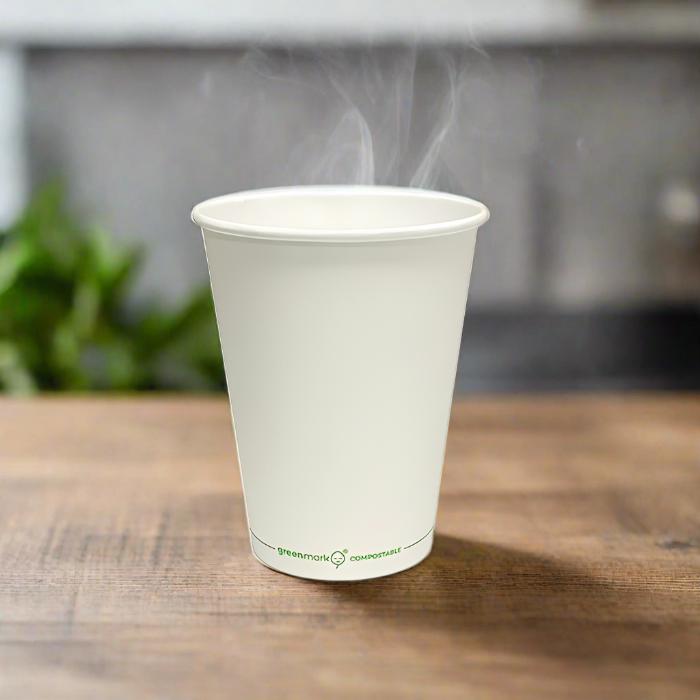
☐ Cups matched to your menu sizes: double wall coffee cups for heat protection, in PLA coated or aqueous coated finishes
☐ Lids confirmed for the exact cup diameter and material pathway
☐ Cup holders and sleeves for multi-drink catering orders
☐ Certificate or recyclability proof on file for every cup and lid SKU
Cold & Festive Drinks
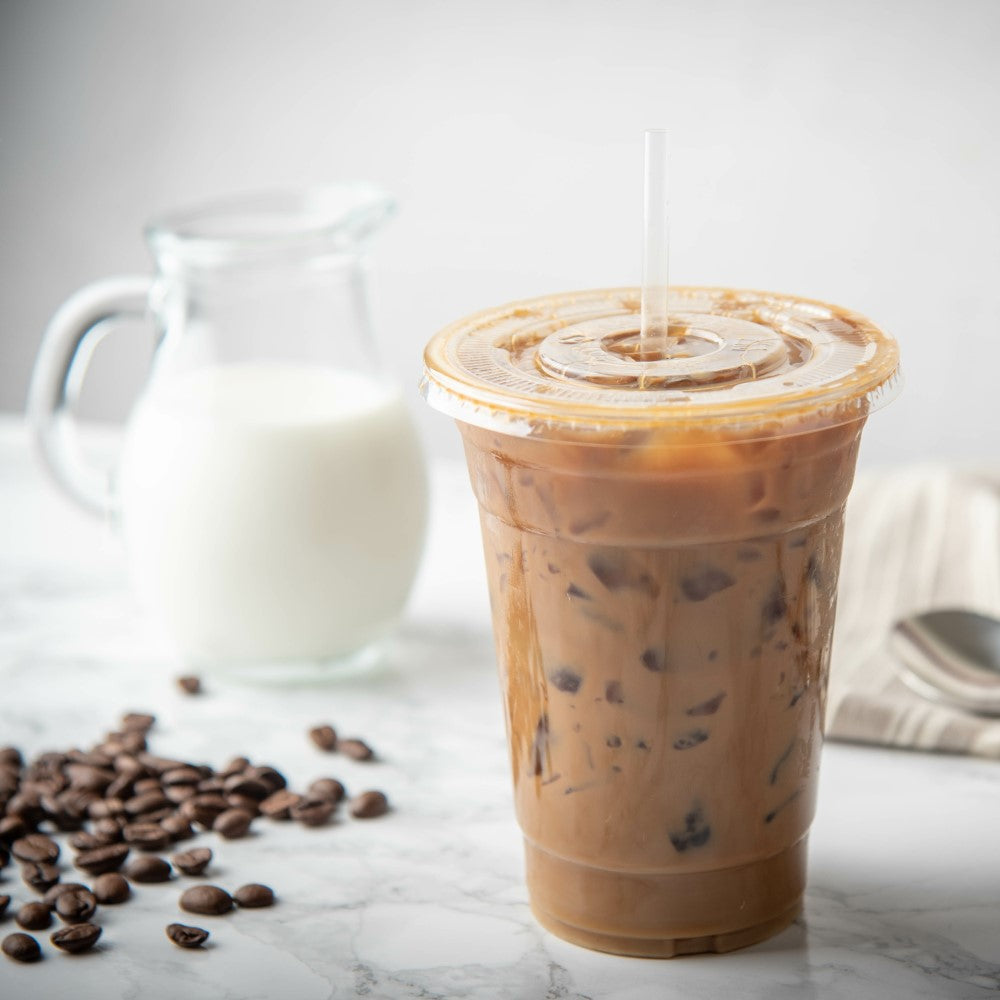
☐ Cold cups and matching cold cup lids, including dome options for toppings
☐ Paper cold cups for shakes and smoothies
☐ Paper straws (plastic straws are banned in Australia, with medical and disability exemptions)
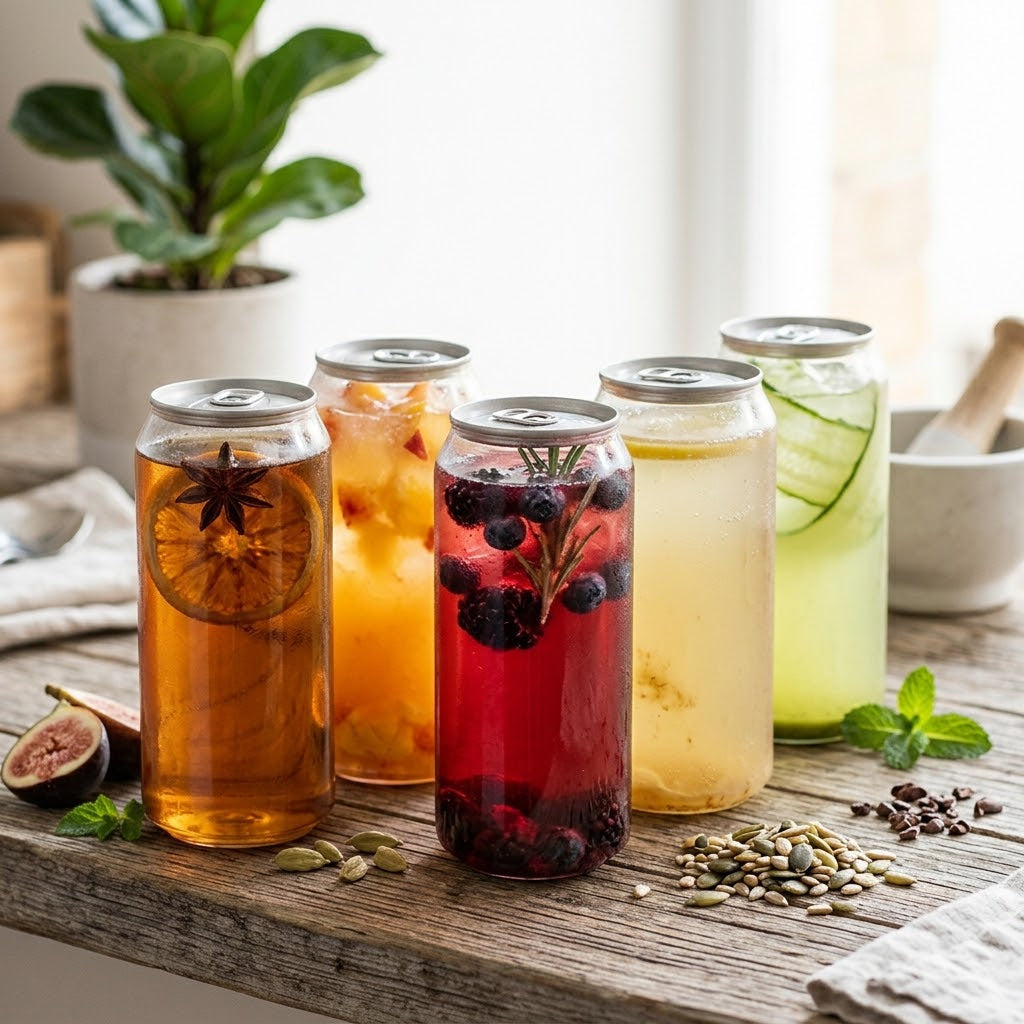
☐ Gift or bottle-shop style drinks? Explore Cantra PET cans, including options for cold brew and iced coffee. Our PET cans 101 guide explains the switch.
Grazing Platters & Catering
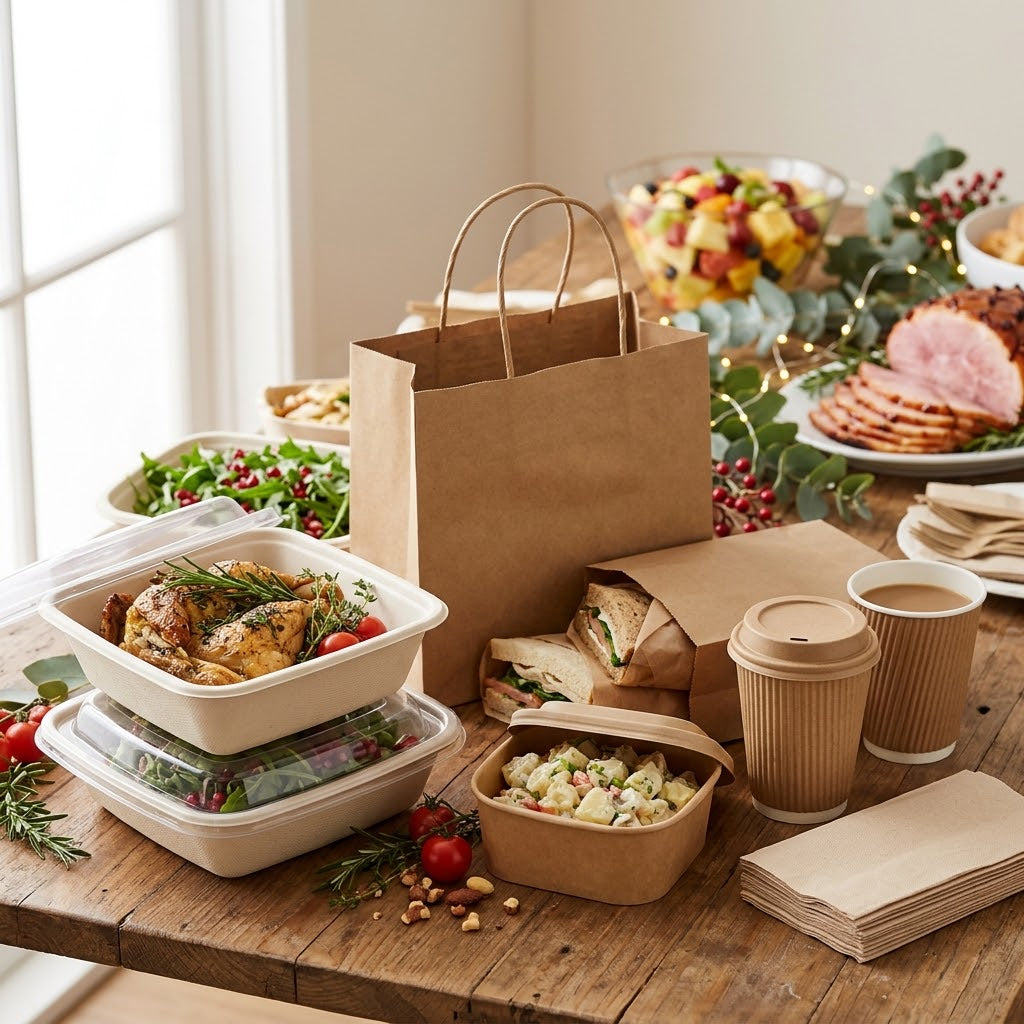
☐ Catering trays sized to your most common platter, such as the Medium White Catering Tray Base
☐ Foil trays and containers for hot catering that needs reheating
☐ Greaseproof paper for lining and wrapping cheese, ham and pastries
☐ Sugarcane clamshells for grab-and-go festive meals
Hot Mains & Takeaway Meals
☐ Sugarcane rectangle containers, for example the 750ml White Rectangle Sugarcane Container
☐ Larger family portions: the 1400ml Bamboo Paper Square Container or the 950ml Octa Takeaway Base
☐ Portion and sauce cups for gravy, cranberry and condiments
☐ One base + one lid combination documented for each container size
Desserts, Bakery & Gifting
☐ Cake boxes, such as the Milk Board Cake Box 8x8x6 inch, for puddings, pavlovas and festive cakes
☐ Cake & dessert packaging and ice cream & gelato packaging for summer sweets
☐ Baking papers for gift trays and bakery boxes
Carry, Delivery & Extras
☐ Takeaway carry bags sized for multi-item orders, plus SOS bags for quick counter service
☐ Wooden cutlery and napkins, offered on request
☐ Food rotation labels for pre-prepped catering stock
Back of House, Waste & Compliance
☐ Compostable trash bags and a clear bin-sorting guide for staff
☐ State-by-state plastic ban check completed for every location you trade in
☐ Staff briefed on a one-sentence disposal answer for customers
☐ Signage, menus and online ordering text reviewed for specific, honest environmental claims
Pakio’s Certified & Eco-Focused Options for Christmas
Pakio is an Australian-owned packaging supplier based in Keysborough, Victoria. Our BioPak packaging range, PLA, aqueous coated and recyclable lines are tagged by certification at SKU level, with documentation available on request. Here is how the main ranges map to the mistakes above.
- Fix non-certified products: start with compostable food packaging and sugarcane containers.
- Fix mixed plastics: standardise on recyclable plastic containers or paper food containers.
- Fix lid mismatches: pair cups with CPLA lids and containers with food containers with lids.
- Fix customer confusion: brand packs through custom design packaging.
- Fix price-over-lifecycle thinking: compare complete pack costs through wholesale pricing.
- Browse by business type: café takeaway packaging, event & catering packaging and food truck packaging.
Not sure which combination suits your menu? Talk to the Pakio team and we will match products to how your kitchen and counter actually run, not just to the words on the label.
Your Christmas Packaging Order Timeline

- Now: audit and shortlist. List every cup, lid, container, bag and utensil you plan to use. Note material, certification and weekly volume.
- Next 1–2 weeks: verify and sample. Request certificates, run the lid test, and trial your pack “recipes” with real food.
- Mid-November: place your wholesale order. Order for peak weeks plus a buffer, and confirm delivery cut-offs with Pakio. Melbourne Metro customers can access next business day delivery.
- Late November: brief the team and update signage. Cover disposal answers, lid pairings and catering packing standards.
- December: monitor and top up. Track usage weekly so you reorder before you run out, not after.
Frequently Asked Questions
What is the best eco friendly packaging for Christmas catering in Australia?
The best option is packaging that is verifiably certified or recyclable, suits the temperature and moisture of your food, and is easy for customers to dispose of. Sugarcane and paper-based containers, matched lids, and recyclable plastic where a leak-proof seal is needed are the most common choices for cafés and takeaways.
How do I know if packaging is genuinely compostable in Australia?
Look for certification to AS 4736 (industrial) or AS 5810 (home), typically via the Australasian Bioplastics Association, and ask your supplier for a certificate of conformity matching the exact product. “Biodegradable” or “eco” on its own is not proof.
Is compostable packaging better than recyclable packaging?
Neither is automatically better. Compostable packaging only delivers its benefit if it reaches a suitable composting facility, while recyclable packaging needs the right bin and clean, single-material parts. Choose based on the disposal pathways your customers genuinely have access to.
Can compostable packaging go in the green bin?
Only if your local council’s FOGO service accepts it, and many do not accept bioplastic packaging. Always check council guidelines and tell customers to do the same.
Can I mix PET, PP and PLA parts in one takeaway pack?
It is best avoided. Mixed materials are harder to separate, can contaminate recycling or composting streams, and often perform inconsistently. Keep each pack to one material family wherever possible.
When should I order Christmas packaging for my café?
Place your main order by mid-November and use December for top-ups. Ordering early protects you from stock-outs and gives time to test lids and containers with real food.
Does eco friendly packaging cost more?
Often yes per unit, but total lifecycle cost can be closer than it looks once breakage, remakes, compliance and brand value are included. Wholesale volume pricing helps narrow the gap.