



The Container Decision That Makes or Breaks Your Takeaway
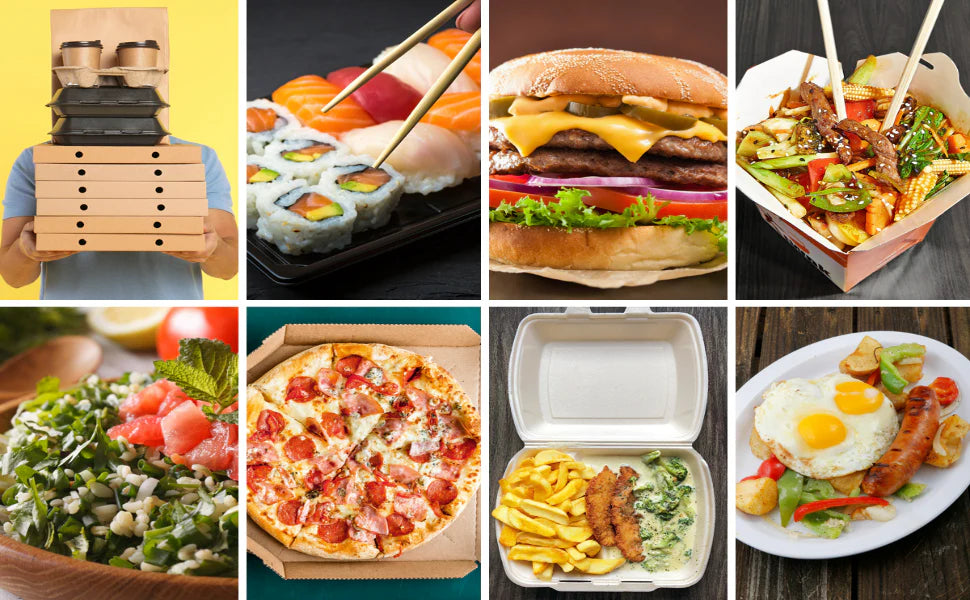
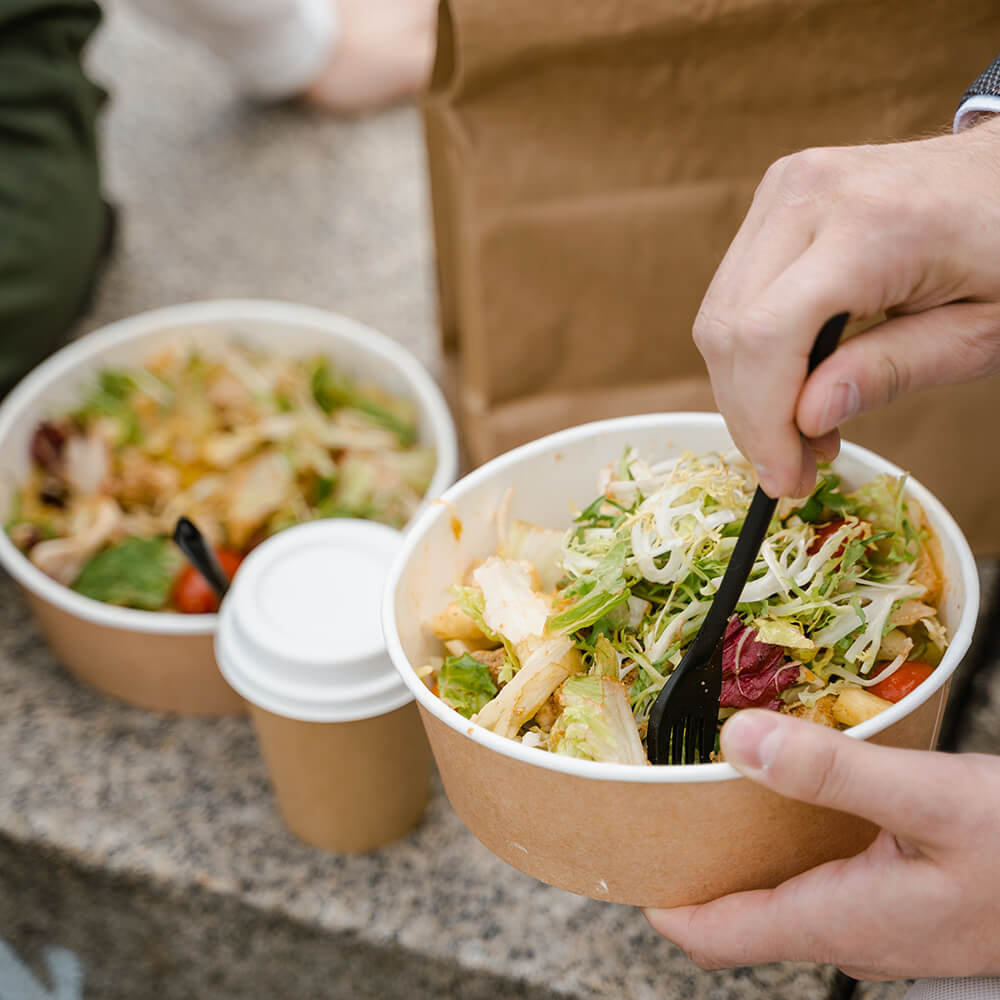
Every Australian café, takeaway shop and food truck owner eventually asks the same question: which container will actually survive a hot, oily parma, a saucy butter chicken, or a stack of greasy hot chips without leaking, buckling, or turning to mush in the customer's hands?
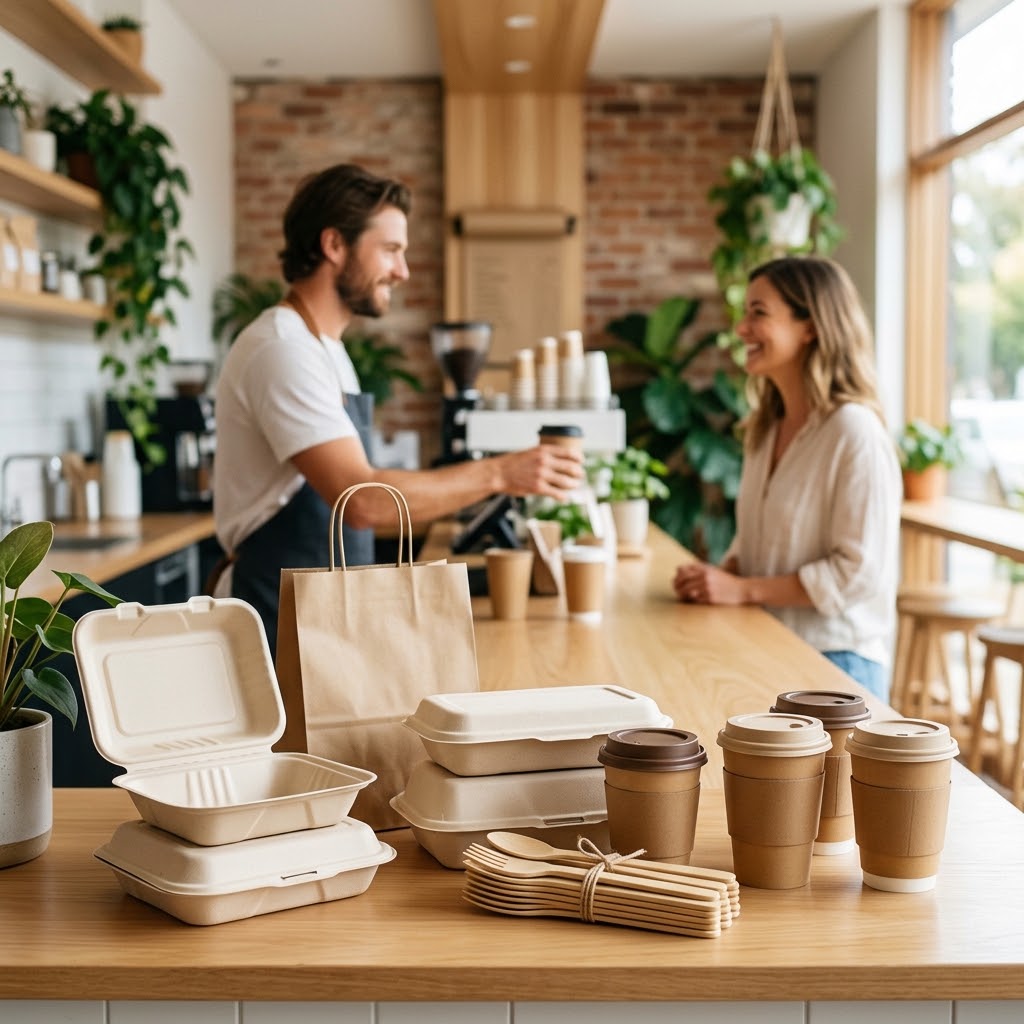
It's not a small decision. Get it wrong and you're refunding orders, fielding one-star reviews about soggy boxes, and quietly burning margin on packaging that simply isn't fit for purpose. Get it right, and your eco-friendly packaging Australia customers already expect becomes a genuine point of difference — sturdy, presentable, and good for the planet.
This guide breaks down the three most common takeaway packaging materials — bagasse (sugarcane pulp), paper, and recyclable plastic — and tells you exactly which one performs best for hot, oily, and high-moisture food. We'll also walk through the five mistakes Australian businesses repeatedly make when switching to sustainable packaging, and how to choose certified options that won't let you down at 7pm on a Friday dinner rush.
Why Container Choice Matters More Than Ever in 2026

Australian consumers are more packaging-literate than ever. They notice when a box is greasy on the outside, when a lid pops off in transit, or when a "compostable" label doesn't actually match what's inside the bin. At the same time, state-based single-use plastic bans and container regulations are tightening food service requirements across the country.
That combination — customer expectation plus regulatory pressure — means the material you choose for your takeaway containers isn't just a back-of-house logistics decision anymore. It's a brand decision. Businesses that get ahead of this shift by sourcing certified eco-friendly packaging are the ones protecting both their reputation and their compliance position heading into the next financial year.
Bagasse: The Sugarcane Pulp Powerhouse for Hot, Oily Food
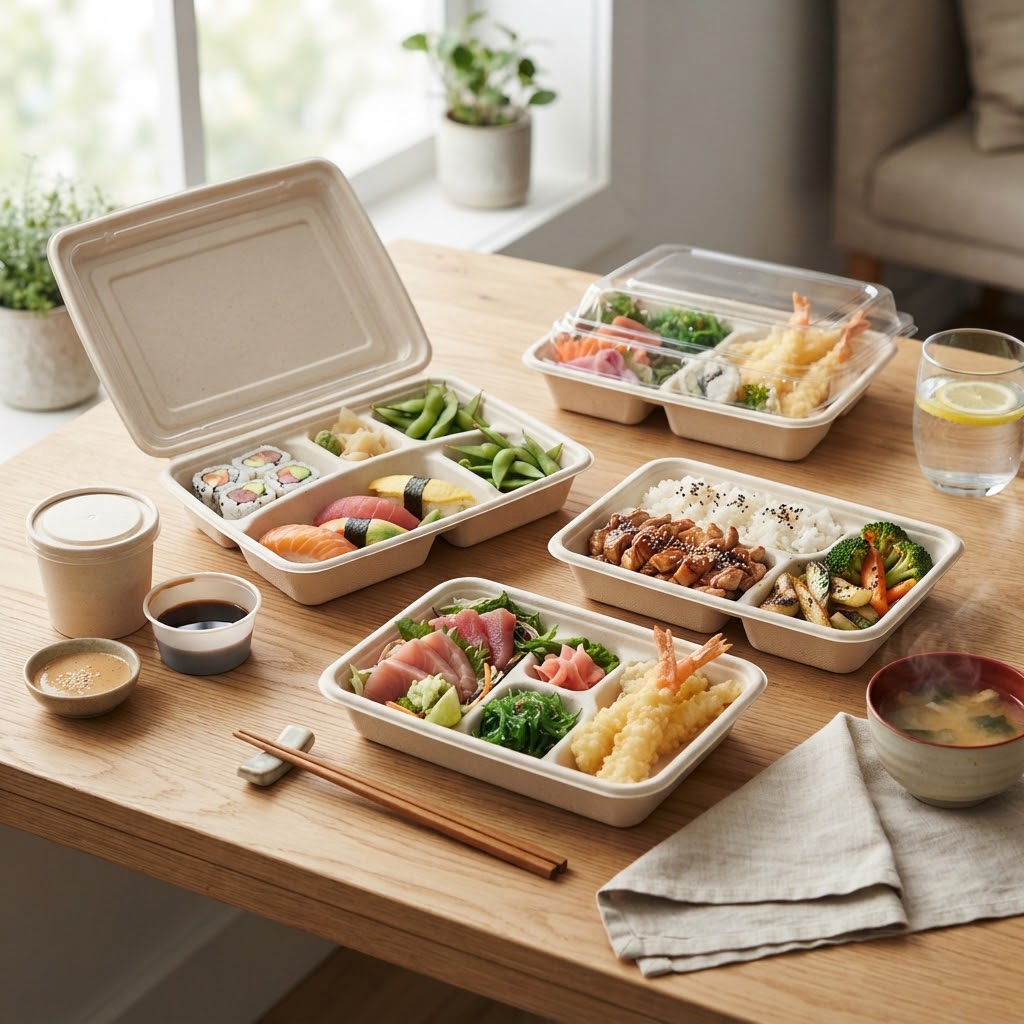
What it is: Bagasse is the fibrous pulp left over after sugarcane is processed for juice. It's moulded into bowls, clamshells, trays and plates that are naturally sturdy, heat-resistant, and — crucially — genuinely compostable when certified to Australian standards.

Why Bagasse Wins for Hot & Greasy Meals
-
Heat tolerance:
Bagasse is microwave-safe and freezer-safe, and it holds its shape under sustained heat far better than standard paper. A container of hot Thai curry or a fresh-from-the-fryer parma won't cause it to warp or collapse. -
Grease and oil resistance:
The dense, moulded fibre structure resists oil penetration much better than thin paperboard, which is why bagasse is the go-to for fish & chips takeaway packaging and fried food where grease-through is the number one complaint. -
Structural rigidity:
Unlike flimsy paper trays, bagasse clamshells and containers hold their shape when stacked, stored, or handed over a busy counter — a real advantage for chicken shop takeaway packaging and other fried-food-heavy menus. -
Genuine compostability:
When certified (more on this below), bagasse breaks down in commercial composting systems, which is a meaningful sustainability story you can actually stand behind.
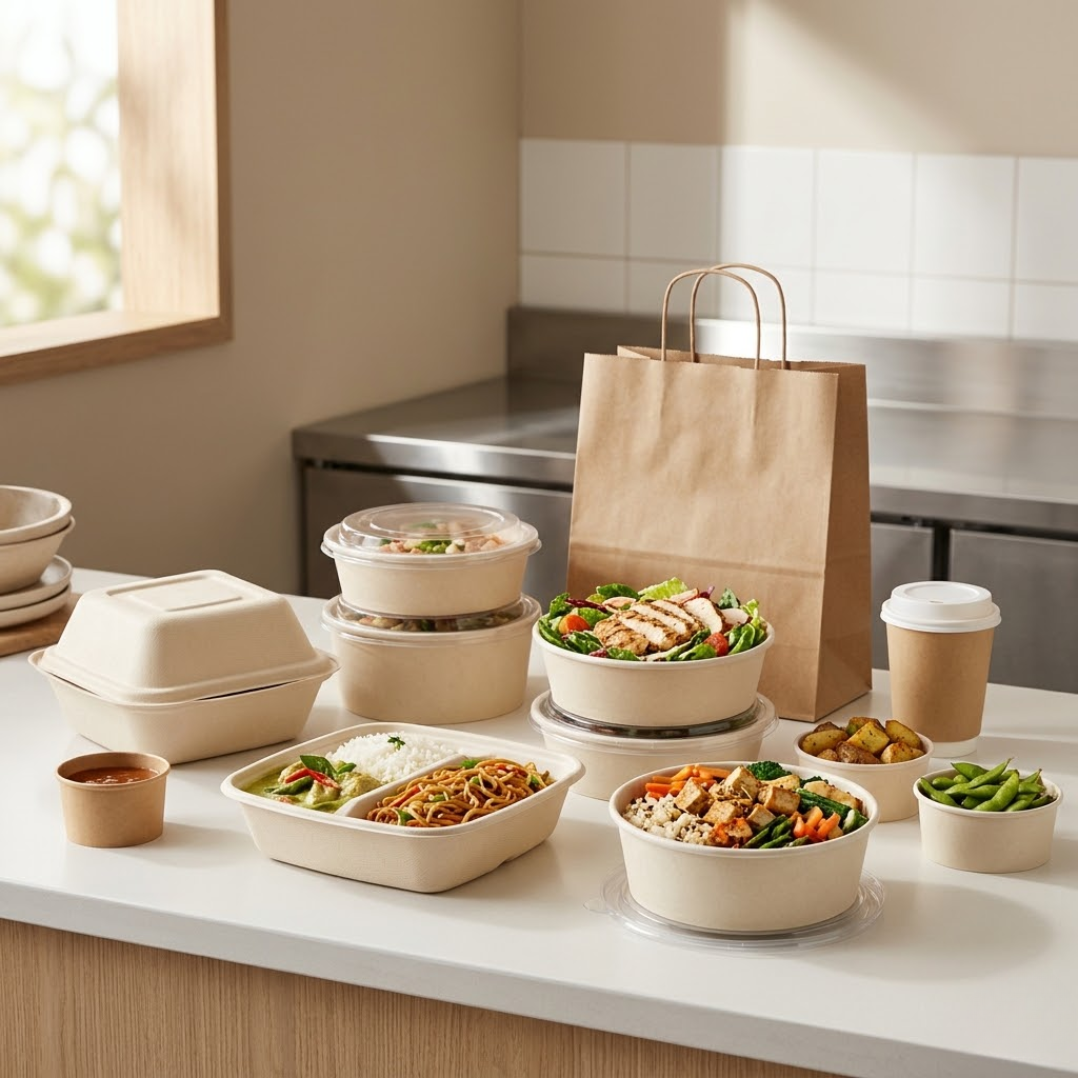
Pakio's Sugarcane range covers the full spread — from rectangle containers and clamshells through to bowls and bagasse lids, all designed to handle hot, oily, and saucy food without the soggy-bottom problem that plagues cheaper alternatives.
Best for: Fried food, curries, roasts, hot mains, catering trays, and any dish where grease and steam are working against your packaging.
Paper: Lightweight, Familiar, but Limited Under Heat and Oil
What it is: Paper-based packaging — often PE-coated, PLA-coated, or greaseproof-treated — remains one of the most widely used formats in food service because it's lightweight, familiar to customers, and typically the most cost-effective entry point into sustainable packaging.

Where Paper Performs Well
-
Sandwiches, wraps and pastries:
Low-moisture, low-oil items are exactly what paper does best. It's a natural fit for sandwich and wrap takeaway packaging and bakery counters. -
Short-duration hot holding:
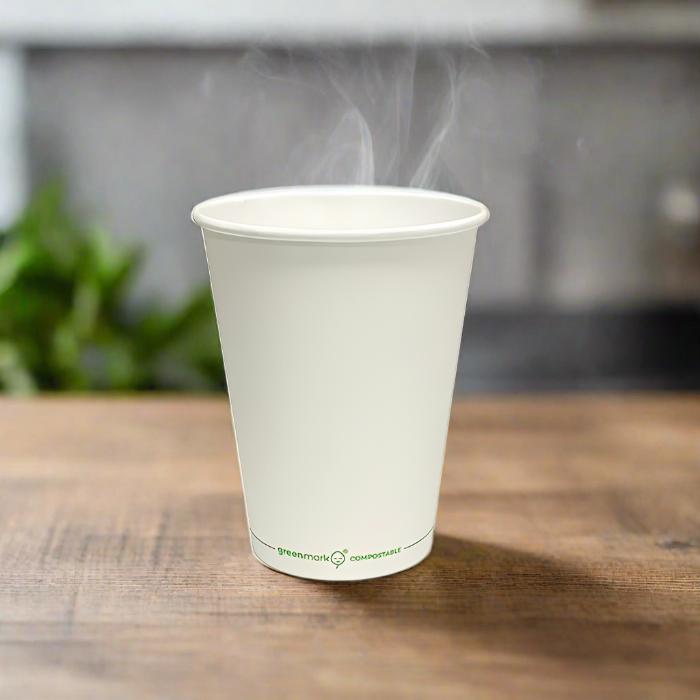
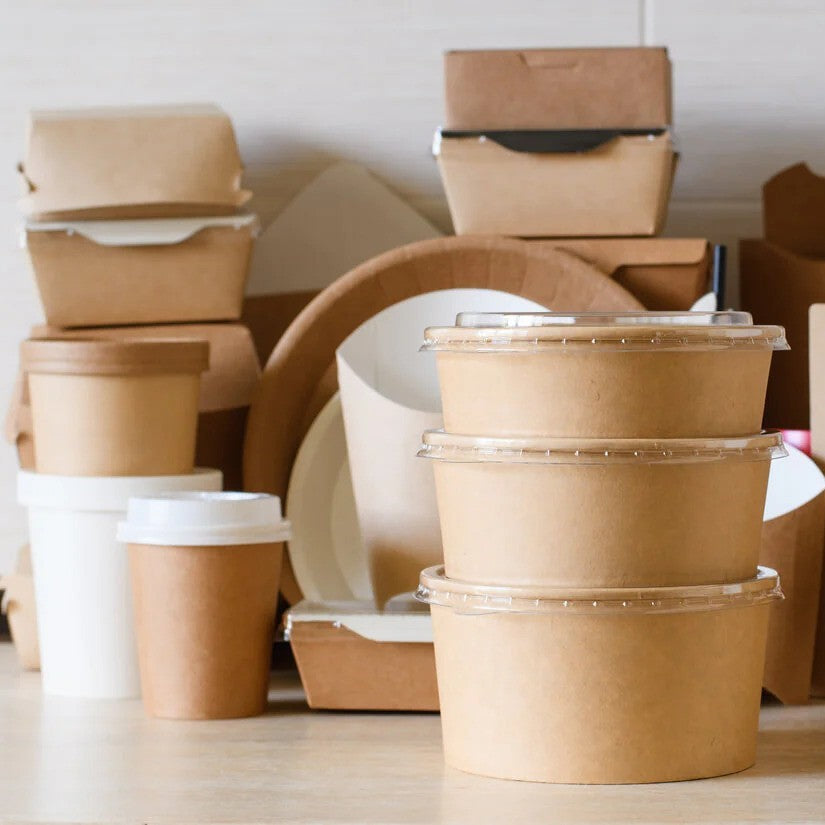
Coated paper cups and containers can handle brief exposure to heat — think coffee cups or a quick-service burger box — without a problem. Pakio's paper food containers and takeaway trays are engineered for exactly this use case. -
Cost efficiency at scale:
For businesses ordering high volumes, paper generally offers the lowest per-unit cost among sustainable materials, which matters when you're stocking up for FY27 in a single bulk order.
Where Paper Falls Short
The honest limitation: standard paper struggles with prolonged exposure to hot, oily, or high-moisture food. Without the right coating or a bagasse-lined insert, grease will wick through the fibres over time, and structural integrity weakens as steam builds up inside a sealed box — a common cause of the soggy-box complaints that plague delivery orders.
If paper is your preferred format for brand or cost reasons, look at Pakio's greaseproof paper range or pair paper trays with a paper sushi tray or food tub style container that's purpose-built for slightly wetter foods.
Best for: Sandwiches, pastries, dry snacks, bakery items, and shorter transit times.
Recyclable Plastic: Maximum Barrier Protection, With a Sustainability Trade-Off
What it is: Food-grade recyclable plastics (typically PP or rPET) remain the benchmark for leak-proof, see-through, and freezer-safe packaging.

Why Businesses Still Reach for Plastic
-
Total leak and grease resistance:
No other material comes close to plastic's barrier performance for wet, saucy, or oily food. This is why plastic remains dominant in Chinese takeaway packaging and Thai takeaway packaging, where soupy sauces and stir-fry oils would defeat paper or bagasse. -
Transparency:
Customers — and delivery apps — like to see what's inside. Pakio's clear sushi and sandwich containers and round containers let the food do the selling. -
Reusability and durability:
Recyclable plastic containers survive reheating, freezing, and repeated handling better than fibre-based alternatives, which matters for meal prep and ready-made meal packaging.
The Trade-Off
Recyclable plastic is genuinely recyclable — but only when it's correctly sorted, and only where kerbside or commercial recycling infrastructure actually processes that plastic type. It doesn't compost, and in markets increasingly sensitive to single-use plastic, businesses need to be transparent about the difference between "recyclable" and "compostable" rather than letting customers assume the two are interchangeable.
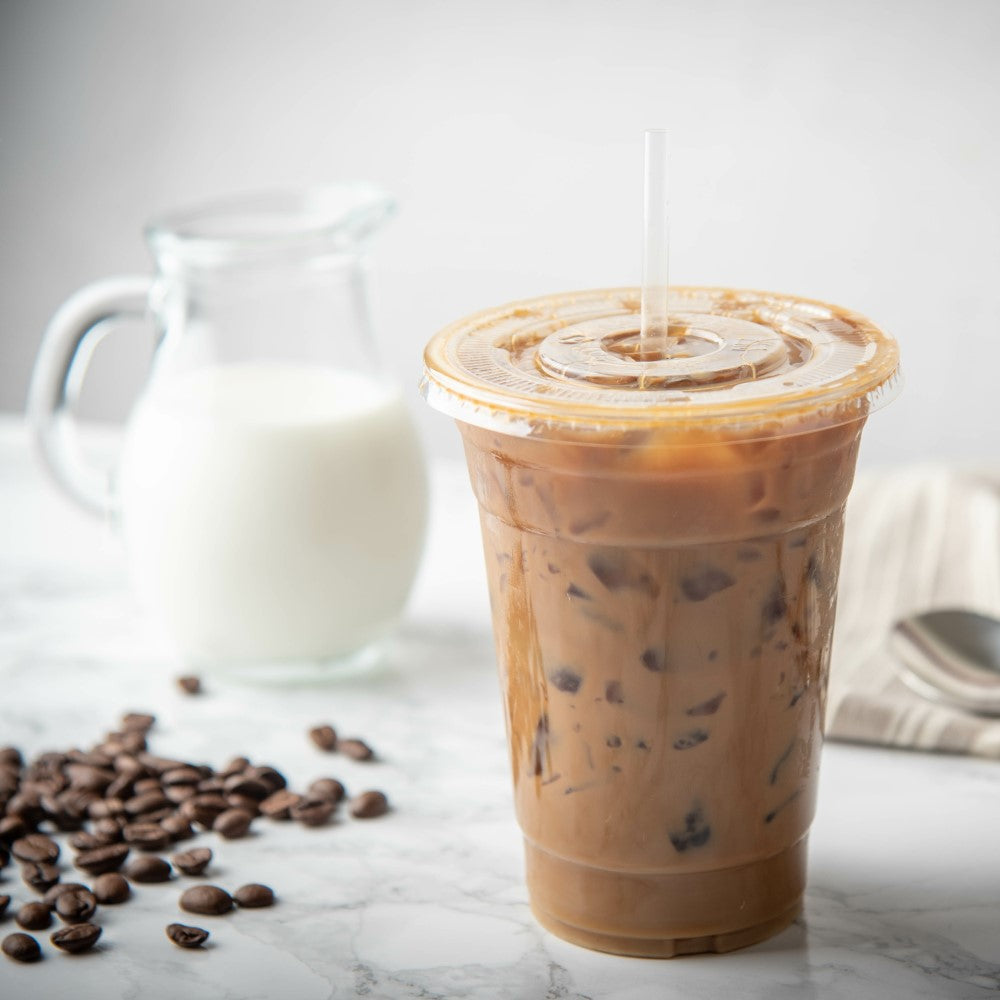
Pakio's Recyclable Plastic range is built specifically to solve the barrier-protection problem without sacrificing recyclability, including rectangular containers, noodle bowls, and sho-bowls and poke bowls.
Best for: Soups, curries, noodle dishes, sauces, and anything that needs to be seen through the lid.
Side-by-Side: Bagasse vs Paper vs Plastic for Hot & Oily Food
| Factor | Bagasse | Paper | Recyclable Plastic |
|---|---|---|---|
| Heat tolerance | Excellent | Moderate | Excellent |
| Grease/oil resistance | Very good | Fair (unless coated) | Excellent |
| Leak resistance (sauces) | Good | Poor to fair | Excellent |
| Compostability | Yes (if certified) | Sometimes | No (recyclable only) |
| Cost per unit | Mid-range | Lowest | Mid-to-high |
| Best food type | Fried, roasted, hot mains | Sandwiches, bakery, dry snacks | Soups, sauces, noodles |
For most Australian takeaway operators, the real answer isn't "pick one material forever" — it's matching the container to the dish. A guide we've published previously, How to Match Takeaway Packaging to the Food You Actually Sell, walks through this decision menu-item by menu-item.
The 5 Mistakes Businesses Make When Switching to Eco-Friendly Packaging

Whichever material you land on, how you switch to it matters just as much as what you switch to. These are the mistakes we see most often — and they're the difference between a smooth transition and an expensive one.
1. Buying Non-Certified "Eco" Products
Not every product labelled "biodegradable" or "eco-friendly" on a listing page actually meets a recognised Australian or international composting standard. Without certification such as AS 4736 (industrial compostable) or equivalent, you can't guarantee the product breaks down the way it claims to — which exposes your business to greenwashing accusations if a customer or regulator checks. Always confirm certification before committing to a supplier.
2. Mixing Plastics Within the Same Packaging System
Combining a compostable bagasse base with a conventional plastic lid — or vice versa — creates a container that can't be composted or recycled cleanly as a unit. This single mismatch undermines the entire sustainability claim of the product. Match your lids to your bases consistently: bagasse with bagasse lids, paper with paper-compatible lids, and recyclable plastic with matching plastic lids.
3. Wrong Lid Combinations
Beyond material mismatches, using an ill-fitting lid — one that doesn't seal properly against a particular container's rim — is one of the most common (and most avoidable) causes of leaks and spills during delivery. Always source lids and bases as a matched system rather than mixing generic third-party components, and check fit before placing a bulk order.
4. Poor Customer Instructions
If your packaging is compostable, but your customers don't know that — or don't know where to compost it — the sustainability benefit is lost the moment it hits a general waste bin. Clear on-pack messaging, simple disposal icons, or even a short line on your receipt ("This container is commercially compostable") closes that gap and reinforces your brand's environmental credentials.
5. Prioritising Price Over Lifecycle Cost
The cheapest container per unit isn't always the cheapest option overall. A flimsy container that leaks, collapses, or triggers a refund costs more in lost stock, reshipped orders, and damaged reputation than the few cents saved at checkout. Factor in failure rate, customer complaints, and brand impact — not just the invoice price — when comparing suppliers.
For a deeper look at these pitfalls, see our full breakdown: The 5 Biggest Mistakes Businesses Make When Switching to Eco-Friendly Packaging in Australia.
How to Choose the Right Certified Packaging for Your Menu
Rather than picking a material based on trend or price alone, work through this simple framework:
-
Audit your menu by moisture and heat level.
Fried and roasted mains need bagasse or plastic. Dry snacks and sandwiches suit paper. Saucy, soupy dishes need plastic or a well-lidded bagasse bowl. -
Check for genuine certification.
Ask suppliers for compostability or recyclability certification documentation — don't take a product listing's word for it. -
Match lids and bases as a system.
Never mix material types within one container assembly. -
Communicate disposal clearly to customers.
A small on-pack note prevents confusion and reinforces your sustainability credentials. -
Think total cost of ownership,
not just unit price — factor in leak rates, complaint volume, and how the packaging reflects on your brand.
If you're unsure where to start, Pakio's Eco-Friendly Takeaway Packaging collection groups certified sugarcane, paper, and recyclable plastic options by use case, and our team can help you match containers to your specific menu — including custom-branded options through our Custom Design service and the BioPak certified range.
Why Pakio for Certified Eco-Friendly Packaging Australia-Wide

Pakio supplies Australian cafés, restaurants, caterers, and food trucks with certified sugarcane, paper, and recyclable plastic packaging — all backed by transparent certification, matched lid-and-base systems, and bulk wholesale pricing that makes the switch to sustainable packaging financially sensible, not just ethically appealing.
Whether you're running a fish and chip shop needing grease-proof bagasse clamshells, a noodle bar needing leak-proof plastic bowls, or a café needing a full everyday food & drink packaging solution, our range is built around real-world performance — not just a green label.
Explore our full Food Packaging collection to find certified containers matched to exactly what you serve.
Frequently Asked Questions
Q: Is bagasse packaging safe for hot, oily food?A: Yes. Bagasse's dense, moulded fibre structure gives it strong grease and heat resistance, making it one of the best-performing sustainable materials for fried, roasted, and hot main-meal packaging.
Q: Can paper containers handle greasy or saucy food? A: Standard paper struggles with sustained grease or moisture exposure unless it's specifically coated or greaseproof-treated. For anything beyond short-duration hot holding, bagasse or recyclable plastic is a more reliable choice.
Q: Is recyclable plastic packaging still considered eco-friendly? A: Recyclable plastic is a legitimate sustainability option when it's genuinely recycled through the correct waste stream, and it offers barrier protection that fibre-based materials can't always match — particularly for sauces and soups. It isn't compostable, so it's important not to market it as such.
Q: What certification should I look for in compostable packaging? A: Look for recognised Australian compostability certification (such as AS 4736 for industrial composting) rather than relying on general marketing terms like "eco" or "green," which aren't independently verified.
Q: What's the biggest mistake businesses make when switching to sustainable packaging? A: Mixing incompatible materials — such as a compostable base with a conventional plastic lid — which undermines the entire sustainability claim and can confuse customers about how to dispose of the packaging correctly.
Q: Can I mix bagasse, paper, and plastic across my menu? A: Yes, and it's often the smartest approach. Match each container to the specific food type — bagasse for hot fried food, paper for dry items, and recyclable plastic for sauces and soups — rather than committing your entire menu to a single material.