


1 July is day one of the new Australian financial year. For most cafes and takeaway shops, the date means two things — settling the previous year’s accounts with the accountant, and rebuilding the budget for the next 12 months across staff, rent, beans, milk, cleaning, and packaging.
Packaging usually sits between 8 and 15 per cent of a cafe’s total costs. The headline percentage looks small, but the SKU count is high, the order frequency is constant, the storage footprint is real, and the wastage rate is non-trivial. Run a year by topping up one SKU at a time, and the actual packaging spend typically ends up 20 to 30 per cent higher than a year run on “decide the SKUs and lock the bulk orders”.
This article gives cafe owners and procurement managers a 12-month packaging strategy for the FY27 opening — broken down across seasonal SKUs, single versus double wall, bulk versus JIT, AS 4736 and AS 5810 compostability, and cash flow timing. The aim: by end of July you should have the year’s primary SKUs locked, with “top-up purchasing” reduced to a handful of seasonal items.
Step 1: Map Your Full SKU Matrix and Split It Into Three Bands
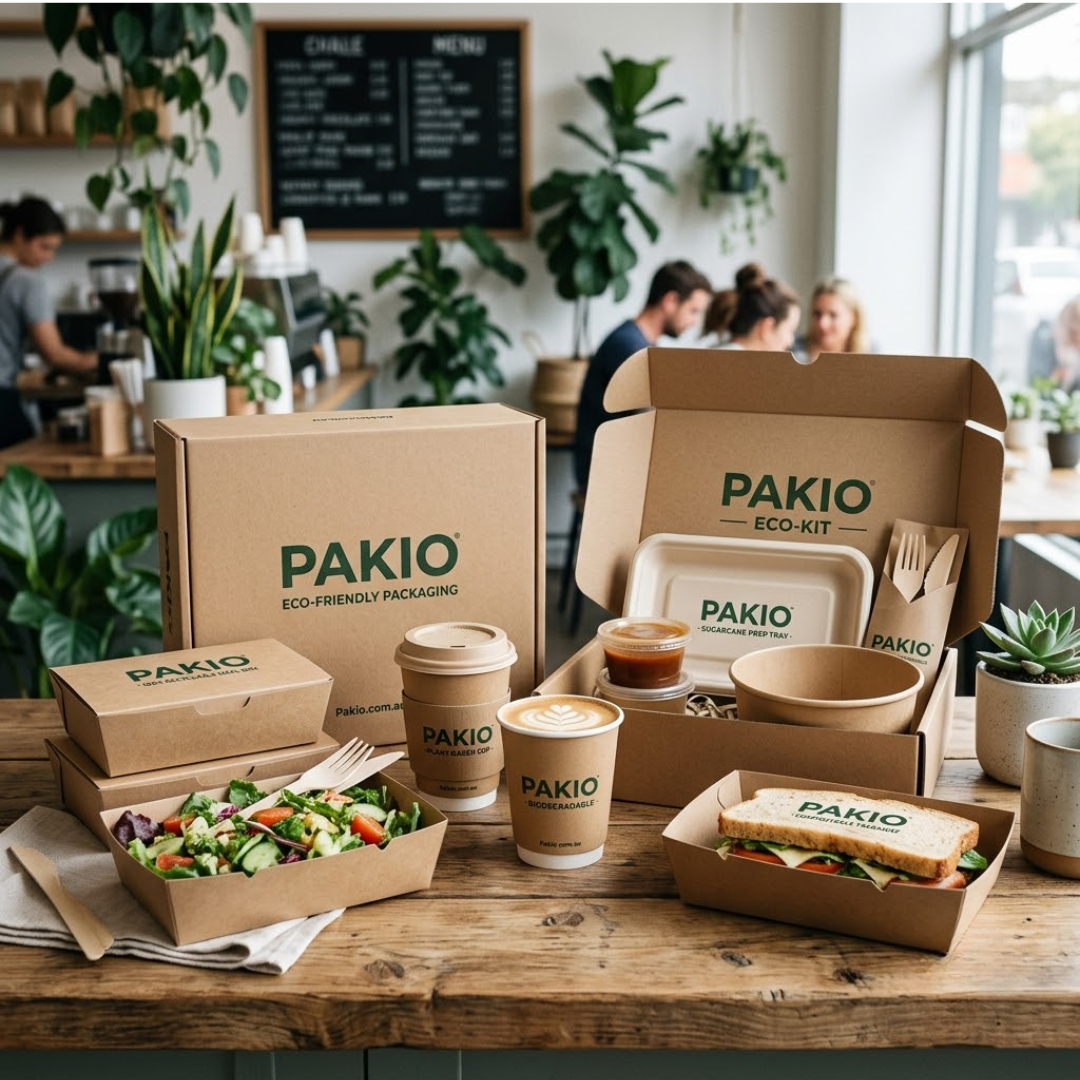
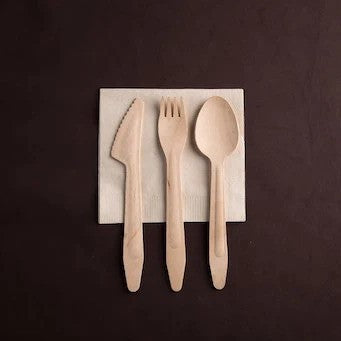
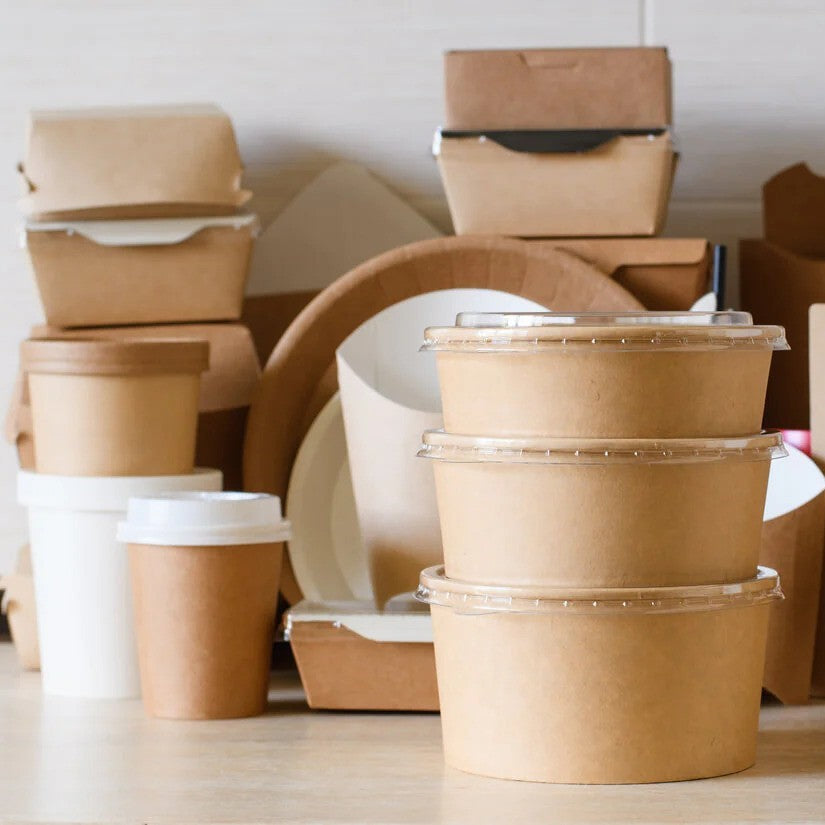
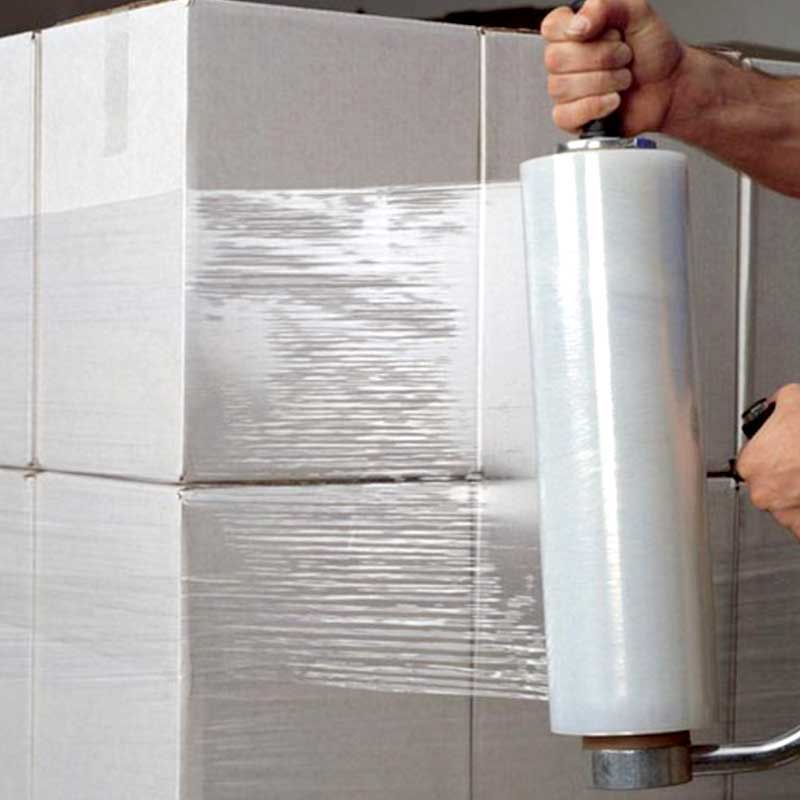
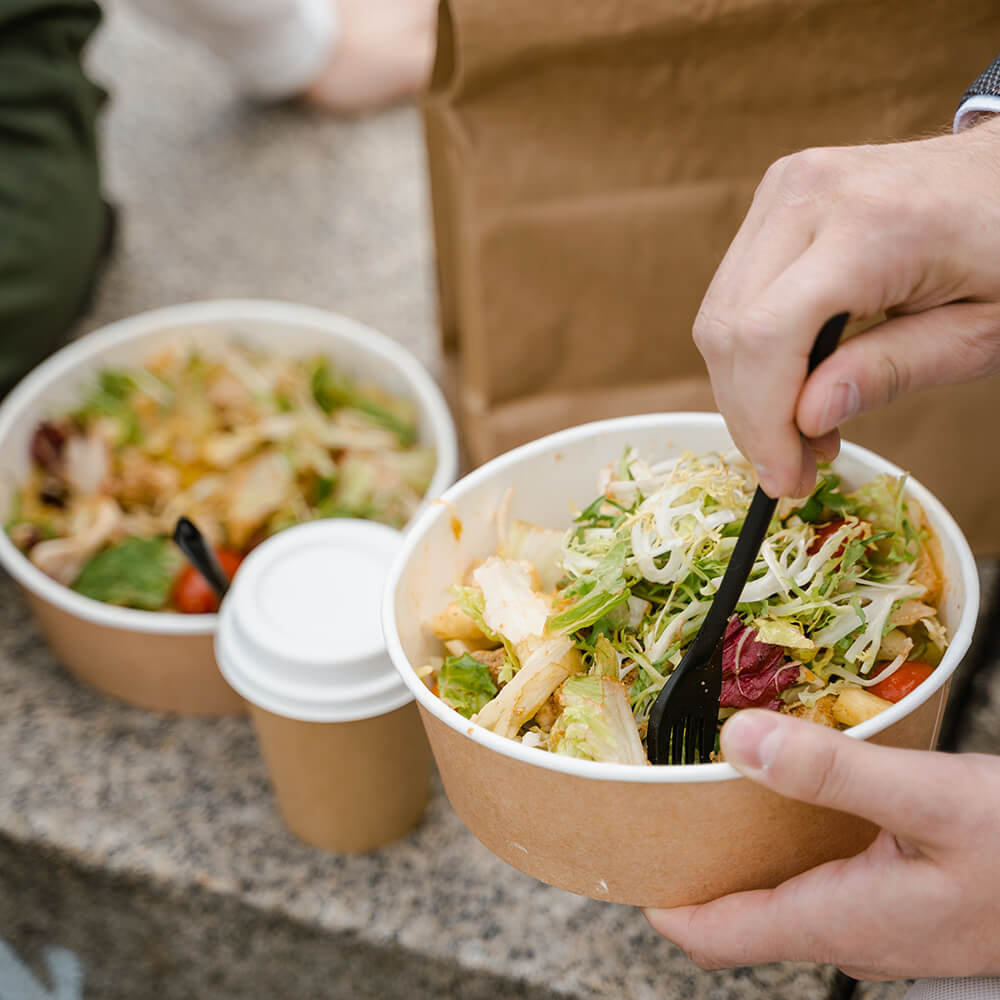
A cafe’s packaging is more than cups and lids. A typical Australian cafe carries 30 to 50 SKUs once you map it out — split roughly into hot drinks (single wall, double wall, lids, sleeves), cold drinks (PET cups, cold lids, paper straws), takeaway (kraft food tubs, paper bags, pizza boxes), bakery (cake boards, baguette bags, pastry boxes, twine), ancillaries (napkins, wooden cutlery, sugar tubes), and back-of-house (cling film, bin bags).
The first step at the FY27 opening is sorting those 30 to 50 SKUs into three usage bands:
Band A (year-round, high frequency): 12 oz / 16 oz single wall coffee cups, matching lids, standard napkins, sugar tubes. Daily-use SKUs with minimal seasonal swing.
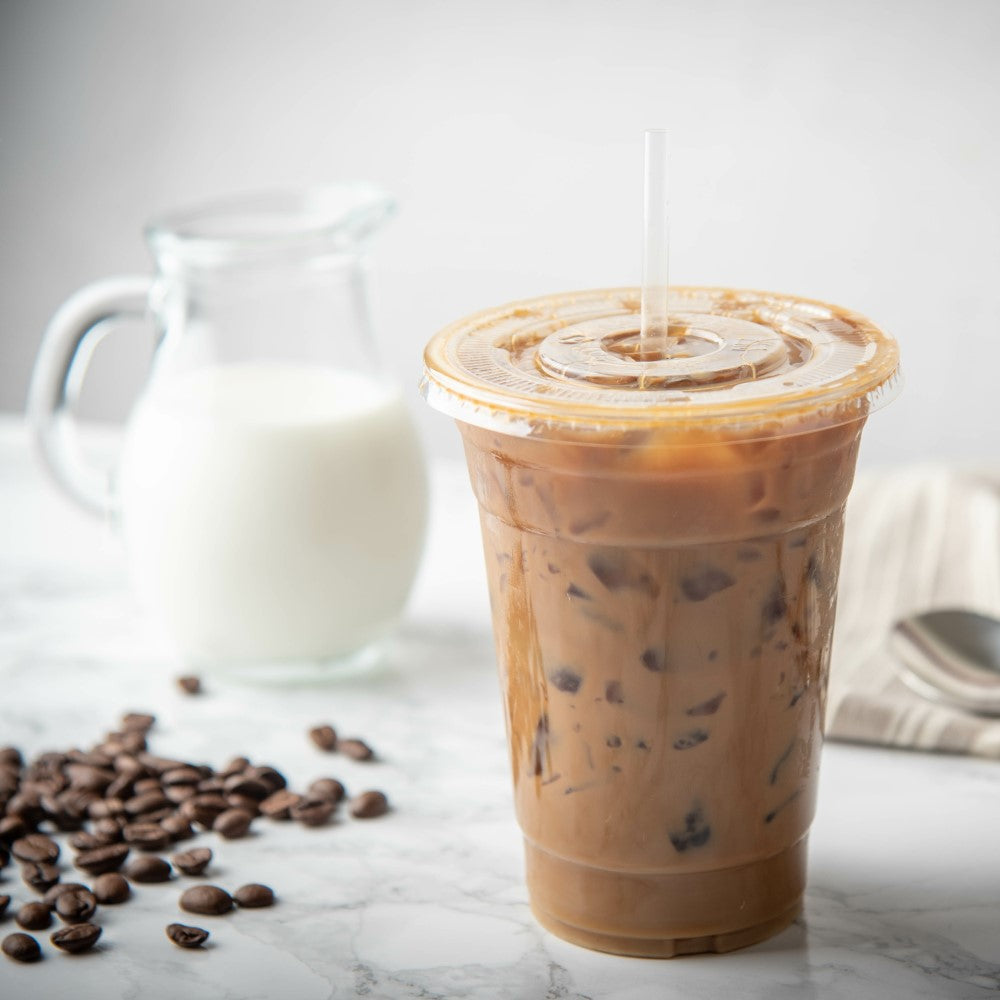
Band B (seasonal): 8 oz / 12 oz double wall cups for April-September winter and morning peaks, 16 oz / 20 oz PET cold cups for October-March summer, takeaway lunch boxes for spring-autumn takeaway uplift.
Band C (holiday / event): Christmas-themed cups, festive paper bags, Easter gift boxes, Mother’s Day pairing, Valentine’s-themed cups — sold only within a defined window.
Band A goes through bulk purchase locking in 6 to 9 months of usage. Band B splits into two seasonal locks (early April for the 6-month winter run, early October for the 6-month summer run). Band C is ordered 6 to 8 weeks ahead of each holiday and not held in stock past the date.
Get this classification right, and the cafe makes 4 to 5 bulk decisions a year (one Band A, two Band B, ad-hoc Band C) instead of topping up every fortnight.
Step 2: Single Wall vs Double Wall vs Aqueous Coated — Decide By Season
The hot drink cup specification is the FY27 opening choice most worth revisiting.
Single wall coffee cups are the lowest per-unit cost and suit iced coffee and “drink immediately, sleeve added on takeaway” service. Dine-in and immediate-takeaway use cases default to single wall in most Australian cafes.
Double wall coffee cups cost roughly 50 to 80 per cent more per unit, but the offset is the eliminated sleeve and the “the cup is too hot to hold” customer complaint. For the April-September winter window, morning peaks, and longer-distance takeaway, double wall is the cleaner specification — staff skip the per-cup sleeving step, and the sleeve cost plus the assembly time saved usually offsets the cup price difference.
Aqueous coated single wall and PLA coated single wall are the eco lines — the former uses a water-based coating in place of PE, the latter uses a PLA coating. Both run slightly above traditional PE coated cups, but for cafes with an eco positioning, or operating in a council area where single-use plastics are already restricted, they are the compliance and brand-consistency choice.
FY27 default: Band A holds single wall 8/12/16 oz year-round, Band B adds double wall 12/16 oz through winter, Band C may switch to Aqueous or PLA for eco campaign weeks.
Specific SKU layouts can be cross-checked against the coffee takeaway packaging collection and sized against actual store traffic.
Step 3: Compostable and Biodegradable Compliance — AS 4736 and AS 5810
“Compostable” and “biodegradable” are tightly defined in the Australian market — not marketing words you can use loosely.
AS 4736 is the industrial compostability standard — the product breaks down by at least 90 per cent within 180 days under industrial composting conditions (high temperature, controlled atmosphere). Most “compostable coffee cups” carry this standard.
AS 5810 is the home compostability standard — stricter, requiring the same 90 per cent breakdown within 180 days under home composting conditions (lower temperature, uncontrolled). Far fewer products meet AS 5810.
The ACCC has visibly tightened its enforcement of greenwashing over recent years. A cafe putting “we use compostable cups” on the menu, in-store signage or social media needs to be able to produce the relevant certification supplied by the manufacturer. A leaf icon on the cup, or a supplier saying “it’s eco”, without a specific AS 4736 or AS 5810 certificate number is a marketing claim that carries enforcement risk.
For FY27, the practical step is for cafe owners to actively request the certification number for each eco SKU from the supplier. Suppliers asked for it become more diligent about providing it. Suppliers who haven’t been asked may simply be repeating industry-standard language in their product copy. BioPak and similar named brands carry relatively complete certification files; brand-name usage should follow that brand’s official guidelines.
Step 4: The Bulk vs JIT Cash Flow Trade-Off

In theory bulk purchasing wins on per-unit price (the per-thousand bulk price typically runs 15 to 30 per cent cheaper than small-batch). In practice, bulk is not automatically the right call.
Hidden costs of bulk include: storage footprint in the shop or warehouse (rent on the floor area), cash flow tied up (the full purchase paid up front), shelf-life risk (PLA lines soften in hot humid storage past 12 months), and design lock-in risk (any branding or design adjustment writes off old stock).
Hidden costs of JIT (top-up purchasing) include: higher per-unit price, freight per order (where the order doesn’t hit free-shipping threshold), stockout risk, and the time cost of repeated procurement conversations.
For a typical mid-size cafe (200 to 400 cups per day), the reasonable strategy is: Band A high-frequency core SKUs on a 6-month bulk cadence (capturing the bulk price without over-committing cash), Band B seasonal on a 3-month bulk (one full season), Band C holiday on per-event order.
A few negotiation points for the bulk order: split shipment (one order, 2-3 staged deliveries to ease storage pressure), staged payment (deposit + mid + balance to ease cash flow), and unit-price-locked-but-SKU-flexible terms (let the SKU mix flex within the same dollar total).
Pakio’s 1,664-SKU range is wide enough that a cafe can run most of a year’s purchasing through a single supplier — which removes the time cost of reconciling invoices, freight schedules and ETA windows across multiple vendors.
Step 5: FY27 Cash Flow — Packaging Is Operating Expense, Not Depreciable Asset
A point worth being explicit about: packaging in accounting terms is operating expense or inventory, not a depreciable asset.
Why call this out? Because every new financial year, some “business advice” tries to bundle packaging into the “$20,000 instant-asset write-off” — which is incorrect. The $20,000 instant-asset write-off (regardless of whether the policy is in force in a given year, and at what threshold) applies to eligible depreciable assets (plant, equipment, furniture). It does not apply to consumable packaging.
The tax treatment of packaging is: recorded as operating expense or inventory at purchase, and deducted through cost of goods sold (COGS) on use. The cash flow and tax implications of locking in 12 months of bulk packaging should be discussed with your registered accountant (CA / CPA) against your specific business circumstances.
We are not writing the “how to file your tax” line — that is the accountant’s job. But cafe owners building the FY27 packaging budget should not classify packaging spend as an asset eligible for instant write-off, or the annual report classification ends up wrong and the accountant has to correct it later.
The FY27 12-Month Action Calendar
The following calendar copies cleanly into a conversation with the cafe team.
July (FY27 opening): audit actual usage from the prior year, classify SKUs into A/B/C bands, place the first 6-month bulk for Band A, confirm packaging tax treatment with the accountant.
August-September (back half of winter): top up Band B winter SKUs (double wall) on a 3-month order, monitor Band A stock.
October (summer prep): place the first 3-month bulk for Band B summer SKUs (PET cold cups, paper straws), pre-order Band C Christmas SKUs (6-8 weeks lead time).
November-December (summer plus Christmas peak): place the second 6-month bulk for Band A, review actual Christmas SKU usage to inform next year.
January-March (back half of summer plus school holidays peak): second top-up for Band B summer SKUs, review eco line SKU performance (Aqueous Coated / PLA / Bagasse).
April (FY27 Q3): restart Band B winter SKUs with first 3-month bulk.
May-June (FY27 wind-down): audit full-year actual usage as the base data for FY28 budget, third top-up for Band A or first switch into the FY28 plan.
Once the cadence is in place, a year of cafe procurement conversation compresses from “every fortnight” to “quarterly large orders plus event top-ups”. What gets saved is not just the packaging cost — it’s the store manager’s and the procurement officer’s attention.
One Sentence For FY27
Packaging is rarely the biggest line item in a cafe’s cost base — but it is one of the few cost items where “thinking a week earlier” reliably saves 20 to 30 per cent. The 2-3 hours spent at the FY27 opening building the SKU classification and the 12-month cadence may be the highest-return time investment of the new financial year.
For specific SKU pairings, eco certification documents, and bulk pricing, contact Pakio — the 1,664-SKU range covers the year-round core of a typical cafe’s purchasing. For tax treatment and accounting classification, consult your registered accountant.
The purchasing strategy and stocking cadence in this article are based on typical mid-size Australian cafe operations; specific SKU selection, bulk pricing and eco certification documents should be confirmed against each supplier’s published specifications and certification for the current year. Eco language (compostable / biodegradable) compliance follows AS 4736 / AS 5810 and the latest ACCC environmental claims guidance.