

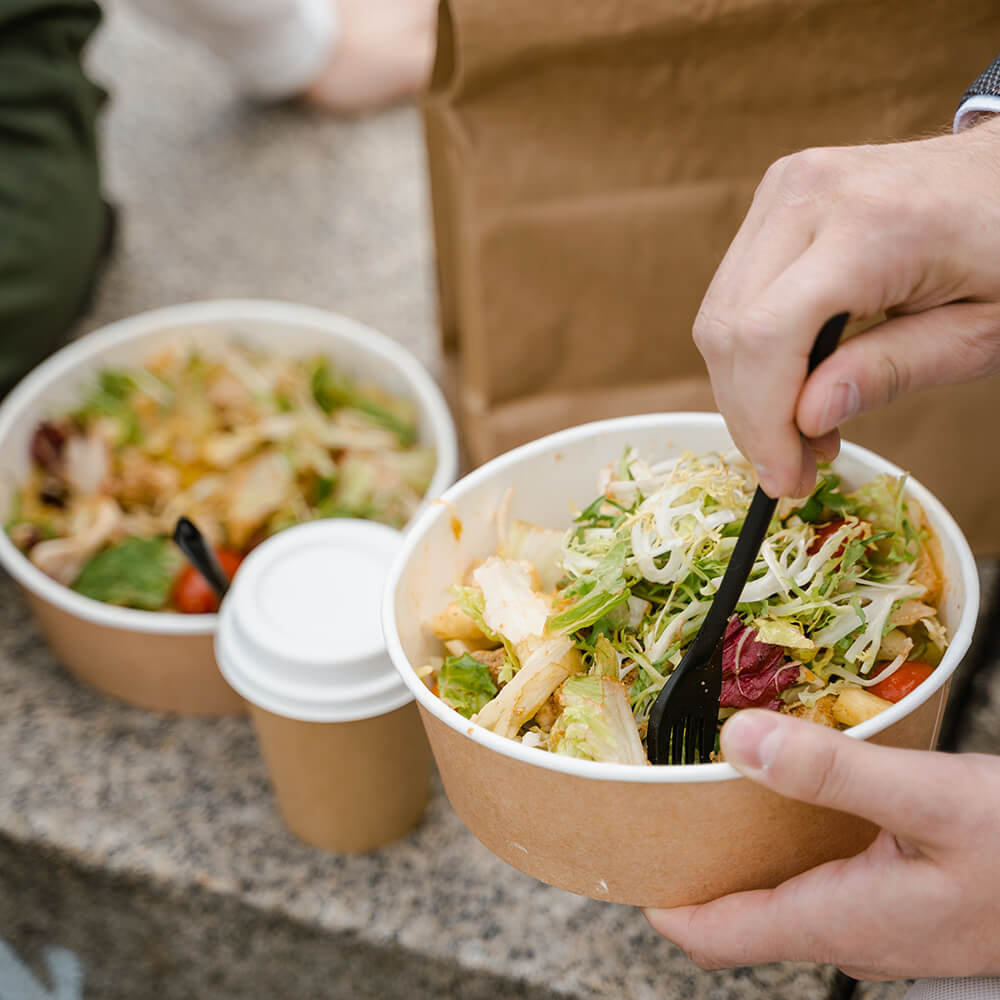

Going green with your packaging sounds simple — swap the plastic for something "compostable," slap on a leaf logo, and you're done. In reality, eco-friendly packaging in Australia is one of the most misunderstood corners of running a food, retail, or hospitality business, and it's littered with expensive, reputation-damaging traps.
Every week, Australian cafés, restaurants, retailers, and food producers make the switch to sustainable packaging with good intentions — only to discover their "eco" containers aren't actually certified, their compostable cup doesn't match their compostable lid, or their customers are throwing everything in the wrong bin anyway. The result? Wasted budget, greenwashing complaints, and packaging that fails at the one job it had: protecting the product and the planet.
As Australia's fastest-growing packaging marketplace, Pakio works with hundreds of hospitality and food businesses navigating this exact transition. In this guide, we break down the five biggest mistakes businesses make when moving to sustainable and biodegradable packaging Australia-wide — and show you exactly how to avoid them using certified, fit-for-purpose alternatives.
Mistake #1: Buying Non-Certified "Eco-Friendly" Products
This is, without question, the costliest mistake on this list — and the most common.
Words like "eco-friendly," "green," "biodegradable," and "compostable" are not legally protected terms in Australia the way "organic" is for food. That means any supplier can print "eco-friendly" on a box of plastic cups without a single third-party test to back it up. If you're buying packaging based on marketing language alone, you may be unknowingly participating in greenwashing — a practice the ACCC has actively cracked down on in recent years.
Why certification actually matters
Genuine sustainable packaging should carry recognised certification marks, such as:
- AS 4736 – Compostable packaging suitable for industrial composting
- AS 5810 – Home compostable packaging standards
BPI (Biodegradable Products Institute) certification
- FSC (Forest Stewardship Council) certification for paper and board
Without these, you have no verified proof your packaging will break down the way you're telling customers it will. This isn't just a sustainability issue — it's a legal and brand-risk issue.
The fix: Only buy from suppliers who can show you the certification number, not just the logo. Pakio's BioPak Packaging range is built specifically around certified compostable materials, and our guide on what AS 4736 and AS 5810 actually mean for your café breaks down exactly what to look for before you buy.
Expert tip: If a supplier can't tell you which lab tested their compostability claims, treat that as a red flag — not a technicality.
Mistake #2: Mixing Incompatible Plastics and Materials
Here's a mistake that looks eco-friendly on paper but actively sabotages recycling and composting systems: mixing material types within the same product line or packaging system.
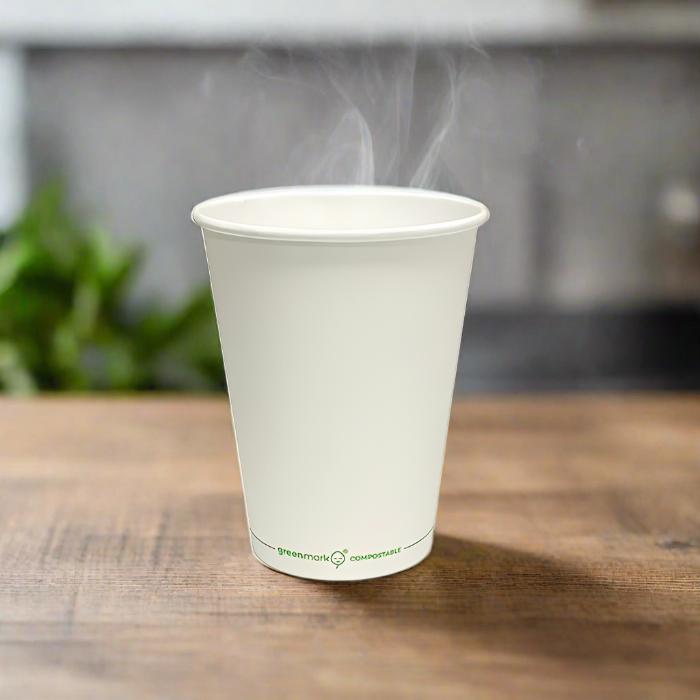
A classic example: pairing a PLA-lined cup (which is compostable but NOT recyclable in standard kerbside streams) with a PET lid (which is recyclable but NOT compostable). Customers can't tell the difference between these materials just by looking at them, so they end up in whichever bin looks right — usually the wrong one. Multiply that across thousands of transactions, and your "sustainable" packaging system is actually contaminating both recycling and composting waste streams.
Common material mismatch mistakes
- Combining PE-coated paper (landfill-bound) with compostable inserts, creating a product that's neither
- Using recyclable rPET containers with non-recyclable film lids
- Mixing bagasse (sugarcane) bowls with plastic-coated napkins or wraps that can't be composted together
The fix: Standardise on one material philosophy per product line. If you're going compostable, commit to it across cups, lids, straws, and containers. Pakio's PLA Coated Double Wall Coffee Cups and CPLA Lids are engineered as a matched compostable system, while our Recyclable Plastic Food Packaging range is designed for businesses prioritising kerbside recyclability instead. Pick a lane — and keep every component in that lane consistent.

Mistake #3: Choosing the Wrong Lid Combinations
This mistake sounds small, but it's one of the most frequent product failures Pakio sees reported by cafés and food retailers switching to sustainable packaging.
Not every lid fits every cup — and not every "compostable" lid is actually compatible with a compostable cup's rim diameter, wall thickness, or heat tolerance. A CPLA lid designed for a PLA-lined single wall cup may not seal properly on a different cup brand's rim profile, leading to spills, leaks, and unhappy customers. Worse, some businesses mix a compostable cup with a conventional plastic lid, which defeats the entire purpose of the switch while confusing customers about what actually goes in the compost bin.
How to get lid pairing right
| Cup Type | Correct Lid | Why It Matters |
|---|---|---|
| PLA Coated Cup | CPLA Lid | Matches compostability and heat tolerance |
| PE Coated Cup | PET Lid | Standard recyclable pairing |
| Aqueous Coated Cup | Bagasse Lid | Fully compostable, moisture-resistant seal |
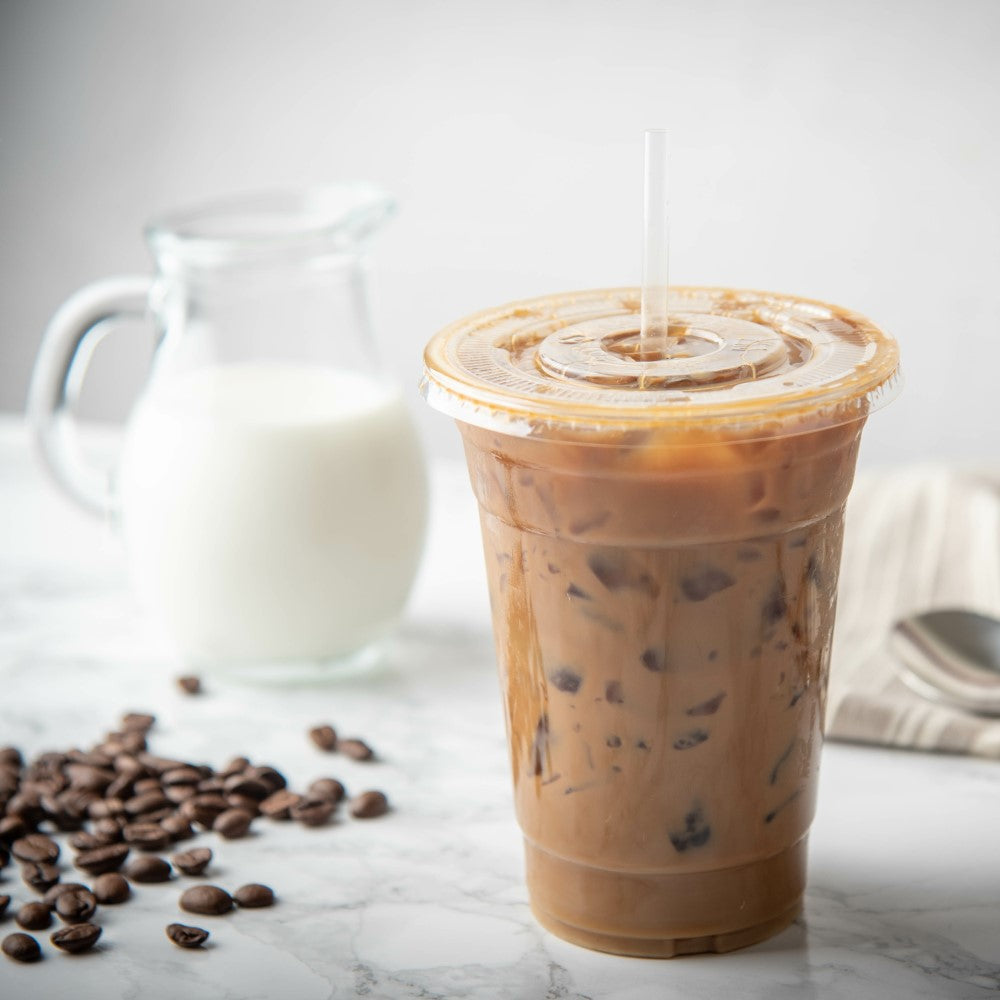
| Cold Drink Cup | Cold Cup Lid | Correct dome fit prevents leaks |
The fix: Always buy cups and lids as a matched system from the same supplier line, and test the seal before committing to bulk stock. Pakio's Coffee Cup Lids & Stoppers collection is organised by material type — PET Lids, Spout Lids, CPLA Lids, and Bagasse Lids — so you can quickly match the right lid to the right cup without guesswork. For cold beverages, our Cold Cup Lids are sized specifically for the Cold Drink Cups range.

Mistake #4: Poor Customer Instructions (The Disposal Gap)
You can buy the most certified, best-engineered compostable packaging on the market — and it will still end up in landfill if your customers don't know what to do with it.
This is what industry experts call the "disposal gap": the space between what your packaging can do and what actually happens to it after your customer walks away. Studies consistently show that most consumers cannot visually distinguish compostable packaging from conventional plastic. Without clear signage, printed instructions, or in-store bins, even perfectly certified packaging gets contaminated in general waste or recycling streams — undermining your sustainability investment entirely.
Simple ways to close the disposal gap
- Print clear "Compostable — Industrial Composting Only" or "Home Compostable" labelling directly on cups, bags, and containers
- Add signage near bins explaining what goes where
- Train front-of-house staff to answer disposal questions confidently
- Use visually distinct packaging (e.g., kraft brown for compostable lines) so customers build a mental shortcut
The fix: Treat customer education as part of your packaging rollout, not an afterthought. Pakio's Custom Design Packaging service lets you print compostability instructions and certification logos directly onto your Custom Coffee Cups, Custom Takeaway Bags, or Custom Snack Boxes — turning your packaging into a communication tool, not just a container.

Mistake #5: Prioritising Price Over Lifecycle Cost
The final — and perhaps most strategic — mistake is judging packaging purely on unit price rather than total lifecycle value.
A cheaper, non-certified container might save a few cents per unit on paper, but if it fails during transit, leaks in front of a customer, gets rejected by your composting service, or triggers a greenwashing complaint, the real cost is far higher than the invoice suggests. Lifecycle cost includes:
- Product failure rate (leaks, tears, lid failures)
- Waste stream compatibility (does your commercial composter actually accept it?)
- Brand and reputational risk (customer trust in your sustainability claims)
- Regulatory risk (state-based single-use plastic bans and ACCC scrutiny)
- Freight and storage efficiency (stackability, weight, bulk pricing)
A smarter way to evaluate packaging cost
Rather than comparing packaging line-by-line on price, Australian businesses are increasingly evaluating suppliers on total cost of ownership — bulk wholesale pricing, delivery reliability, and product consistency, all bundled together. This is where working with a single, trusted supplier with deep SKU range pays off, rather than juggling multiple vendors chasing the lowest unit price on each item.
The fix: Build a relationship with a supplier who can offer certified quality at scale. Pakio's Wholesale Program gives Australian food and hospitality businesses access to bulk pricing across more than 3,000 SKUs — from Eco-Friendly Takeaway Packaging to Sugarcane Bowls — with next business day delivery to the Melbourne Metro area, reducing both cost per unit and the risk of costly stock-outs.

How to Switch to Eco-Friendly Packaging the Right Way
Avoiding these five mistakes comes down to one principle: treat your packaging switch as a system decision, not a product swap.
- Verify certification before you buy — ask for the AS 4736, AS 5810, BPI, or FSC documentation.
- Standardise your materials — don't mix compostable and recyclable components in the same line.
- Match your lids to your cups — buy them as a system, not separately.
- Educate your customers — clear labelling closes the disposal gap.
- Evaluate lifecycle cost, not just sticker price — factor in failure rate, compliance, and brand trust.
Businesses that follow this checklist consistently report smoother transitions, fewer customer complaints, and genuine sustainability outcomes rather than surface-level "greenwashed" packaging.

Why Australian Businesses Choose Pakio's Certified Eco-Friendly Packaging
Pakio was built to remove the guesswork from sustainable packaging. As a 100% Aussie-owned supplier, every certified product we stock is chosen with Australian composting infrastructure, recycling standards, and regulatory requirements in mind — not generic overseas claims.
Here's where to start, depending on your business:
- Cafés and coffee shops: Explore our matched PLA Coated Double Wall Coffee Cups and CPLA Lids system, or browse Café Takeaway Packaging for a full solution.
- Restaurants and takeaway businesses: Our BioPak Packaging range and Sugarcane Takeaway Containers offer certified compostable options without compromising on durability.
- Retailers and producers: The Eco-Friendly Paper Bags and Recyclable Plastic Food Packaging collections give you flexibility between compostable and recyclable strategies.
- Growing businesses ready to scale: Join our Wholesale Program for bulk pricing across our full certified range.
Not sure where your current packaging stands? Our team can review your existing setup and flag any certification, material-mismatch, or lid-compatibility issues before they become customer-facing problems. Contact the Pakio team or call 1300 362 158 to get started.

Frequently Asked Questions
What does "certified compostable packaging" actually mean in Australia?
Certified compostable packaging has been independently tested against recognised Australian Standards — primarily AS 4736 (industrial composting) or AS 5810 (home composting) — to confirm it breaks down within a set timeframe without leaving toxic residue. Packaging without this certification may claim to be "biodegradable" or "eco-friendly" without any verified proof, which is a key driver of greenwashing complaints in Australia.
Can I mix compostable and recyclable packaging in the same order?
Technically yes, but it's not recommended as a long-term strategy. Mixing material types (for example, a compostable cup with a recyclable plastic lid) creates confusion for customers and increases the risk of contamination in both composting and recycling streams. It's best practice to standardise your packaging system around one disposal pathway per product line.
Why do compostable lids sometimes not fit compostable cups properly?
Lid-to-cup compatibility depends on precise rim diameter, wall thickness, and material flexibility. Even two "compostable" products from different suppliers may not seal correctly if they weren't engineered as a matched system. Always source cups and lids from the same product line to guarantee a secure, leak-proof fit.
Is eco-friendly packaging more expensive than traditional plastic packaging?
Unit-for-unit, some certified sustainable packaging can carry a modest price premium. However, when you account for lifecycle costs — including reduced product failure, regulatory compliance, and brand trust — many businesses find that certified packaging, purchased through a wholesale program, is cost-competitive with traditional plastic over time.
How can I tell if my customers actually understand how to dispose of my packaging?
The simplest way is direct observation: check your bins after service hours for contamination, or briefly survey customers at the counter. If compostable items are ending up in general waste or recycling, it's a sign your labelling and in-store signage need to be clearer and more visible.
Ready to make the switch without the guesswork? Explore Pakio's certified Eco-Friendly Takeaway Packaging collection, or speak to our team about a packaging audit tailored to your business.