


Most takeaway complaints that look like a kitchen problem are actually a packaging problem. The pasta arrives lukewarm with sauce down the side of the bag. The chips that were perfect at 12:04 are limp by 12:20. The salad looks tired because nobody can see it.
None of that is the chef's fault. It's the container.
Here's how to match your packaging to what you actually sell — dish by dish — so food arrives the way you intended.
Start with the food, not the price list
It's tempting to pick packaging by unit cost alone. But the cheapest container that leaks, or that turns a $22 dish into a two-star review, is not cheap. Work in this order:
- What does this dish do in transit? Does it steam, leak, sweat or go soggy?
- How long until it's eaten? Five minutes for a walk-up, or 30 for a delivery run across town?
- Does it need to be seen? Salads, cakes and poke bowls sell themselves through a clear lid.
- Then compare price per unit across the options that pass the first three tests.
Hot and saucy: curries, pasta, rice, stir-fries
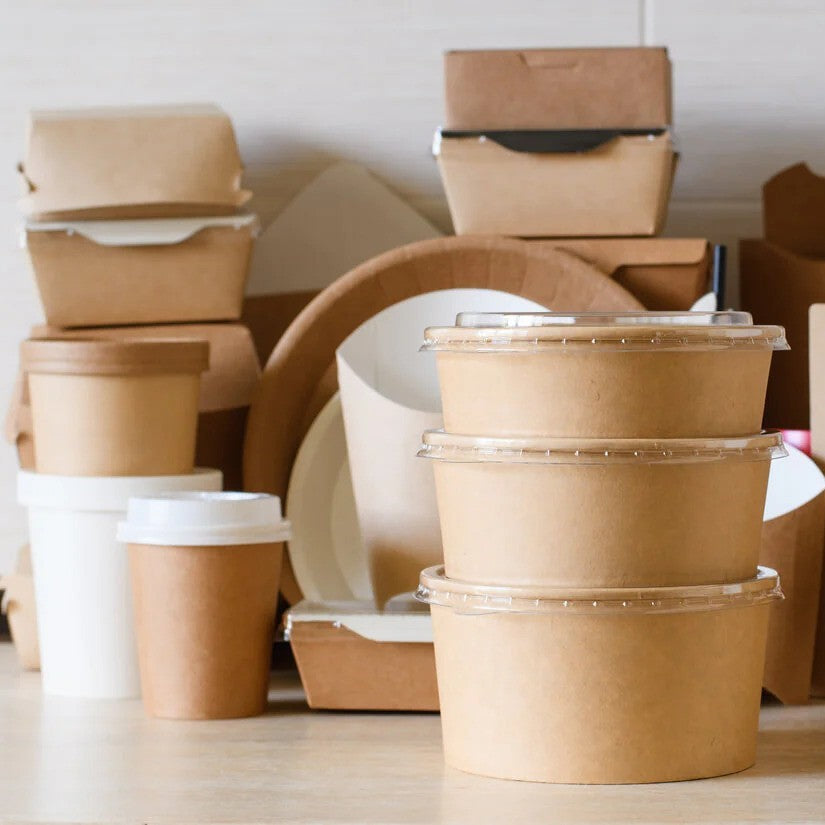
These are the leak risks. Look for a rigid container with a lid that genuinely locks rather than rests on top, and enough depth that sauce isn't sitting at the rim. Rectangle containers are the workhorse here — they stack in a delivery bag without sliding, and they reheat.
Steam is the second issue. A completely sealed hot container turns rice gluey and batter soft. If the dish is going straight into a delivery bag, a small vent or a slightly loose lid on the fries component (packed separately) does more for quality than any other change.
For oven-finished or heavier dishes — lasagne, roasts, catering trays — aluminium foil trays hold heat better and can go straight into the oven.
Fried food: chips, schnitzel, spring rolls
Fried food has one enemy: trapped steam. It condenses, drops back onto the crust, and undoes your fryer.
Use something that breathes. Vented clamshells and kraft-based boxes let moisture escape, which is why chips packed in a lined paper box survive the trip far better than chips sealed in a plastic tub. If you're bundling chips with a hot main, pack them separately — this single change fixes more complaints than any upgrade in container quality.
Cold items: salads, poke bowls, sandwiches, cakes
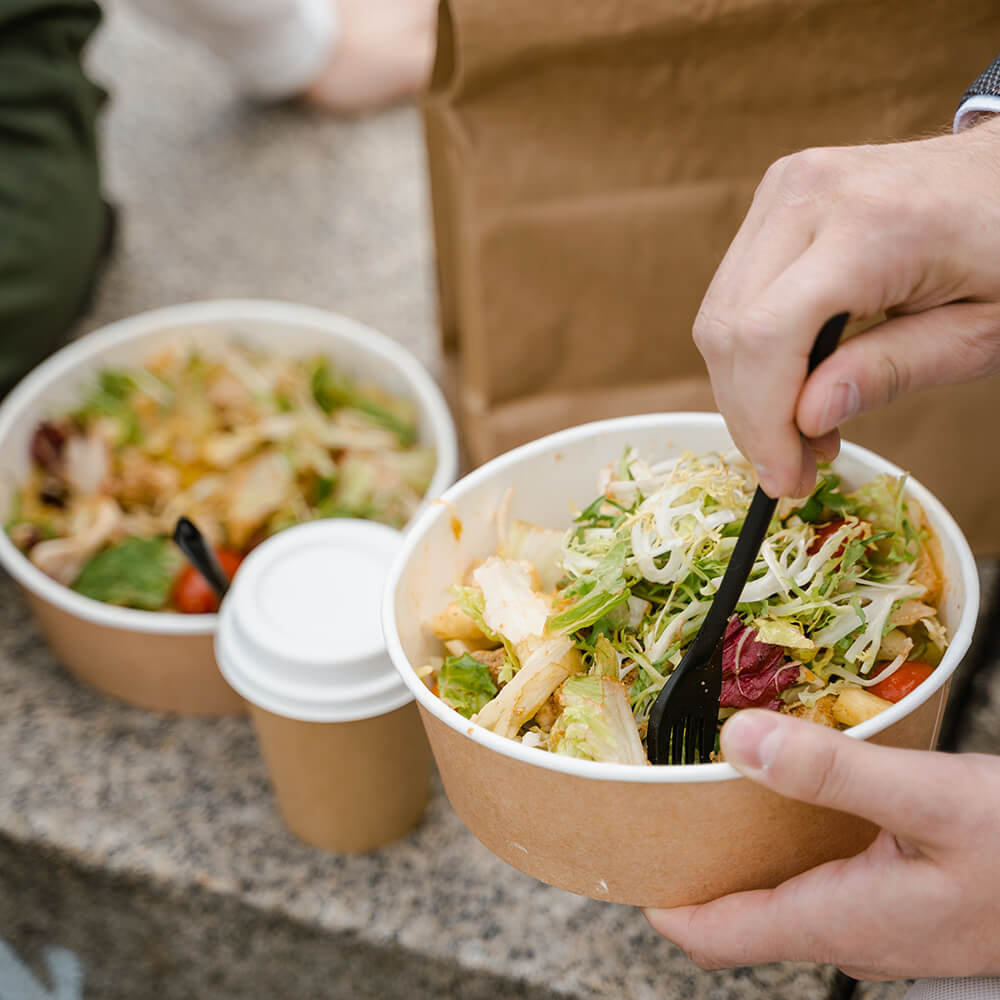
Here, visibility sells. A clear lid turns the container into your display cabinet. Cold food doesn't have the steam problem, so a well-sealed clear container is ideal — it keeps dressing where it belongs and shows off what the customer paid for.
For cakes, slices and desserts, structure matters more than seal: you need a box that won't crush in transit and a base that won't stick. Cake and dessert packaging paired with baking paper handles both.
Drinks: the fastest place to lose a customer
Nothing damages a café's reputation faster than a coffee that arrives half-empty. Two things matter far more than the cup itself:
- Lid fit. Test every new lid with a full cup, on a real tray, at a real walking pace before you commit to a carton.
- Wall type. Double-wall cups mean no sleeve, faster service and no burnt fingers. Single-wall plus sleeve is cheaper per cup but slower at the pass.
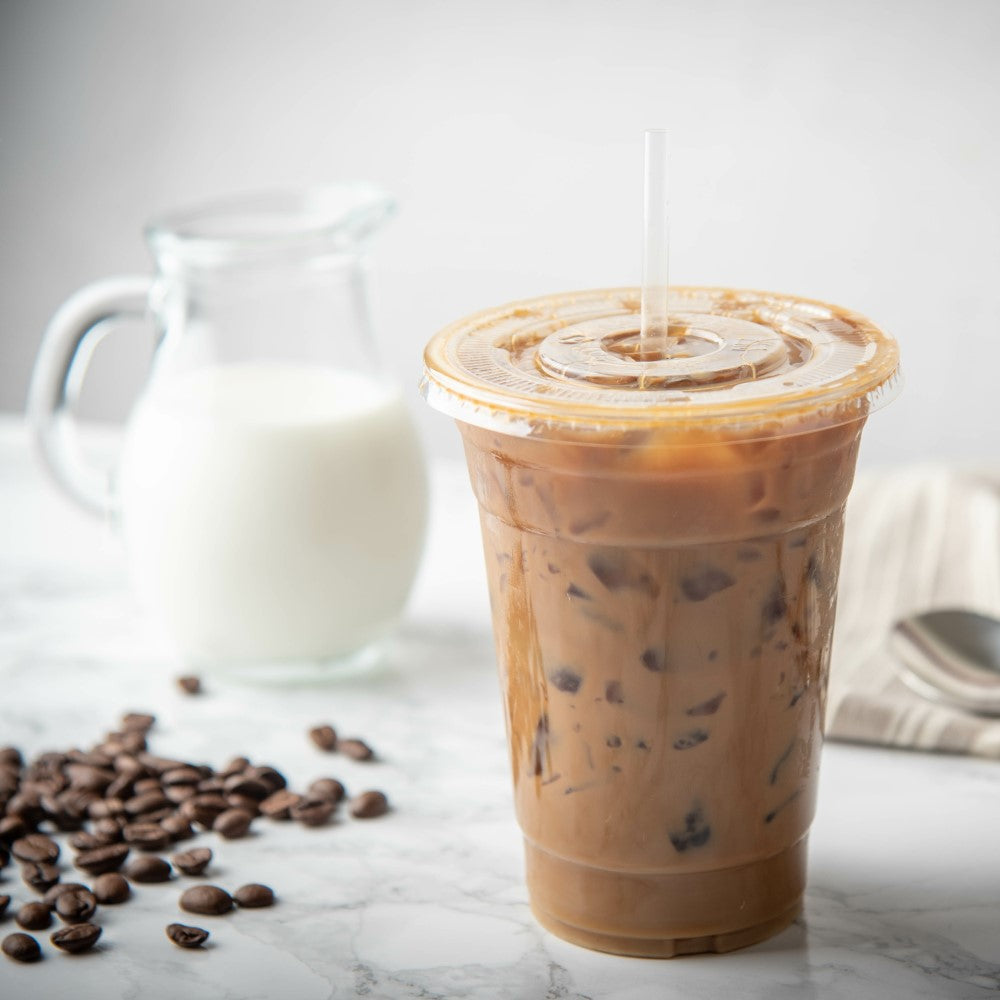
Cold drinks need their own thinking — clear cups show the drink, and a dome lid gives room for toppings. Browse the full range of cups and lids to match hot and cold service.
The bits everyone forgets
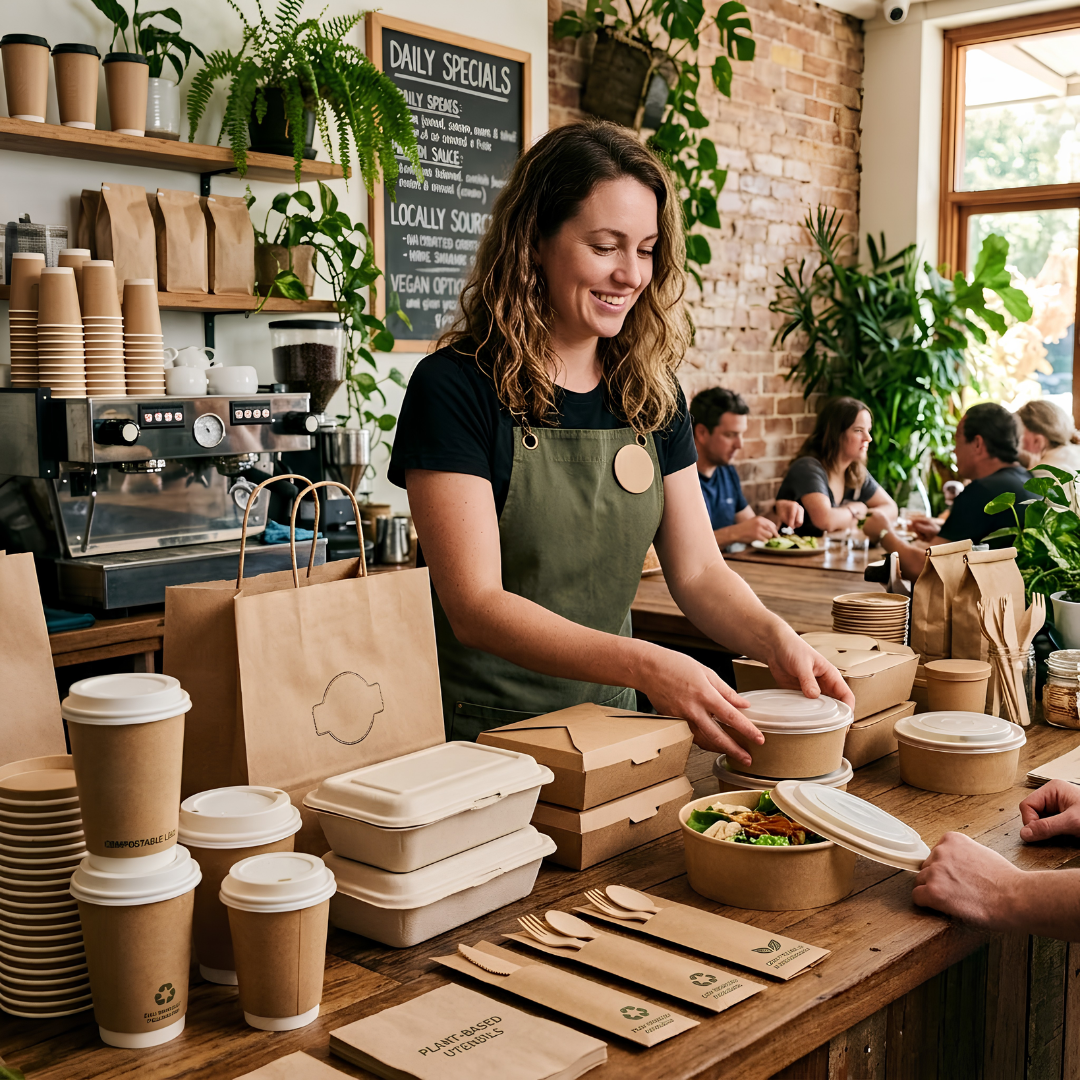
Packaging isn't just the container. The items that quietly shape the customer's experience:
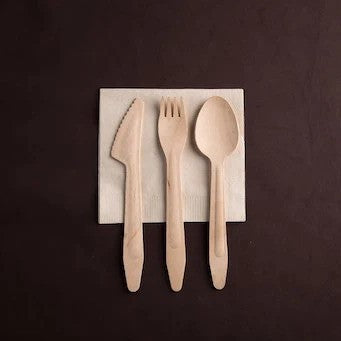
- Cutlery and napkins — a fork that snaps in a salad is a memorable failure. Wooden and heavier-gauge options cost slightly more and fail far less.
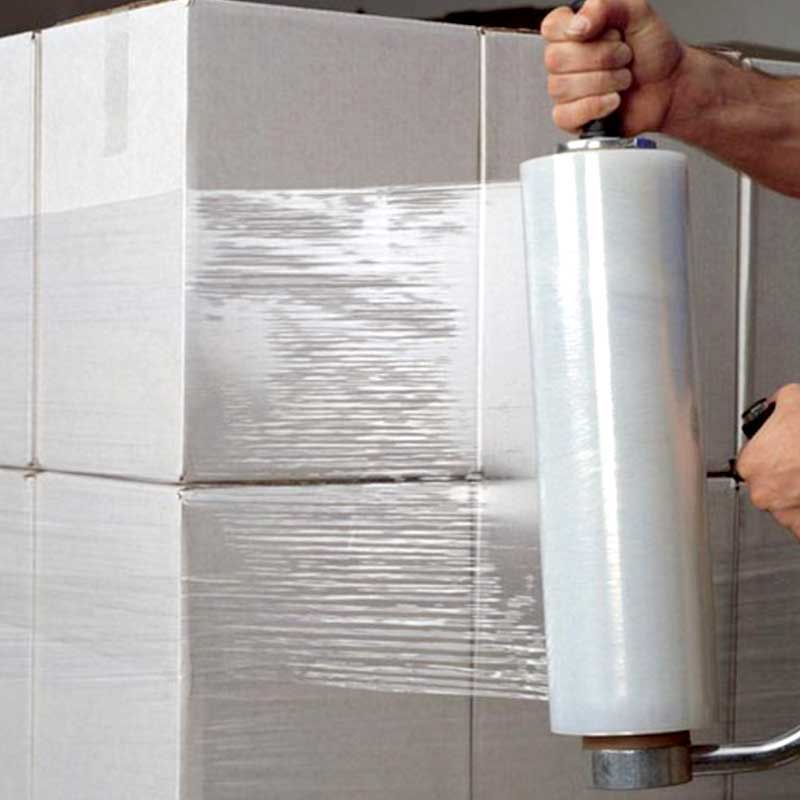
- Bags and wrapping — the carry bag needs a flat base so containers sit level. Handled bags that tip are how sauce ends up in the bag.
- Disposable gloves — a food-safety requirement, and worth sizing properly so staff actually wear them.

Quick reference
| What you're selling | Reach for | Because |
|---|---|---|
| Curry, pasta, rice, stir-fry | Rigid rectangle container, locking lid | Leak resistance and stacking |
| Lasagne, roasts, catering | Aluminium foil tray | Heat retention, oven-safe |
| Chips, fried food | Vented clamshell or kraft box | Lets steam escape, keeps crunch |
| Salads, poke, sandwiches | Clear container with sealed lid | Visibility, no dressing leaks |
| Cakes, slices, pastries | Dessert box + baking paper | Structure and non-stick base |
| Hot coffee | Double-wall cup, tested lid | No sleeve, no spills |
| Iced drinks | Clear cup, dome lid | Shows the drink, room for toppings |
One more thing: don't run out
The best-matched packaging in the world doesn't help if you're out of lids on a Saturday. Most Melbourne venues we work with land on a simple rhythm — order the fast-moving items (cups, lids, containers, bags) by the carton on a set weekly or fortnightly day, and keep one spare carton of anything that would stop service if it ran out.
If you're reviewing your range, you can browse everything in one place: food packaging supplies in Melbourne, with business pricing, carton quantities and delivery across Melbourne metro, regional Victoria and Australia-wide.
The short version
Match the container to the dish, pack anything fried on its own, test every lid before you buy a carton, and never let the small items run out. Do those four things and most takeaway complaints quietly disappear.
Need help choosing? Shop food packaging supplies or talk to our team — new customers get $10 off their first order.