


The "farm-to-door" revolution is no longer a niche trend; in the Australian market, it has become a logistical standard. Whether you are running a high-end meal kit service in Melbourne, a boutique cheese creamery in regional Victoria, or a local producer shipping organic meats, the stakes for your packaging are incredibly high. One leaked container or a single degree of temperature fluctuation can result in spoiled inventory, lost revenue, and, most importantly, a damaged reputation.
As Australia's fastest-growing packaging marketplace, Pakio understands that for local food producers, packaging is not just a box—it is a vital component of the cold chain. In this comprehensive guide, we will explore the best practices for shipping perishables, focusing on the trio of protection: insulated liners, gel packs, and leak-proof containers.
The Science of the Cold Chain: Why Thermal Integrity Matters (And How to Get It Right)
If you’re in the food business, you already know this: getting your product from point A to point B isn’t just about delivery—it’s about preservation.
Australia’s climate makes that even more challenging. On some days, you’re dealing with intense heat; on others, sudden temperature drops. And during transit, your food is constantly exposed to elements that can affect its quality.
What’s really happening behind the scenes comes down to three types of heat transfer:
- Conduction – when heat transfers through direct contact, like a warm truck surface
- Convection – when heat moves through circulating air inside your packaging
- Radiation – when heat comes from external sources like sunlight
These aren’t just technical terms—they directly impact how fresh (or not) your food arrives.
That’s why your goal isn’t just to “pack food well.” It’s to build a packaging system that keeps everything within the safe temperature zone (below 5°C for chilled goods) all the way through delivery.

Insulated Liners: Creating a Reliable First Barrier
Before anything else, you need to control what’s happening inside your packaging. This is where insulation becomes your first and most important layer.
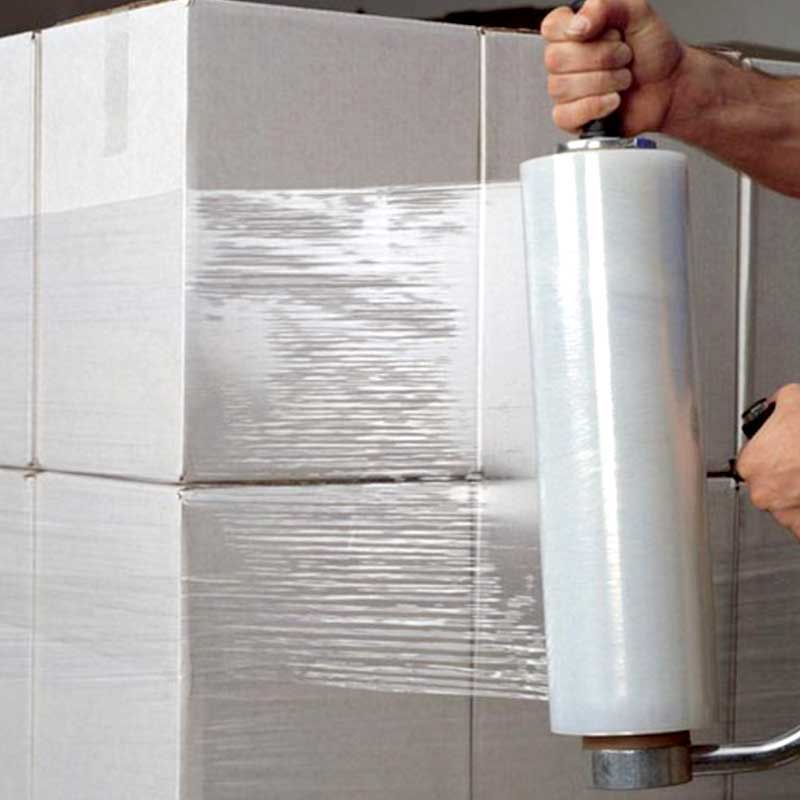
A lot of businesses underestimate how effective simple materials can be when used correctly. For example, combining wrapping materials like:
creates a reflective barrier that helps reduce heat penetration while also protecting food from moisture.
When these are paired with structured packaging such as:
you’re not just wrapping food—you’re creating a controlled environment that slows down temperature changes.
The key here is layering. Each material plays a role, and together they form a much stronger defense than any single packaging component on its own.
Using Structure to Your Advantage: The Role of Air Gaps
One of the most overlooked aspects of food packaging is airflow.
Most people think tightly packed means better—but in reality, allowing small air pockets can actually help maintain temperature stability. Air is a poor conductor of heat, which means it slows down how quickly temperatures change.
This is where your choice of containers matters more than you might expect.
Using structured packaging like:
- 750ml White Rectangle Sugarcane Container 500pc/ctn
- 1400ml Bamboo Paper Square Container 300pc/ctn
-
950ml Octa Takeaway Base 400pc
naturally creates spacing between items. That spacing helps regulate airflow and prevents heat from moving too quickly through your package.
So instead of compressing everything together, a well-organized layout can actually improve your cold chain performance.

Internal Cooling: Making Gel Packs Work More Efficiently
Once your outer barrier is in place, the next step is maintaining internal temperature—and that’s where gel packs or refrigerants come in.
For most food businesses:
- Gel packs are ideal for chilled goods like meal kits, produce, and ready-to-eat meals
- Dry ice is better suited for frozen products that need to stay at much lower temperatures
But here’s where many setups fall short: placement.
It’s not enough to just include gel packs—you need to position them strategically.
A simple but highly effective method is the “sandwich technique”, where gel packs are placed both below and above your products. This works because cold air naturally sinks, so it flows evenly through the contents.
This method becomes even more effective when paired with organized packaging like:
-
Sushi Trays like Rectangle Large Sushi Tray with Clear Lid 400pcs
- Food Tub like 750ml Kraft Takeaway Base 300pc
- Food Containers like PE Coated Kraft Salad Bowl 500ml/16oz 300pc/ctn
These allow for better stacking and spacing, which helps distribute cold air more consistently throughout the package.
Leak-Proof Packaging: Protecting Both Product and Experience
Even if your temperature control is perfect, one leak can ruin the entire delivery.
This is especially important for foods with high liquid content—soups, sauces, dressings, or marinated proteins. Without proper containers, you risk spills that affect not just one item, but everything inside the package.
That’s why many businesses rely on Recyclable Plastic packaging for these situations.
Options like:
are designed to handle moisture-heavy foods while maintaining a secure seal.
They’re durable, practical, and help ensure that your product arrives exactly as intended—clean, intact, and presentable.

Balancing Performance and Sustainability with Sugarcane Packaging
At the same time, more customers are paying attention to sustainability. Packaging is no longer just functional—it’s part of your brand identity.
That’s where Sugarcane (bagasse) packaging comes in.
Unlike traditional materials, sugarcane packaging is made from renewable resources and is fully compostable. But more importantly, it’s also built for real-world use.
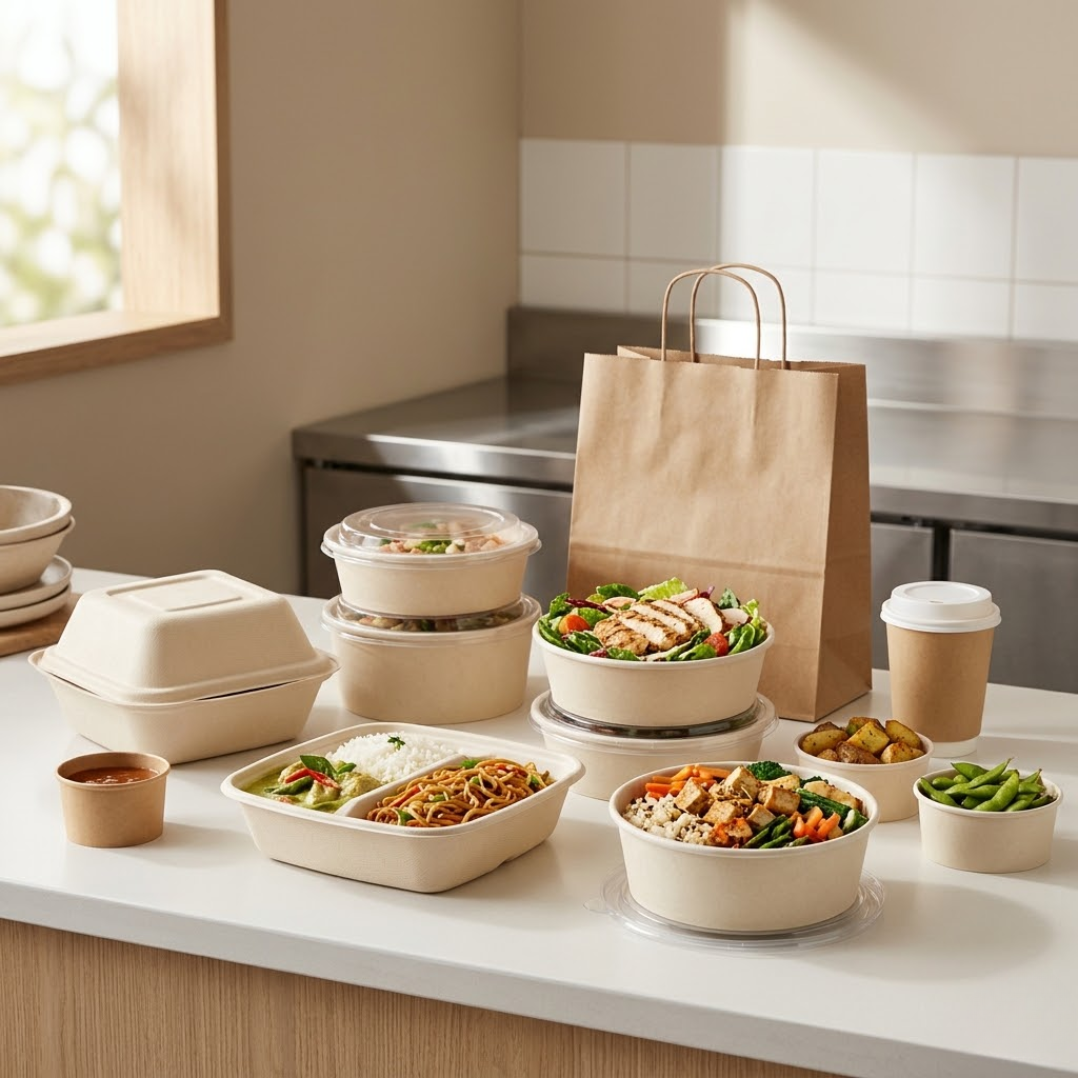
You’ll find options like:
These are sturdy, grease-resistant, and suitable for both hot and cold foods.
So you’re not sacrificing performance—you’re simply upgrading to a more sustainable solution that aligns with modern customer expectations.
Supporting Packaging: The Pieces That Hold Everything Together
It’s easy to focus on containers and insulation, but the supporting elements of your packaging system matter just as much.
For example, having the right outer packaging can make a big difference during transport. Options like:
help keep everything stable and easier to handle during delivery.
And when it comes to customer experience, small additions go a long way. Including items like:
adds convenience and shows attention to detail—something customers definitely notice.

Choosing the Right Packaging for Different Food Types
Not all food products behave the same way, so your packaging should reflect that.
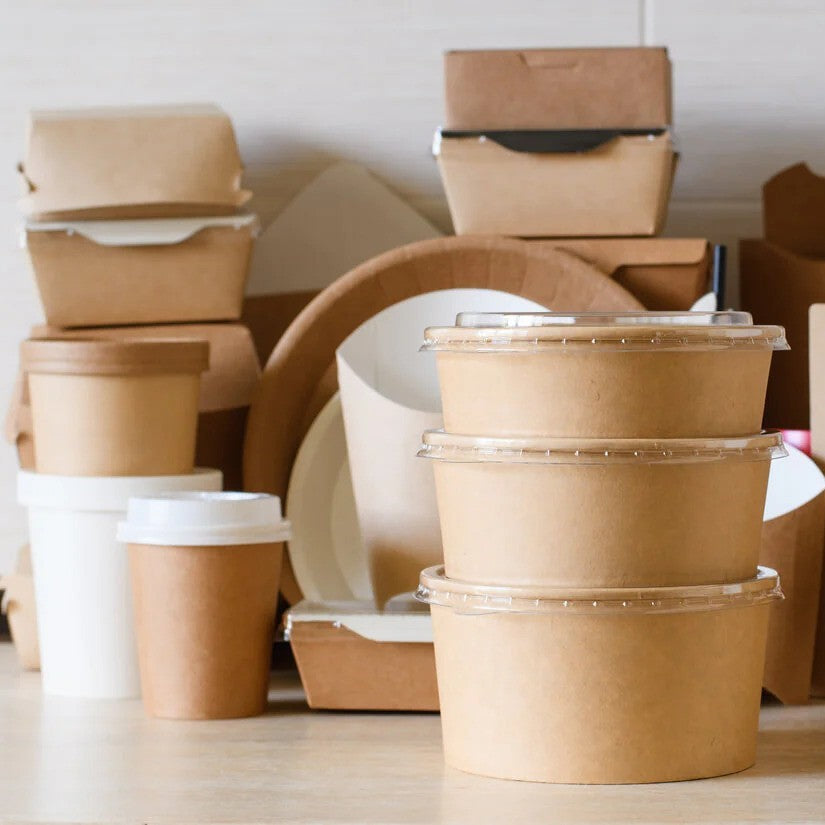
For takeaway and ready-to-eat meals, you’ll want something practical and easy to handle—especially during busy service hours. That’s where options like:
come in handy, giving you both structure and convenience for quick packing and delivery.
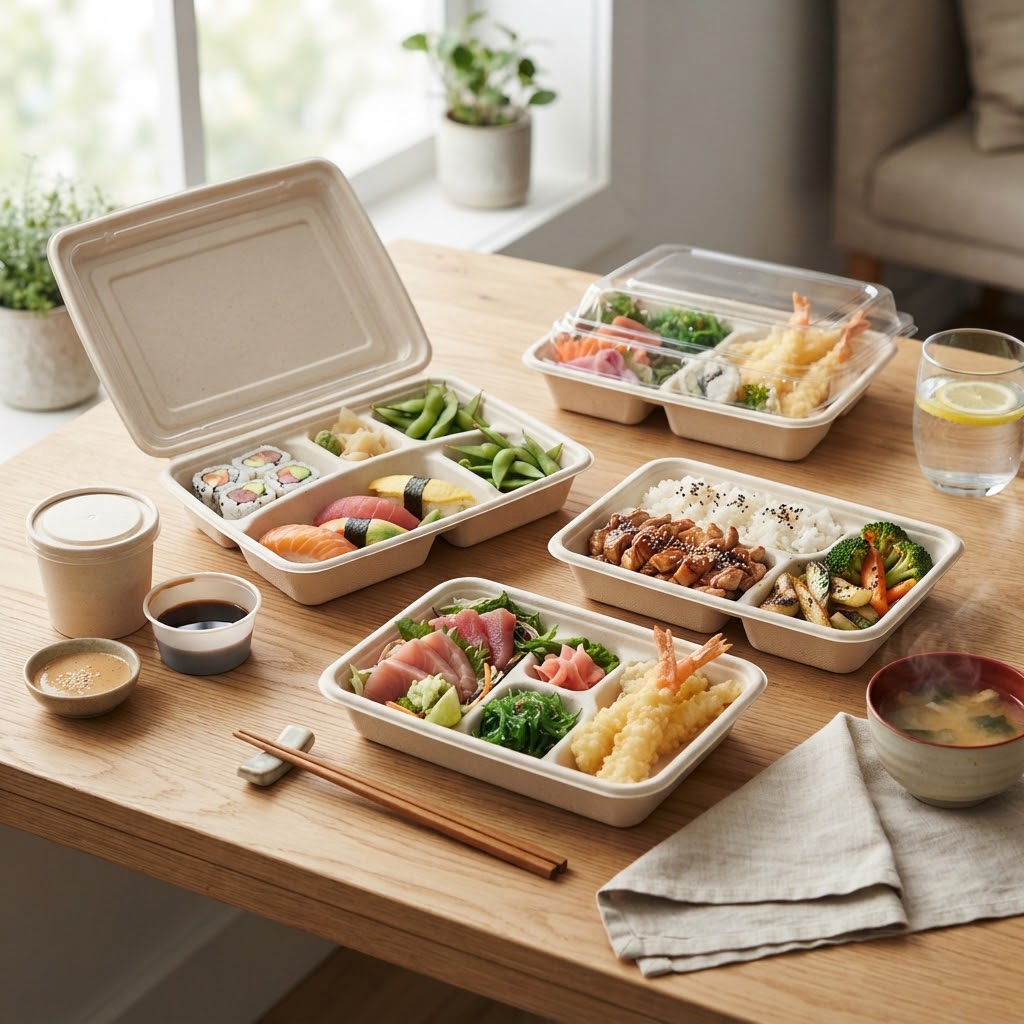
For fresh items like sushi or produce, presentation and freshness matter just as much as protection. Using:
- Rectangle Large Sushi Tray with Clear Lid 400pcs
- Extra Small Sushi Tray PET Lid 300pc
-
Produce Tray 4D/242×179×28.5mm – 250pc
helps keep everything intact while also making the food look more appealing when it reaches your customer.
For larger orders or catering setups, durability becomes the priority. You’ll need packaging that can handle more weight and volume, such as:
- Medium White Catering Tray Base H:80mm 50pc/ctn
-
1000ml Foil Deep Container 500pc
which are designed for secure transport and easy serving.
And for bakery items, it’s all about preserving shape and presentation. Packaging like:
- Milk Board Cake Box with Hinged Lid 8x8x6" | 100pc/pk
- 12" Cake Board Square - Silver 50pcs/pk
-
Silicon Paper 16" 405 x 710mm 500 sheets
ensures your products stay protected while still looking their best.
Using the right packaging for each category helps maintain both product quality and presentation from preparation to delivery.

Best Practices for Local Food Producers and Meal Kits
To optimize your shipping process, follow these industry-standard steps:
A. Pre-Chilling is Non-Negotiable
Never pack room-temperature goods into an insulated box and expect gel packs to do all the work. Your products should be pre-chilled to their target temperature before they ever touch the packaging. This preserves the "thermal mass" of the shipment.
B. Minimize "Dead Air"
Air is an insulator, but too much empty space in a box allows for convection currents that can speed up the melting of your gel packs. Use dunnage or choose a box size that fits your product snugly. For smaller orders, Sugarcane Bowls or smaller Paper Containers can help consolidate space within the larger shipping carton.
C. Test Your "Time to Melt"
Before launching a new product line, perform a "stress test." Pack a sample box with your chosen liners and gel packs, and leave it in a warm room for 24–48 hours. Use a data logger to track exactly when the temperature exceeds the safe threshold.
|
Component |
Function |
Best For |
|
Foil Liner |
Reflects radiant heat |
All-day deliveries in summer |
|
Gel Packs |
Absorbs internal heat |
Chilled proteins and dairy |
|
PP Containers |
Leak-proof seal |
Sauces, soups, and curries |
|
Sugarcane |
Sustainable protection |
Dry perishables and eco-brands |
6. Navigating the Australian Logistics Landscape
Shipping perishables in Australia requires a reliable supply chain. Pakio is proud to be 100% Aussie owned, offering next business day delivery to the Melbourne Metro Area to ensure your packaging supplies never run dry during peak seasons.
For local producers, the ability to access over 3,000 SKUs means you can source everything from your primary Food Packaging to your Hygiene Products and Industrial Stationery from one trusted supplier.
7. The Sustainability Factor: Winning the Modern Consumer
Today’s Australian consumer is increasingly wary of "greenwashing." They want to know that their meal kit doesn't result in a mountain of non-recyclable waste.
By utilizing materials like Sugarcane Bagasse and Aqueous-coated paper, businesses can reduce their environmental footprint without sacrificing performance. Aqueous coatings, for instance, use a water-based solution to provide moisture resistance, making the packaging more environmentally friendly than traditional PE-coated options.
Explore Pakio's Eco-Friendly Sugarcane Range to see how you can transition your perishables to a more sustainable model.
Conclusion: Scale Your Food Business with Confidence
Bringing It All Together
At the end of the day, good packaging isn’t about one perfect product—it’s about how everything works together.
When your insulation, containers, cooling elements, and carry solutions are aligned, you create a system that:
- Maintains temperature more effectively
- Reduces the risk of leaks and damage
- Improves delivery consistency
- Enhances the overall customer experience
And that’s what really sets a food business apart.
Shipping perishables is a high-stakes balancing act between temperature control, leak prevention, and cost-efficiency. By investing in high-quality insulated liners, selecting the correct refrigerants, and utilizing robust, leak-proof containers like those found in Pakio’s Recyclable Plastic and Eco-Friendly Takeaway Packaging collections, you can ensure your products arrive in perfect condition every time.
Frequently Asked Questions
What are the best insulated liners for shipping temperature-sensitive food in Australia?
The most effective thermal protection for the Australian climate involves using a combination of reflective barriers and air-gap insulation. Foil-lined paper is a top choice for meal kit services and local producers because it reflects up to 97% of radiant heat. For the best results, these should be used in conjunction with corrugated cardboard, which provides structural integrity and additional air pockets that slow down heat transfer, ensuring the internal "cold chain" remains intact during transit.
Are sugarcane bagasse containers suitable for liquid-based perishables?
Sugarcane bagasse is an excellent eco-friendly option made from natural plant fibres, offering high durability and grease resistance. While it is perfect for a wide variety of foods, for high-liquid items like soups or curries being shipped over long distances, it is often paired with secondary leak-proof packaging or used for "dry" perishables. For businesses requiring a 100% moisture-proof seal for shipping, recyclable PP or PET plastic containers are often recommended to ensure no leaks occur during the delivery process.
How can meal kit services reduce packaging costs without compromising food safety?
One of the most effective ways to reduce costs is through the "Right-Size Packaging" strategy. By choosing containers and boxes that minimize "dead air," you reduce the number of gel packs required to maintain temperature. Additionally, joining a wholesale program allows businesses to access bulk pricing on over 3,000 SKUs, from industrial stationery to specialized food containers. Utilizing a supplier with local Melbourne Metro delivery also reduces lead times and shipping overheads, allowing for more efficient inventory management.
Ready to optimize your cold chain and reduce costs? Pakio offers a Cost Savings Guarantee and exclusive benefits for our Wholesale Program members. Whether you need Catering Trays for large-scale prep or Takeaway Carry Bags for the final hand-off, we have the stock and the expertise to help your business grow.
Contact the Pakio team today at 1300 362 158 or visit our showroom in Keysborough to discuss your custom packaging needs.