

In 2026, the landscape of Melbourne’s world-renowned café culture has fundamentally shifted. As of January 1, 2026, expanded single-use plastic bans across Victoria have moved from a suggestion to a strict legal requirement, targeting items that were once staples of the morning rush. For local business owners, this isn't just about avoiding a fine; it’s about meeting a new standard of consumer expectation where 51% of Australian shoppers now prioritize sustainability in their daily purchases.
The transition to eco-friendly alternatives is no longer a "nice-to-have" feature—it is a critical branding strategy. This blog explores how small food brands can navigate these new regulations while leveraging high-quality, sustainable packaging to build deeper customer loyalty and a premium brand image.
The 2026 Regulatory Shift: What You Need to Know
The 2026 regulations in Victoria are significantly broader than previous years, specifically targeting items central to the hospitality industry.
-
Banned Beverage Items: Single-use plastic cups for both hot and cold drinks, including clear PET cold cups and standard PP hot coffee cup lids, are now prohibited.
-
Containers and Lids: Rigid plastic takeaway containers often used for salads or pasta, along with their lids, have been phased out.
-
Accessories: Plastic cutlery (forks, spoons, knives), stirrers, and even individual plastic sauce sachets are no longer permitted.
Non-compliance carries heavy penalties, with fines for body corporates exceeding $59,000. However, proactive Melbourne cafés are finding that this mandate is an opportunity to improve their brand image.
Feature Focus: The Next Generation of Coffee Cups
To stay compliant and competitive, cafes are moving toward advanced materials that offer the same performance as plastic without the environmental footprint.
1. Aqueous Coated Coffee Cups
Aqueous coating is a game-changer for 2026. Unlike traditional cups that use a thin plastic (PE) liner, these cups use a water-based coating that allows the entire cup to be easily recycled or composted.
-
Product Spotlight: Single Wall Aqueous Coated Coffee Cups and Double Wall Aqueous Coated Coffee Cups.
-
Marketing Edge: Highlighting "Plastic-Free Coating" on your menu tells your customers you are ahead of the curve in sustainable tech.
2. PLA and Plant-Based Liners
For those serving ultra-hot lattes, PLA-coated cups provide a sturdy, plant-based alternative to traditional oil-based plastics.
-
Product Spotlight: PLA Coated Coffee Cups paired with CPLA Lids.
-
Marketing Edge: These materials are 100% compostable, appealing directly to the environmentally conscious Melbourne demographic.
Elevating the Takeaway Experience
Sustainability isn't just for drinks. Your choice in food containers serves as a "silent brand ambassador" that shapes customer perception before they even taste the food.
Sugarcane Bagasse: The New Standard for Hot Food
Sugarcane bagasse is a fibrous byproduct of sugar production, making it a highly renewable and sturdy material for takeaway containers.
-
Collection Spotlight: Sugarcane Collection including Sugarcane Clamshells and Rectangle Containers.
-
Why it works: These containers are naturally grease-resistant and microwave-safe, providing a premium feel that justifies a higher price point.
The Versatility of Kraft Paper
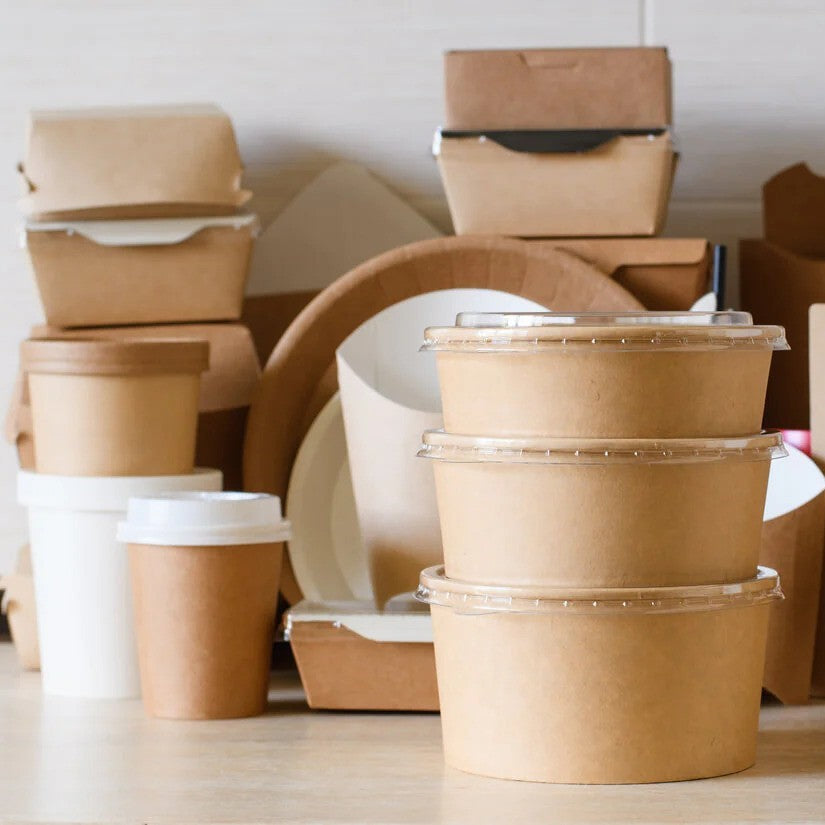
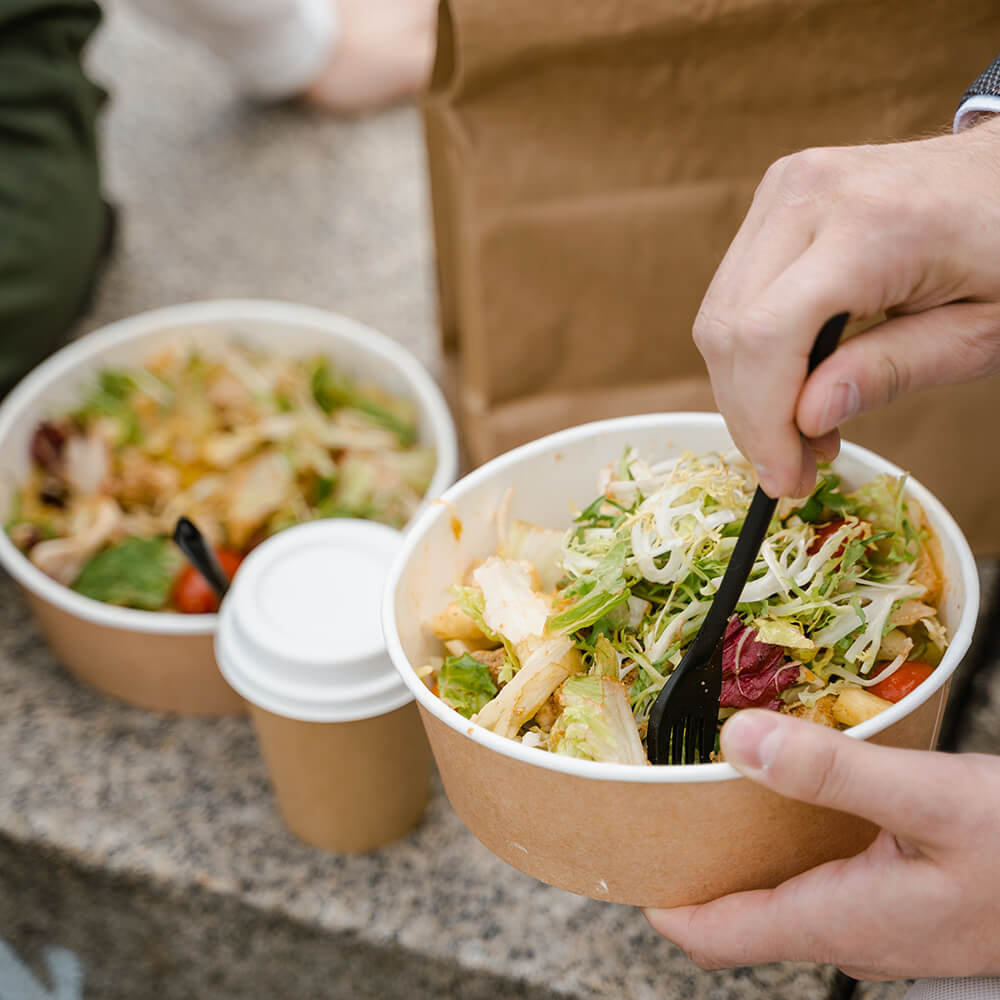
Kraft packaging has become synonymous with "fresh and local". Its textured, earthy feel reinforces a brand's commitment to the planet.
-
Collection Spotlight: Paper Collection featuring Paper Food Tubs and Lunch & Noodle Boxes.
-
Marketing Edge: Kraft finishes photograph beautifully for Instagram and TikTok, encouraging customers to share their meals online—providing you with free organic marketing.
Small Changes with Big Impact: Accessories and Cutlery
The 2026 ban also covers the "little things" that can often be overlooked.
-
Straws: Move away from plastic with Paper Straws, Wheat Straws, or Bamboo Fibre Straws.
-
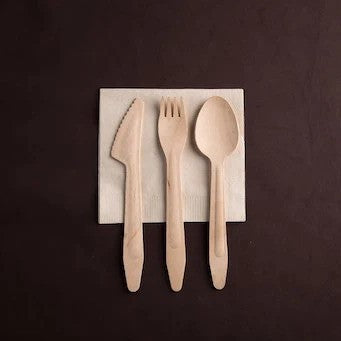
Cutlery: Replace banned plastic sets with Wooden or Bamboo Cutlery.
-
Bags: Finalize the transaction with Recyclable Paper Carry Bags rather than plastic.
Why Sustainable Packaging Supports Premium Pricing
One of the most significant trends in 2026 is the link between eco-friendly packaging and perceived value. Consumers are often willing to pay a 10–20% premium for sustainable solutions because they associate these materials with higher food safety, ethical sourcing, and overall quality.
For a small bakery or cafe, switching to a structured Pizza Box or a high-quality Catering Tray from the Pakio collection ensures that the food arrives in perfect condition while signaling that your business cares about its environmental footprint.
Practical Steps to Transition Your Brand
To maximize the marketing benefits of your new packaging, consider these strategies:
-
Standardize Across the Menu: Consistency builds credibility; use the same eco-friendly aesthetic for everything from your Ice Cream Cups to your Sushi Trays.
-
Highlight Your Choices: Use your website and social media captions to explain why you chose specific materials like Aqueous Coated Coffee Cups.
-
Train Your Staff: Ensure your team can explain the benefits of compostable packaging to curious customers.
Final Thoughts
Sustainable packaging in Australia isn't just about waste reduction—it is a comprehensive brand strategy. By embracing the 2026 regulations early and choosing high-quality, eco-conscious materials, small food brands can protect their reputation, stay compliant, and build a loyal customer base that values both great food and a healthy planet.