


Sustainability is no longer a "nice-to-have" for Australian businesses — it's a competitive necessity. From cafés in Melbourne to meal kit producers in regional Victoria, more brands are asking the same question: how do we reduce packaging waste without our products arriving damaged, leaking, or spoiled?
It's a fair concern. For years, "eco-friendly" and "durable" seemed like opposite ends of a spectrum — you could have one or the other, but rarely both. Thankfully, that trade-off is largely a myth in 2026. With the right materials, smart design choices, and a supplier who understands both sustainability and logistics, Australian businesses can dramatically cut their environmental footprint while keeping their product protection standards exactly where they need to be.
As Australia's fastest-growing packaging marketplace, Pakio works with cafés, restaurants, food producers, and retailers across the country to solve exactly this problem. In this guide, we'll break down the practical, real-world strategies for reducing packaging waste — covering materials, design principles, compliance, and cost — so you can make sustainable packaging decisions with confidence.
Why Packaging Waste Is Under the Microscope in Australia
Australia generates a significant volume of packaging waste each year, and both regulators and consumers are paying closer attention to where it ends up. The National Packaging Covenant and Australia's 2025 packaging targets have pushed businesses to rethink single-use plastics, while state-level container deposit schemes and plastic bans (such as those on lightweight plastic bags and certain single-use items) continue to expand.
At the same time, consumer expectations have shifted. Shoppers increasingly check whether packaging is recyclable, compostable, or made from renewable materials before they buy — and they're quick to call out "greenwashing" when a product's packaging doesn't match its sustainability claims.
For business owners, this creates two pressures at once:
- Regulatory pressure — align with evolving state and federal packaging waste guidelines
- Commercial pressure — meet customer demand for genuinely sustainable, eco-friendly packaging
The good news is that solving for one usually solves for the other, provided your packaging strategy is built on the right foundations.
The Real Trade-Off: Sustainability vs. Protection (And How to Avoid It)
 Let's address the elephant in the room. Many businesses assume that switching to eco-friendly packaging automatically means:
- Weaker structural integrity
- More product damage in transit
- Higher return and replacement rates
- Reduced shelf life for perishable goods
This can happen — but only when the switch is made carelessly. Simply swapping a plastic container for a thinner "green" alternative without adjusting your packaging system is where most businesses go wrong.
The better approach is to think in terms of systems, not single products. Sustainable packaging performs best when materials, design, and handling are considered together. A well-engineered sugarcane container with the correct wall thickness and lid seal can outperform a poorly designed plastic one — and it's the system-level thinking that separates businesses who successfully "go green" from those who end up with a warehouse of damaged stock and unhappy customers.
Sustainable Materials That Don't Compromise on Performance

Sugarcane (Bagasse) Packaging
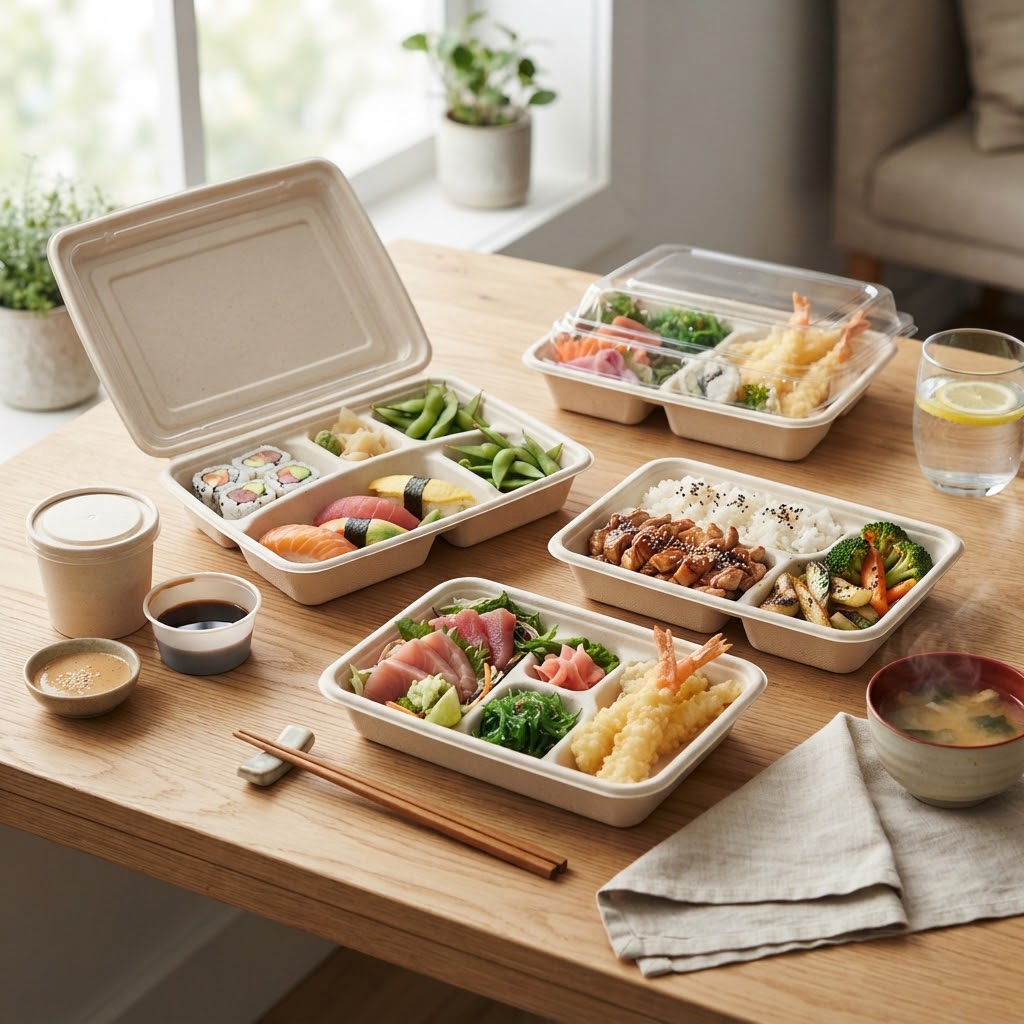
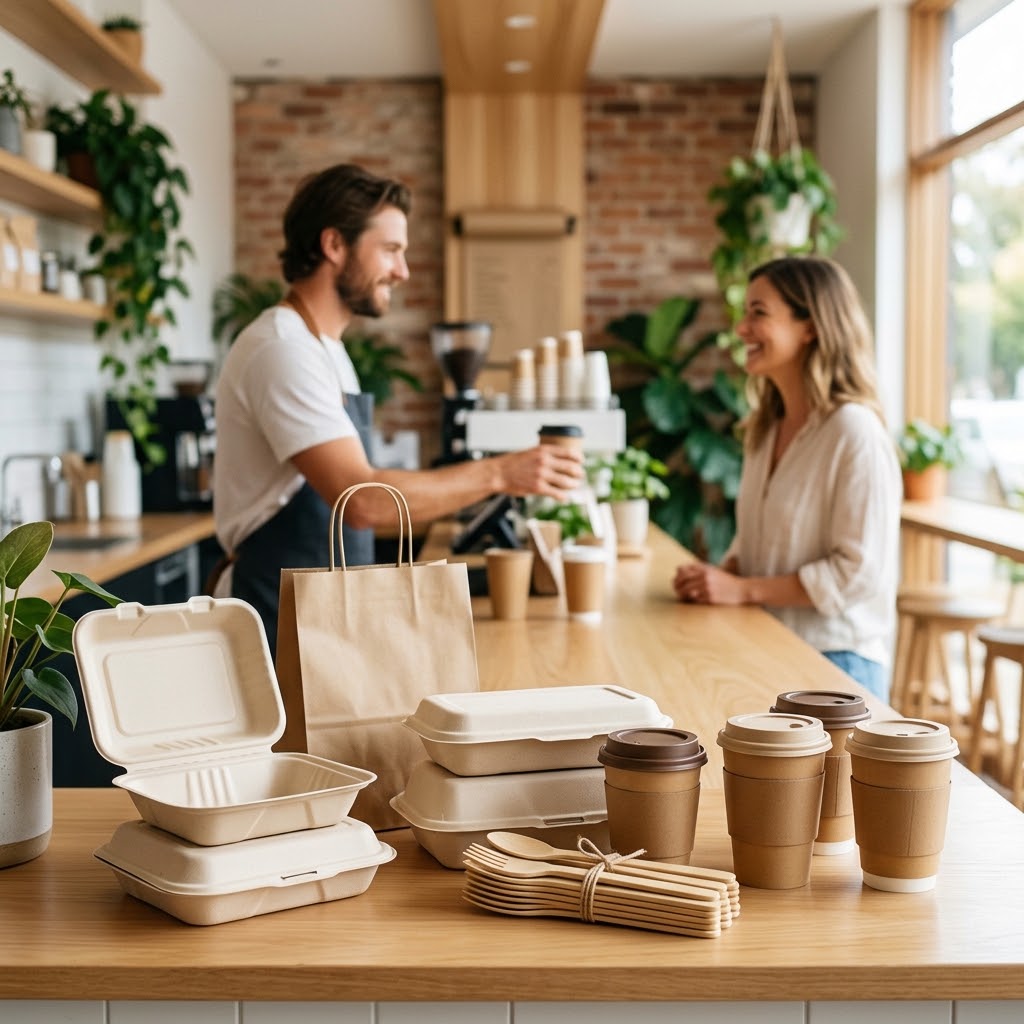
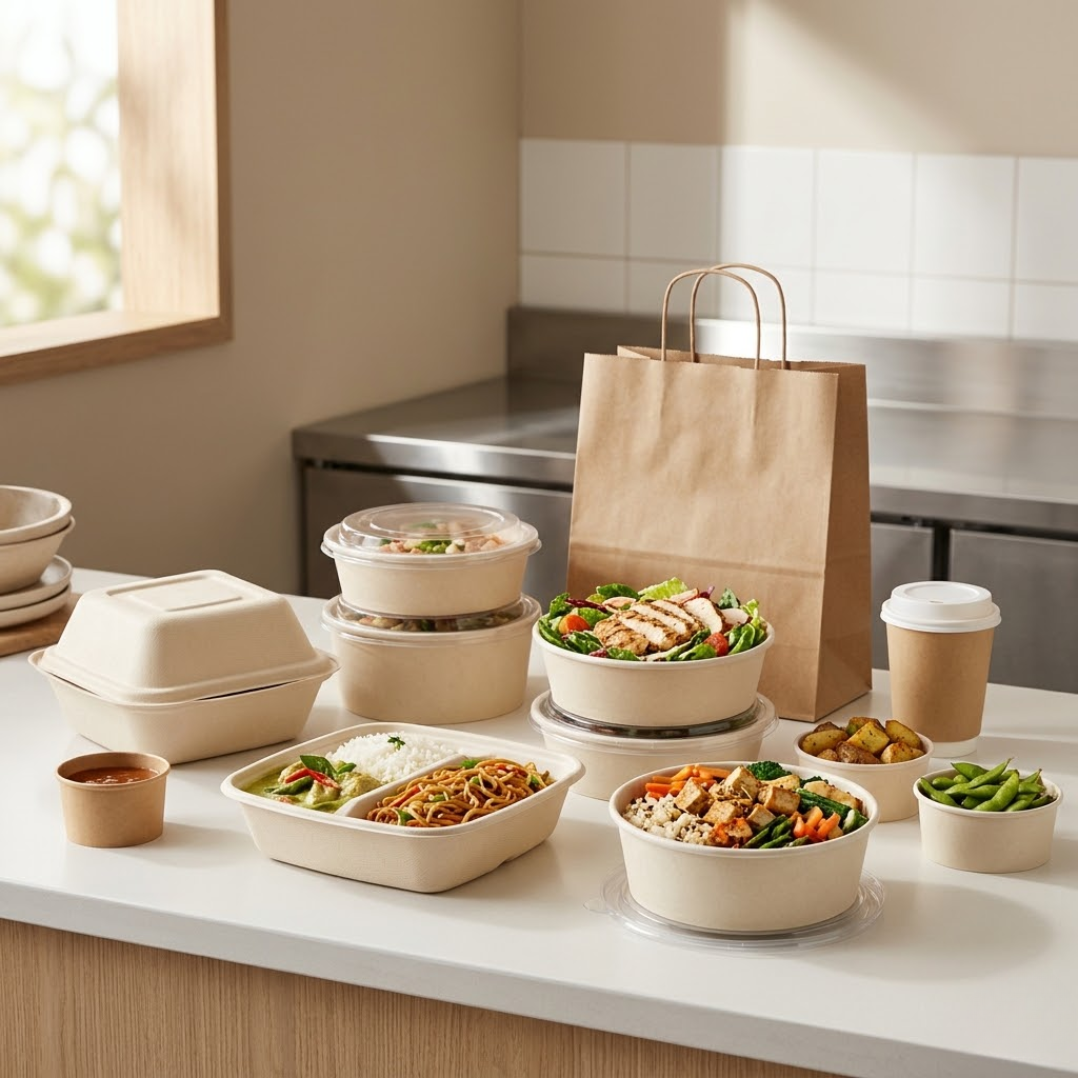
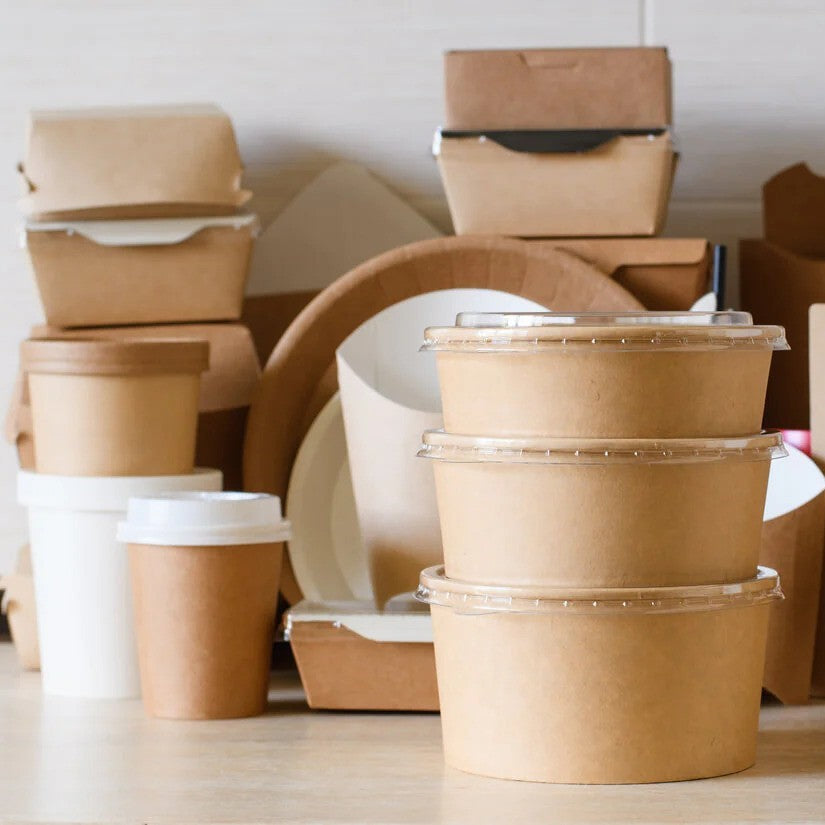
Made from the fibrous residue left over after sugarcane is processed, bagasse packaging is one of the standout materials in the eco-friendly packaging space. It's compostable, sturdy, grease-resistant, and suitable for both hot and cold food — making it a genuine like-for-like replacement for polystyrene and many single-use plastics.
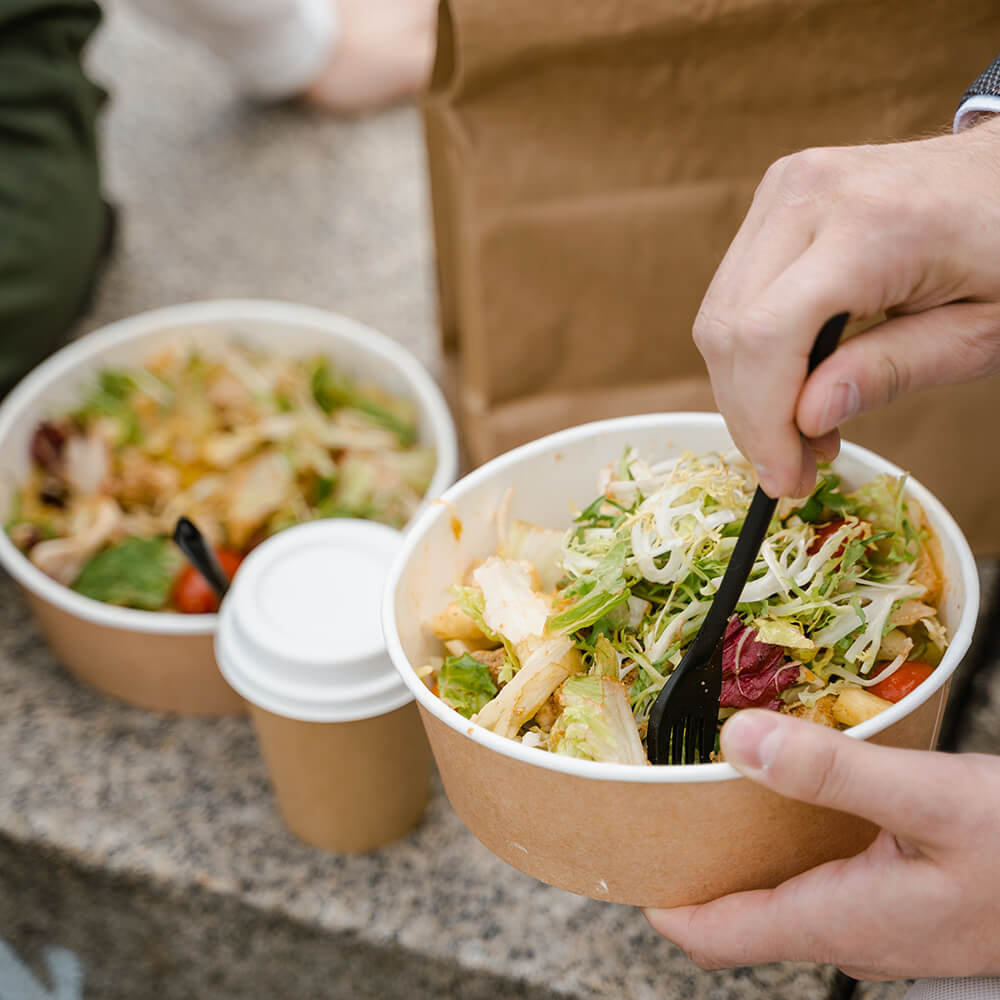
Pakio's Sugarcane Bowls, Clamshells, Plates, and Rectangle Containers are widely used by cafés, caterers, and food trucks that need dependable structural strength without single-use plastic.
PLA-Coated and Aqueous-Coated Paper Products
Traditional PE-coated (polyethylene) cups and containers have long been the industry default, but they're difficult to compost or recycle at scale. PLA coatings, derived from renewable plant starches, and aqueous coatings, which use a water-based barrier instead of plastic film, offer a genuinely lower-impact alternative while still providing moisture resistance.
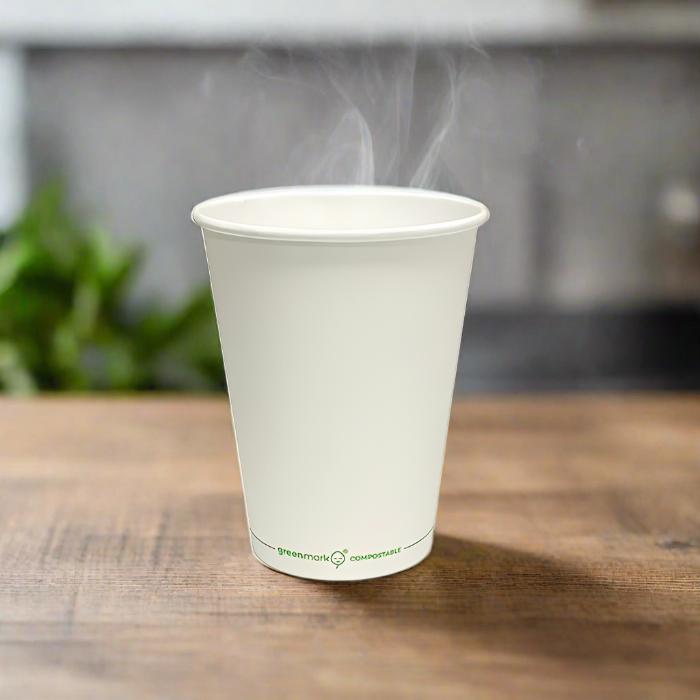
Pakio's PLA Coated Double Wall Coffee Cups and Aqueous Coated Single Wall Coffee Cups let cafés keep the exact cup performance customers expect, minus the long-term environmental cost.
Recyclable Plastic (Where It Still Makes Sense)
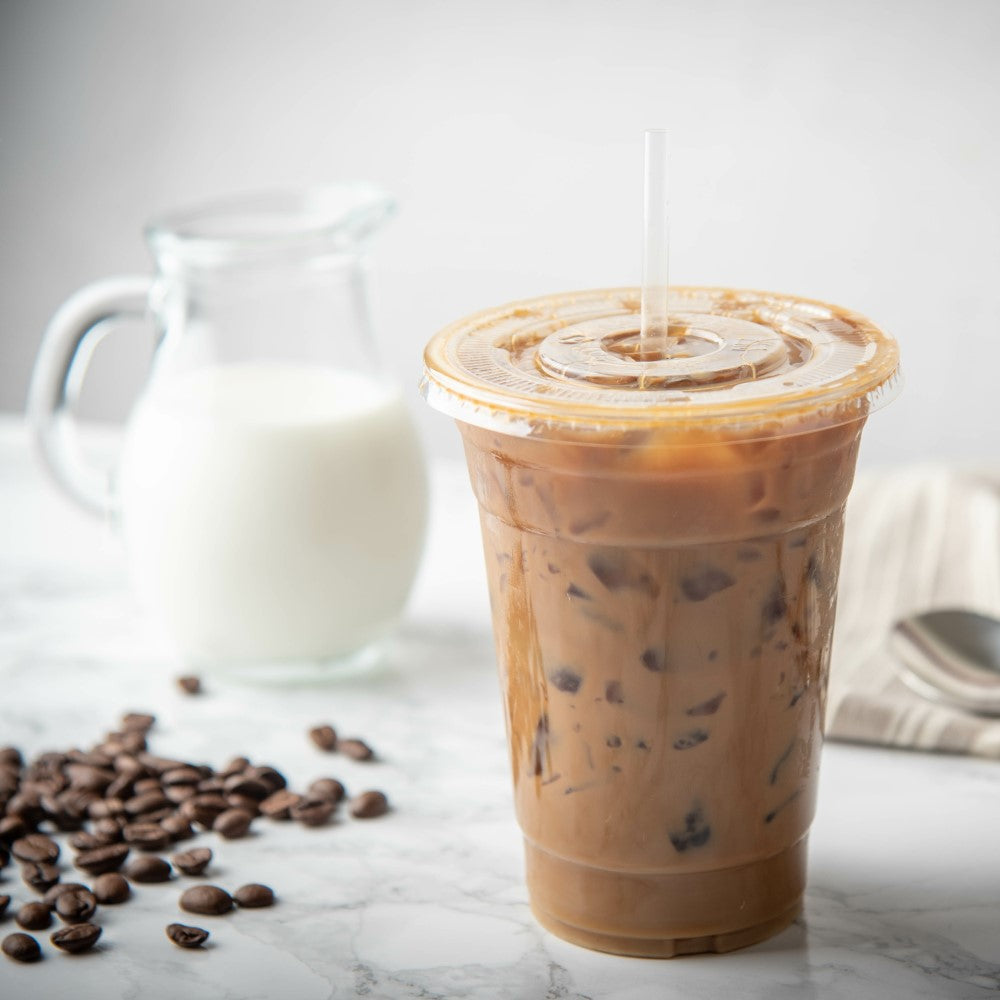
Not every use case suits compostable materials — liquid-heavy foods like soups, curries, and sauces often need a fully leak-proof seal that some fibre-based products can't guarantee. In these cases, recyclable PP and PET plastics remain the more sustainable practical choice, since they can be recovered and reprocessed rather than sent to landfill.
Pakio's Recyclable Plastic Food Containers, including Portion & Sauce Containers and Sushi & Sandwich Containers, are designed to reduce spillage-related waste — because a leaked product that ends up in the bin is its own form of environmental cost.
Eco-Friendly Bags and Wraps
Single-use plastic bags have been phased out across most Australian states, and businesses have responded with paper-based and reusable alternatives. Pakio's Reusable Carry Bags, Takeaway Carry Bags, and GPL Bags give businesses a compliant, durable option that still holds up under weight.
Design Principles for Waste Reduction Without Sacrificing Protection
 1. Right-Size Your Packaging
Oversized packaging is one of the most overlooked sources of waste. Every extra centimetre of container or box means more material used, more void space to fill (often with more packaging), and more cost per unit. Auditing your SKUs against your actual product dimensions — and switching to closer-fitting Food Tubs, Food Containers, or Rectangular Containers — can cut material use significantly without changing how protected your product is.
2. Choose Mono-Materials Over Mixed Composites
Packaging made from a single material type (all-paper, all-PLA, all-PP) is far easier to recycle or compost than composite packaging that mixes plastics, foils, and fibres. Mixed-material packaging often ends up in landfill simply because sorting facilities can't separate it economically. Where possible, choose ranges — like Pakio's Paper Food Packaging — that are consistent in material composition from container to lid.
3. Use Structural Design Instead of Excess Material
Good structural engineering — reinforced corners, ribbing, snug-fit lids — can deliver the same protection as thicker, heavier materials. A well-designed Clamshell or Square Container uses geometry, not extra bulk, to resist crushing and impact during transport.
4. Match Packaging to the Product's Actual Risk Profile
Not every product needs maximum protection. Dry goods, baked items, and produce with a firmer structure can typically use lighter, more sustainable packaging, while liquid-heavy or fragile items justify a more robust (sometimes plastic) solution. Segmenting your product range this way — rather than applying one packaging standard to everything — is one of the fastest ways to reduce overall waste.
5. Consolidate Suppliers to Reduce Transport-Related Waste
It's easy to overlook that packaging waste isn't just about the product itself — it's also about the freight, cardboard, and pallet wrap used to deliver your packaging supplies. Sourcing from a single supplier with a broad range — from Food Packaging to Industrial & Stationery — reduces the number of separate deliveries your business receives, cutting down on cumulative transport waste.
Protective Packaging That's Also Sustainable
Reducing waste doesn't stop at food containers — it extends to how products are protected during shipping and storage. Businesses that ship fragile or bulky goods often assume eco-friendly options can't offer enough cushioning. In reality, several sustainable protective solutions now match (or beat) traditional options:
| Protective Need | Traditional Option | Eco-Friendly Alternative |
|---|---|---|
| Cushioning fragile items | Polystyrene foam | Eco-Friendly Bubble Wrap |
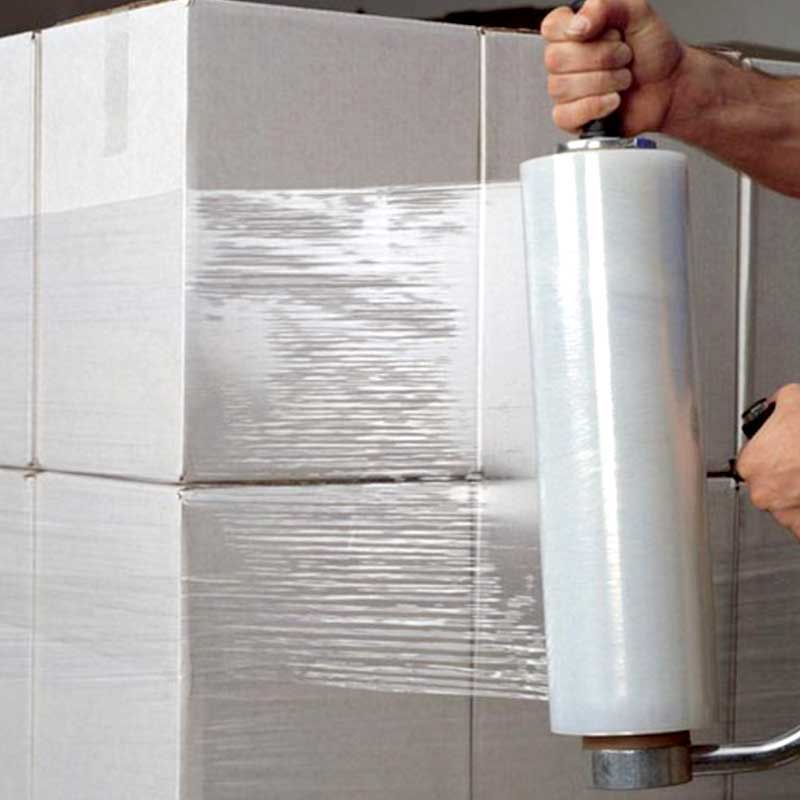
| Wrapping pallets | Standard stretch film | Optimised Stretch & Pallet Wraps with reduced film thickness |
| Sealing parcels | Solvent-based tape | Kraft Paper Tape |
| Mailing lightweight goods | Plastic mailers | Padded Envelopes |
These aren't compromises — they're direct substitutions that maintain protective performance while reducing the packaging's environmental footprint and, in many cases, its overall weight (which also reduces freight-related emissions).
Understanding Australian Compostable & Recyclable Standards
One of the biggest sources of confusion — and greenwashing risk — is not understanding what packaging certifications actually mean. Two standards matter most in Australia:

- AS 4736 — certifies packaging as commercially compostable, meaning it breaks down in an industrial composting facility, not necessarily in a home compost bin
- AS 5810 — certifies packaging as home compostable, a stricter standard suited to products marketed for backyard composting
Labelling a product "eco-friendly" without meeting either standard — or without clarifying which one applies — is a fast way to damage customer trust. Before making sustainability claims, confirm exactly which certification (if any) your packaging supplier has for each product line, and communicate that accurately to your customers.
Balancing Cost, Compliance, and Customer Experience
Business owners often worry that sustainable packaging costs significantly more. While some premium compostable materials do carry a price premium, the true cost comparison needs to include:

- Reduced product damage and returns from better-designed protective packaging
- Fewer compliance risks as plastic bans and packaging regulations expand
- Improved customer retention and brand perception, particularly with environmentally conscious demographics
- Bulk pricing advantages available through wholesale programs
Sourcing from a supplier with a large catalogue — Pakio stocks over 3,000 SKUs — also means businesses can standardise their sustainable packaging across multiple product lines and access wholesale pricing that narrows or eliminates the cost gap entirely.
A Practical Checklist for Reducing Packaging Waste
Use this as a quick internal audit for your business:
- Have you right-sized your containers against actual product dimensions?
- Are you using mono-material packaging wherever possible?
- Have you segmented your product range by actual protection needs?
- Are your compostable claims backed by AS 4736 or AS 5810 certification?
- Have you consolidated suppliers to reduce secondary packaging waste?
- Are your protective materials (tape, wrap, cushioning) sustainable alternatives?
- Have you reviewed bulk/wholesale pricing to offset any material cost increase?
Conclusion: Sustainability and Protection Can Coexist
Reducing packaging waste in Australia doesn't mean gambling with product quality. The businesses succeeding at sustainability aren't necessarily using the most expensive materials — they're using the right materials, sized correctly, backed by genuine certification, and sourced through a supply chain built for efficiency.
Whether you're transitioning your café to PLA Coated Cups, upgrading your food containers to Sugarcane Packaging, or simply looking to right-size your Food Packaging range, Pakio's team can help you build a packaging system that protects your product, your brand, and the environment — all at once.
Frequently Asked Questions
What is the most eco-friendly packaging option for Australian food businesses?
There's no single "best" material — it depends on the product. For dry or moderately moist foods, sugarcane bagasse and PLA-coated paper offer excellent compostable performance. For liquid-heavy foods that need a guaranteed leak-proof seal, recyclable PP or PET plastic is often the more practical and genuinely sustainable choice, since it can be recovered and reprocessed rather than contributing to contaminated compost waste.
Does eco-friendly packaging cost more than traditional packaging?
Some sustainable materials carry a modest price premium per unit, but the total cost picture often evens out once you factor in reduced product damage, lower compliance risk as plastic regulations tighten, and bulk wholesale pricing. Many businesses find that right-sizing their packaging (using less material overall) offsets much of the per-unit cost difference.
How can I tell if packaging is genuinely compostable in Australia?
Look for certification against AS 4736 (commercially compostable) or AS 5810 (home compostable). Packaging that simply says "eco-friendly," "green," or "biodegradable" without one of these certifications may not break down as expected in Australian composting systems, and using that language without certification can expose a business to greenwashing criticism.
Can compostable packaging still protect fragile or perishable products?
Yes, when designed correctly. Structural design — reinforced walls, snug-fit lids, and appropriate material thickness — plays a bigger role in protection than the material itself. A well-engineered compostable container can match the protective performance of plastic for most everyday food and retail applications.