



In 2026, rising material costs, supply chain pressures, and increasing customer expectations have made packaging one of the most critical cost centers for businesses across Australia. For many small and growing brands, the challenge is clear: how do you reduce packaging expenses without sacrificing product protection, presentation, and overall customer experience?
Cutting corners on packaging may seem like a quick way to save money—but poor-quality materials, damaged goods, and negative customer perception often lead to higher long-term costs. The key lies in making smarter, more strategic packaging decisions that balance affordability with performance.
This guide explores practical, cost-saving strategies that help businesses optimize packaging without compromising on quality, durability, or brand image.
Why Packaging Costs Are Rising in 2026
Several factors are driving packaging costs upward:
- Increased demand for sustainable materials
- Higher logistics and freight costs
- Inflation impacting raw materials like paper and plastic
- Growing expectations for premium presentation
While these pressures are unavoidable, businesses that adopt efficient packaging strategies can significantly reduce unnecessary expenses.
Common Packaging Mistakes That Increase Costs
Before optimizing, it’s important to identify where most businesses lose money.

1. Overpackaging Products
Using oversized boxes or excessive fillers increases:
- Material costs
- Shipping fees (due to volumetric weight)
2. Choosing the Wrong Material
Not all packaging needs to be heavy-duty. For example:
- Lightweight items don’t require rigid containers
- Dry goods don’t always need moisture-resistant packaging
3. Lack of Standardization
Using too many packaging types leads to:
- Inventory inefficiencies
- Higher purchasing costs (no bulk advantage)
4. Ignoring Product Fit
Poorly fitted packaging increases the need for void fill and raises damage risk.
Smart Ways to Reduce Packaging Costs
1. Right-Size Your Packaging
Right-sizing is one of the most effective ways to reduce costs.
Instead of using one-size-fits-all boxes, match packaging closely to your product dimensions.
Example:
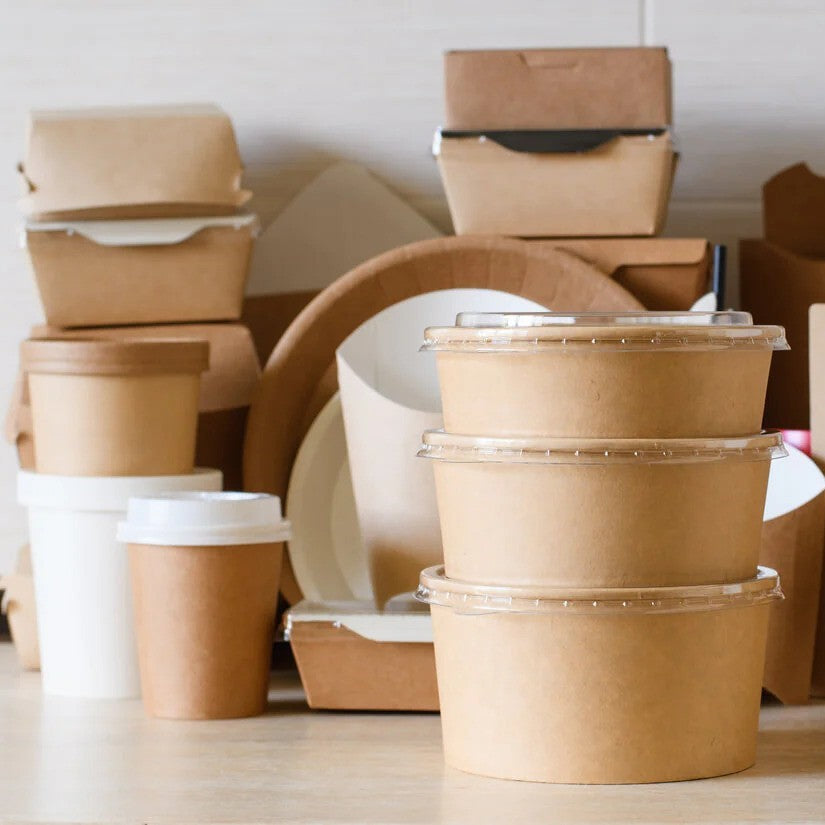
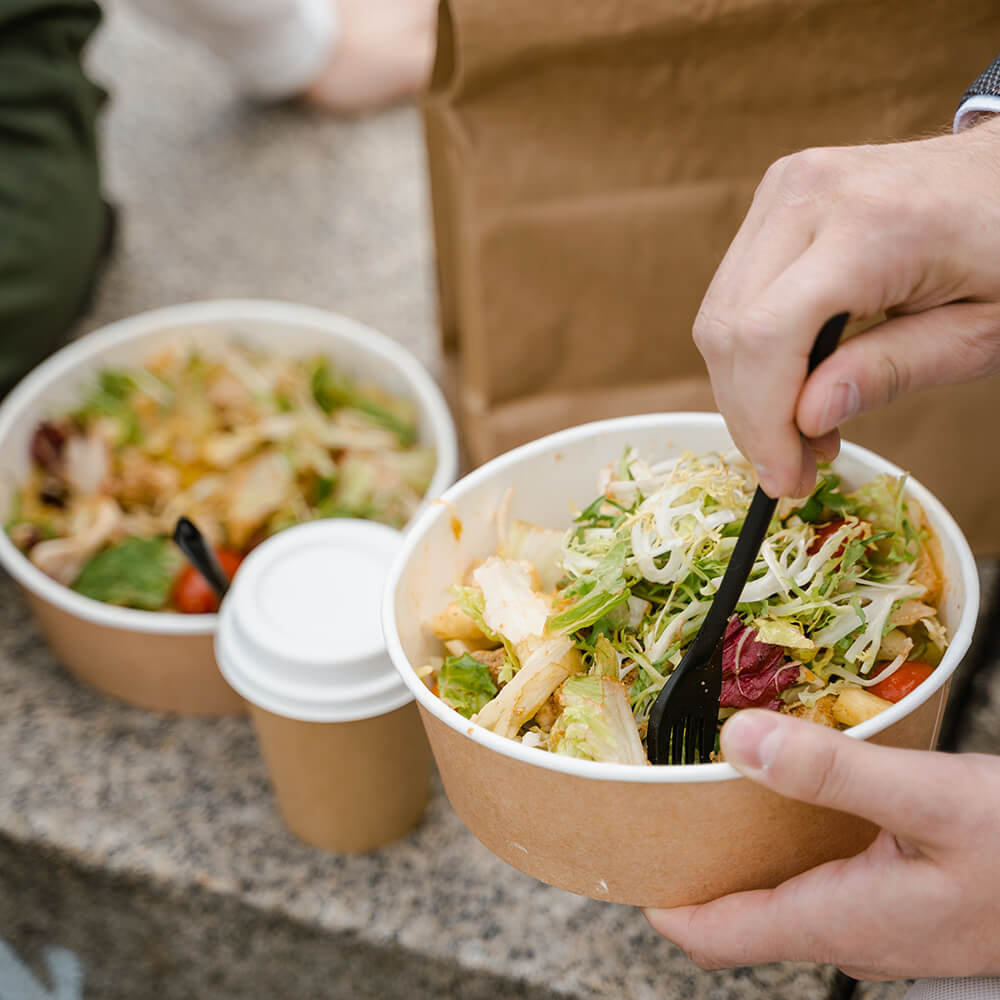
- Use Paper Food Tubs or Food Containers for compact items instead of oversized cartons
- Switch to Flat & Satchel Bags for lightweight takeaway orders
Result:
Lower material usage + reduced shipping costs

2. Choose Cost-Efficient Materials Without Sacrificing Quality
High quality doesn’t always mean high cost. The key is selecting materials that match your product needs.
Kraft Paper Solutions
The Paper collection (Food Tubs, Lunch & Noodle Boxes, Pizza Boxes) offers:
- Affordable pricing
- Strong durability
- Excellent presentation
👉 Ideal for cafés, takeaway, and food businesses
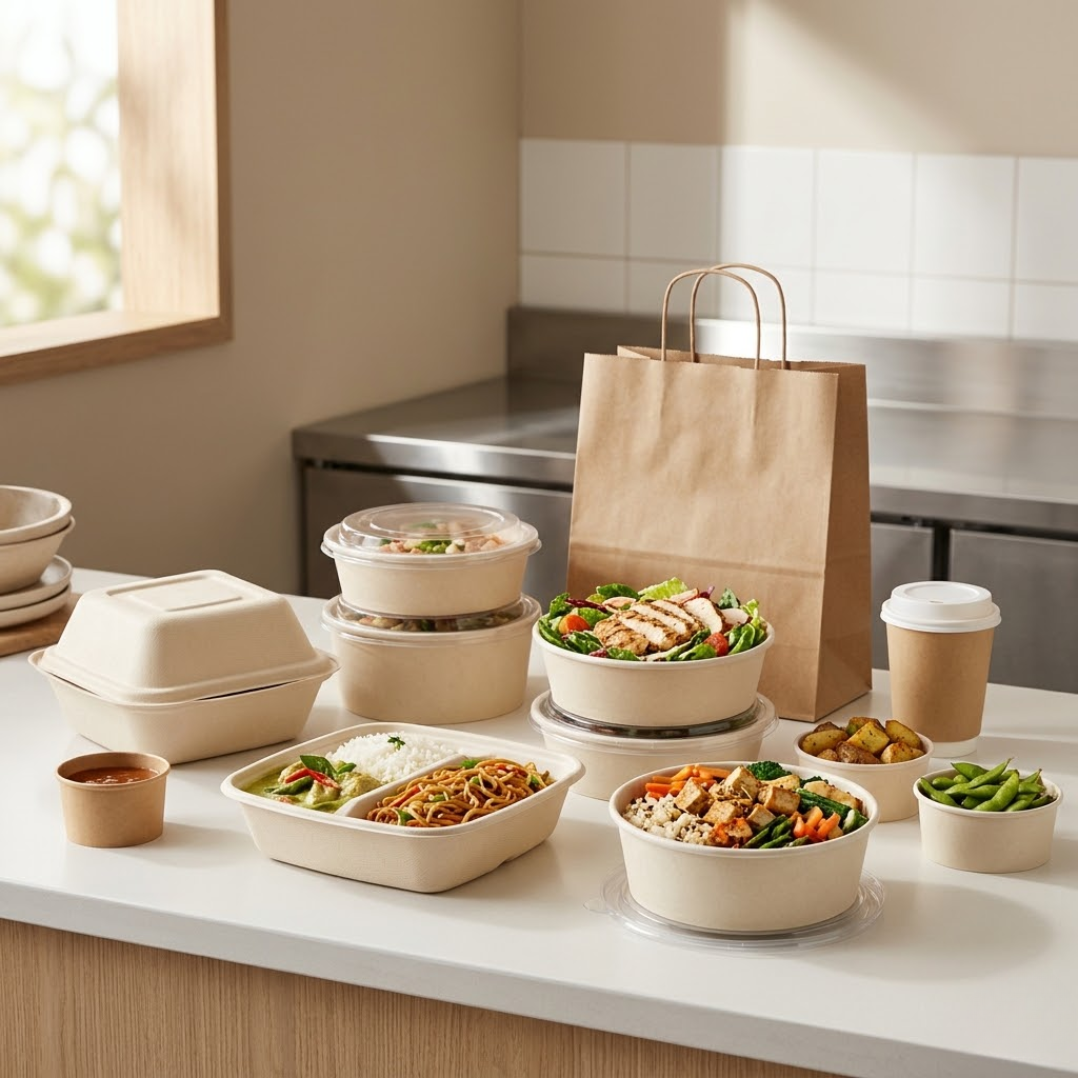
Sugarcane (Bagasse) Packaging
The Sugarcane collection (Clamshells, Bowls, Rectangle Containers) provides:
- Sturdy, grease-resistant performance
- Compostable benefits
- Premium feel without premium cost
👉 Great for hot food and eco-conscious branding

3. Buy in Bulk Strategically
Bulk purchasing reduces per-unit costs significantly—but only when done right.
Best practices:
- Focus on high-usage items like Carry Bags, Food Containers, and Napkins
- Avoid overstocking slow-moving packaging
Example:
Stocking up on Takeaway Carry Bags or SOS Bags ensures consistent supply while lowering costs.
4. Standardize Your Packaging System
Using a limited set of packaging sizes and types helps:
- Simplify operations
- Reduce storage space
- Improve purchasing efficiency
Example setup:
- One size for Sugarcane Clamshells
- One universal Paper Food Tub
- Standard Portion & Sauce Cups
This approach minimizes complexity and maximizes savings.

5. Reduce the Need for Excess Fillers
Instead of adding more packaging, improve packaging design.
Better alternatives:
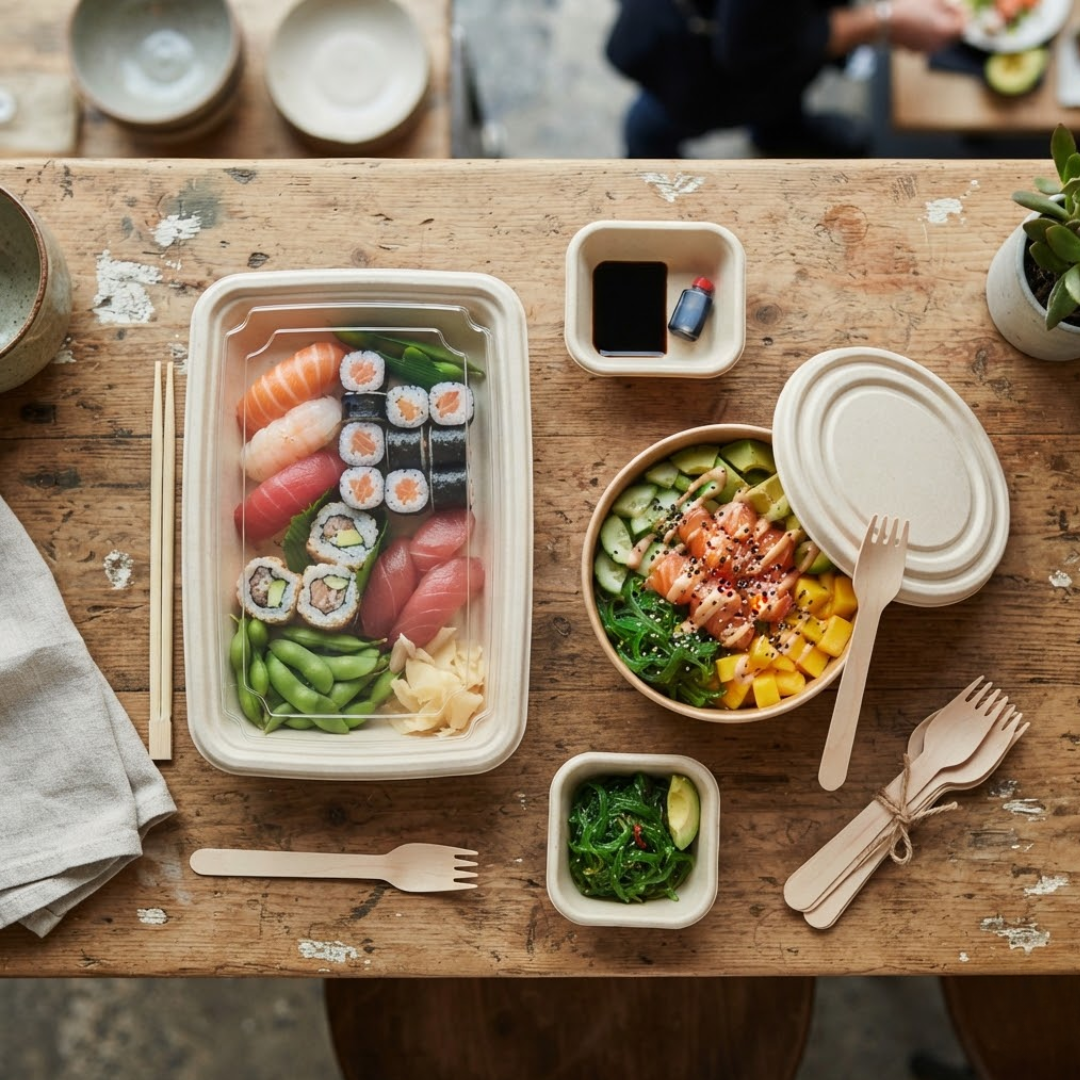
- Use snug-fit Sushi Trays or Rectangle Containers
- Switch to structured Pizza Boxes or Catering Trays
Result:
Less reliance on fillers like paper or plastic wrap
6. Optimize Accessories and Add-Ons
Small items add up quickly.
Instead of automatically including extras:
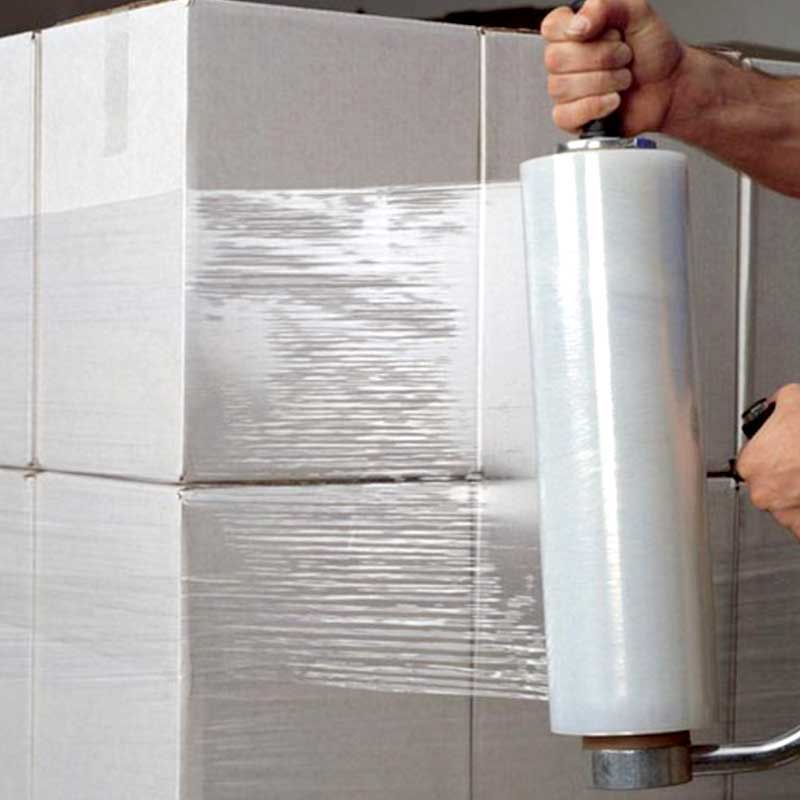
For wrapping needs, choose cost-effective options like:

Balancing Cost and Customer Experience
Reducing packaging costs should never come at the expense of customer satisfaction.
Customers still expect:
- Secure packaging (no leaks or damage)
- Clean and professional presentation
- Easy handling and transport
Using reliable materials like:
- Sugarcane Bowls for hot meals
- Paper Sushi Trays for presentation
- Reusable Carry Bags for premium orders
…ensures that cost savings don’t negatively impact your brand.
Why Smarter Packaging Improves Profit Margins
Efficient packaging strategies don’t just cut costs—they improve overall business performance.
Key benefits:
- Lower shipping expenses
- Reduced product damage and returns
- Faster packing operations
- Better inventory control
Over time, these improvements translate into stronger margins and smoother operations.
Practical Steps to Start Reducing Costs Today
To immediately optimize your packaging:
- Audit your current packaging sizes and materials
- Identify items that are oversized or underutilized
- Switch to multi-purpose packaging options
- Consolidate suppliers and order in bulk
- Test cost-effective alternatives like Sugarcane Containers or Paper Food Tubs
Final Thoughts
Reducing packaging costs in 2026 isn’t about choosing the cheapest option—it’s about making smarter, more strategic decisions. By focusing on right-sizing, material selection, and operational efficiency, businesses can significantly cut expenses while maintaining product quality and brand integrity.
With the right approach and the right packaging solutions from Pakio, you can protect your products, elevate your presentation, and improve your bottom line—all at the same time.