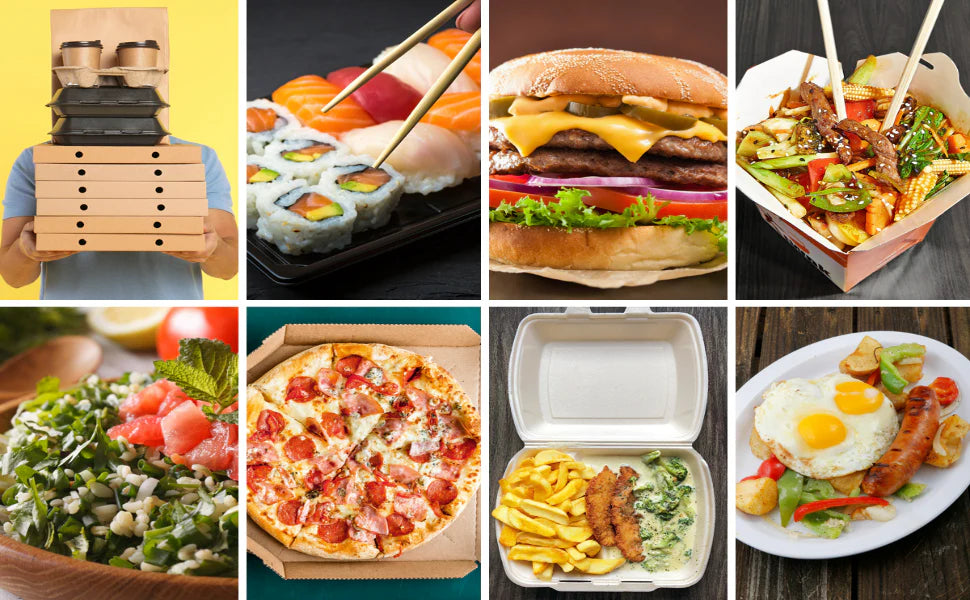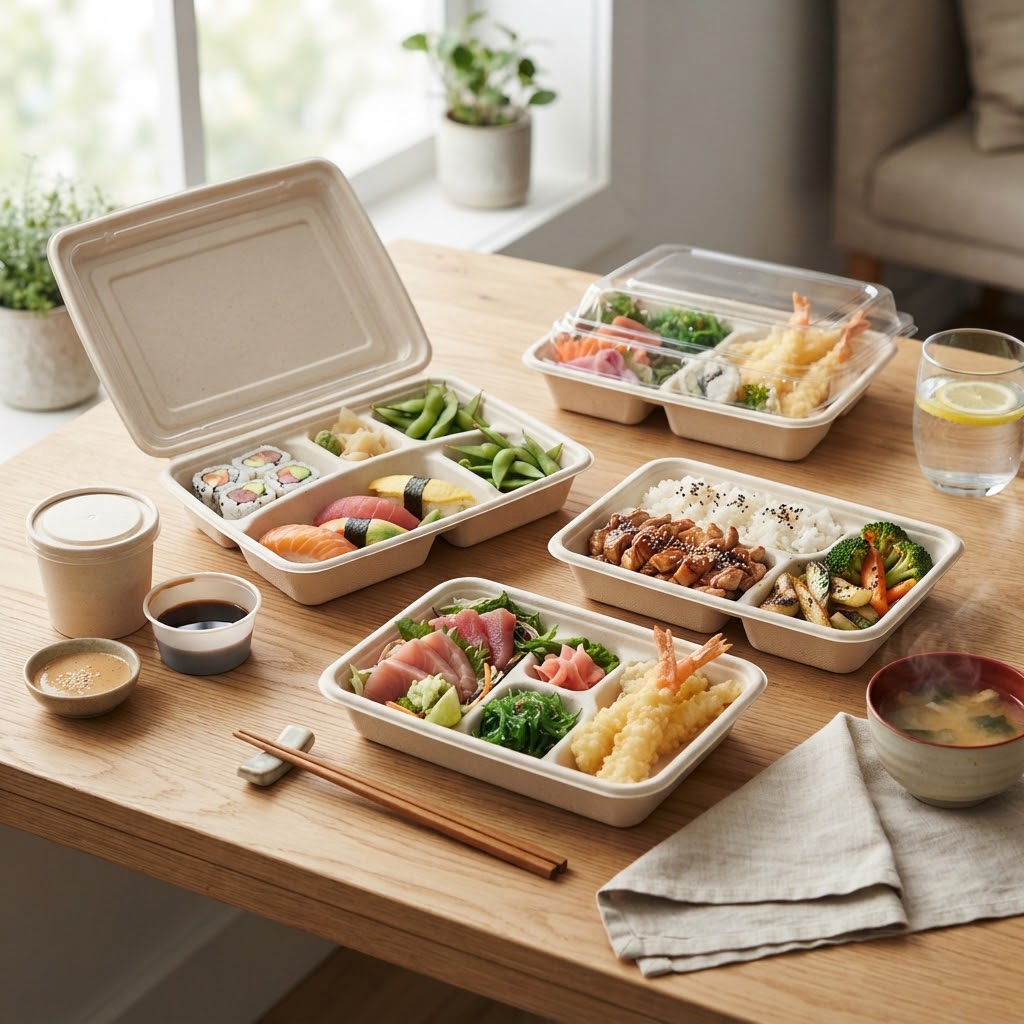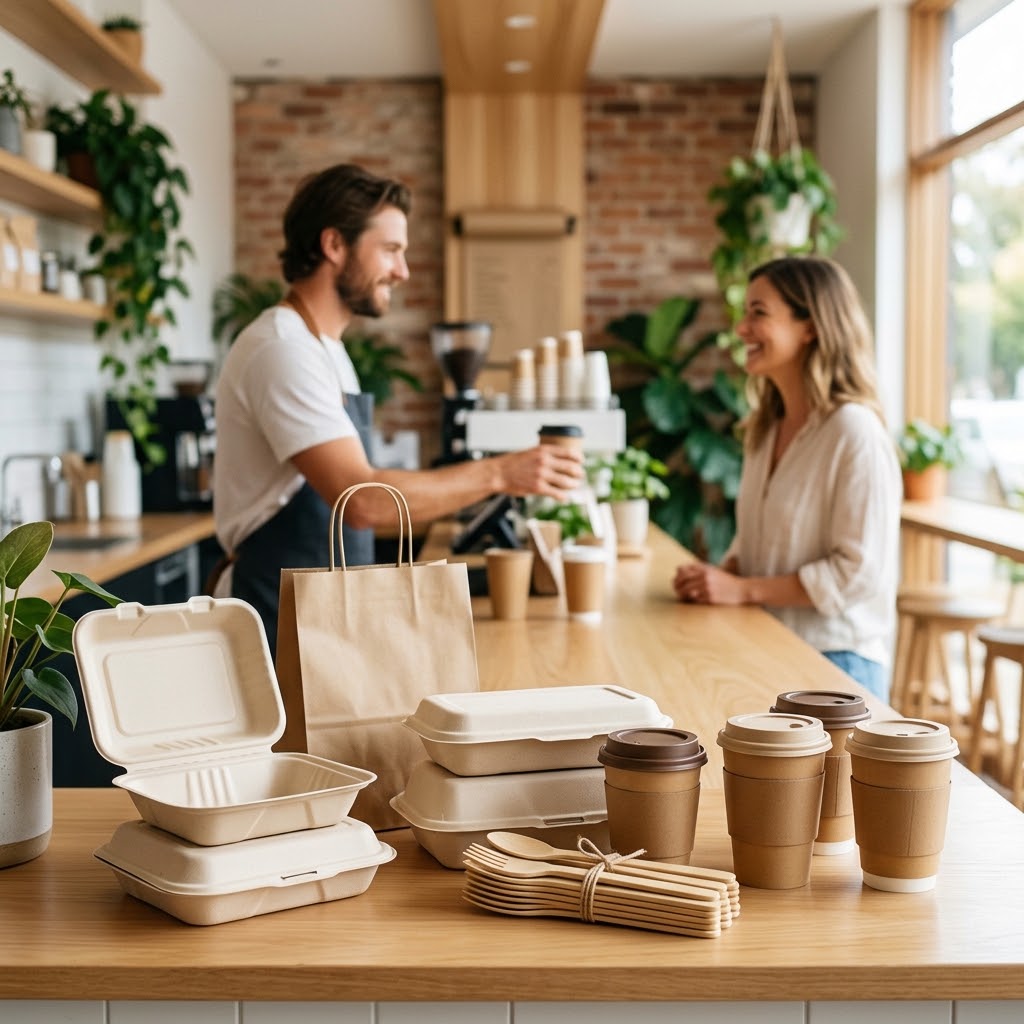



Bento boxes have become the signature format for Japanese restaurants, sushi bars and cafes across Australia
but the packaging holding that carefully arranged rice, protein and pickles is where a surprising number of operators quietly lose money, damage their brand, or fall foul of Australia's compostable packaging standards. Choosing eco friendly packaging Australia diners actually trust isn't as simple as swapping plastic for something that "looks green." This guide breaks down exactly how to get bento box packaging right — the materials, the lids, the compartments, and the certifications — plus the five mistakes we see Japanese food businesses make most often.
Why Bento Box Packaging Deserves More Attention Than It Gets

A bento box does more work than almost any other piece of takeaway packaging. It has to:
- Keep rice moist without going soggy
- Stop soy sauce, teriyaki glaze or dressing from bleeding into other compartments
- Hold its shape when stacked in a delivery bag
- Look genuinely appetising when the lid comes off
- Survive a commute, not just a five-minute walk to a table
For sushi, sashimi, donburi, katsu and mixed bento sets, that's a lot to ask of a single container — which is exactly why choosing between sugarcane, paper and recyclable plastic bento packaging is a real commercial decision, not just a sustainability tick-box.
What "Eco-Friendly" Actually Means for Bento Packaging in Australia
"Eco-friendly," "biodegradable" and "compostable" are not interchangeable, and mislabelling can expose a restaurant to greenwashing complaints. In Australia, the meaningful benchmarks are:
- AS 4736 — the Australian Standard for industrial/commercial compostability
- AS 5810 — the Australian Standard for home compostability
- The Australasian Bioplastics Association (ABA) seedling logo, which verifies a product has actually been tested against one of these standards
A bento base made from sugarcane fibre (bagasse) that carries genuine certification will break down in a commercial composting facility within a defined window. A base that's simply labelled "eco" with no certification behind it may not break down at all in the timeframe claimed — which is the single biggest trap covered in the mistakes section below.
Pakio's certified ranges sit under the Compostable Food Packaging and BioPak Packaging collections, so you can filter for verified options rather than relying on a supplier's marketing copy.
Choosing the Right Base Material for Your Bento Boxes

Sugarcane (Bagasse) — The Default for Hot, Saucy Bento Fillings
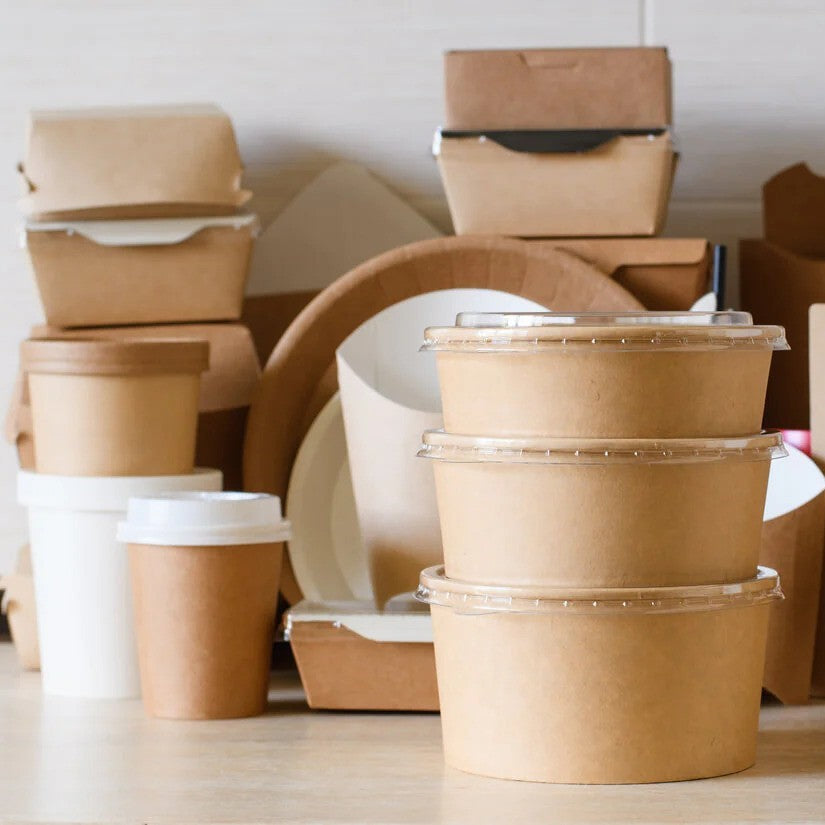
Sugarcane pulp — a by-product of sugar milling — is rigid, naturally greaseproof, and handles hot rice and oily katsu or teriyaki without going limp. It's the material of choice for most Japanese takeaway operators because it performs almost identically to polystyrene without the landfill footprint. Pakio's sugarcane range covers the shapes most bento menus need:
- Sugarcane Clamshells — hinged, single-piece bento-style boxes ideal for mixed sets
- Rectangle Containers and Square Containers — for build-your-own bento or donburi bowls
- Octagonal Containers — a distinctive shape that works well for premium bento sets
- Sushi Trays — purpose-built for maki, nigiri and sashimi compartments within a bento spread
Paper-Based Boxes — Best for Dry or Lightly Sauced Items
Paper and paperboard bento and lunch boxes are lighter, fold flat for storage, and print beautifully for branded takeaway — a genuine advantage if presentation and Instagram-ability matter to your customer base. They're best matched to drier components (tempura, karaage, rice balls) rather than anything swimming in sauce. Pakio's Lunch & Noodle Boxes and Paper Sushi Trays cover this category, and both sit within the broader Paper range.
Recyclable Plastic — Where Visibility and Leak-Proofing Matter Most
Sashimi platters, poke-style bento, and anything a customer wants to see before they open it still benefit from a clear lid. Recyclable rPET options like Sushi & Sandwich Containers and Sho-bowls & Poke Bowls give you that clarity and a genuinely leak-proof seal, without the single-use virgin plastic footprint of older packaging.
Many Japanese restaurants run all three materials side by side — sugarcane for hot mains, clear rPET for sashimi and sushi, paper for dry sides — rather than trying to force one material to do every job.
Getting the Lid Right (This Trips Up More Businesses Than You'd Think)
Lids are sold separately from bases far more often than new buyers expect, and Pakio's product pages list which lid is compatible with which base. Mismatching them causes warped seals, steam build-up, and leaks in transit — all of which land as one-star reviews, not packaging returns.
A few rules of thumb:
- PET (clear plastic) lids suit sugarcane sushi trays and clamshells where you want the contents visible
- CPLA lids — a compostable bioplastic — pair with sugarcane bases when you want a fully compostable system end-to-end (see CPLA Coffee Cup Lids for the material in a related format)
- Bagasse (fibre) lids, found in Pakio's Bagasse Lids range, give a fully fibre-based, plastic-free bento — a strong point of difference for restaurants marketing themselves as zero-waste
If you're unsure, check the specific product listing rather than assuming a lid from one supplier fits a base from another — dimensions vary by a few millimetres between brands, and that's enough to break the seal.
Compartments, Portion Control and Presentation

Bento's whole appeal is separation — rice doesn't touch pickles, sauce doesn't touch tempura batter. When choosing a container, think about:
- Number of compartments relative to your actual menu (a 2-compartment tray under-delivers for a 4-element bento set; a 5-compartment tray is wasted on a simple donburi)
- Sauce and pickle portioning — small Portion & Sauce Cups stop soy sauce or spicy mayo pooling into the main compartment and turning rice soggy by the time it's delivered
- Stack height — flatter trays travel better in delivery bags than tall, top-heavy boxes
Getting this wrong is one of the quieter reasons bento orders come back with complaints about "soggy rice" that actually have nothing to do with the kitchen.
Finishing the Set: Cutlery, Napkins and Carry Bags
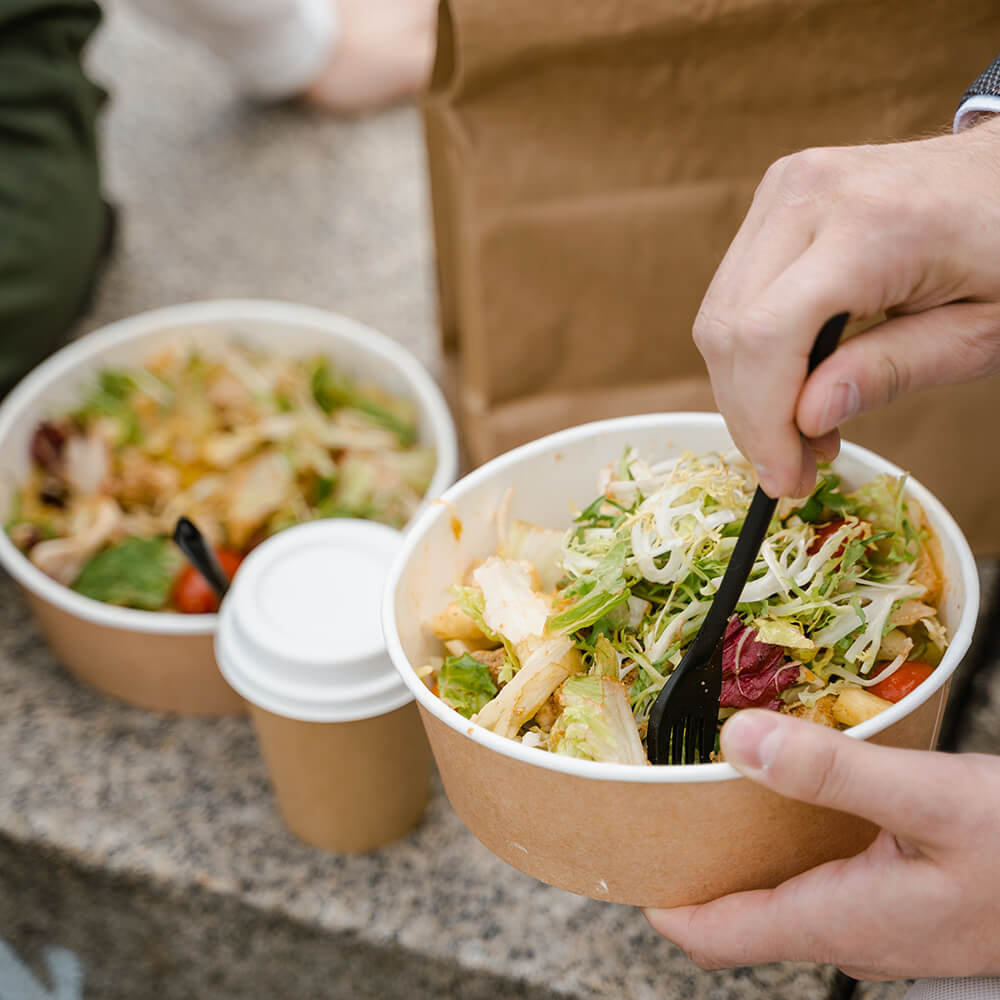
A genuinely eco-friendly bento offer falls apart at the last step if the box is compostable but the chopsticks, napkin or bag aren't. Round out the setup with:
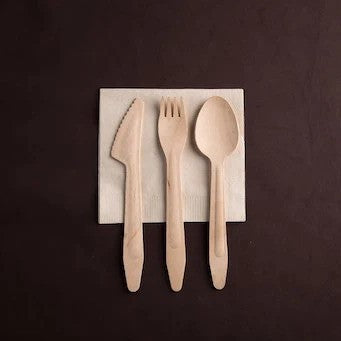
- Wooden Cutlery or chopsticks
- Napkin & Dispenser options
- Bamboo Skewers for skewered items like yakitori included in a bento set
- Greaseproof Paper to line trays before hot items go in
-
Takeaway Carry Bags for delivery and pickup orders
If you're running a Japanese-specific menu more broadly, Pakio's Sushi & Japanese Takeaway Packaging collection groups the full category together.
The 5 Costliest Bento Packaging Mistakes Australian Restaurants Make

1. Buying Non-Certified "Eco" Products
The word "biodegradable" has no enforced legal definition in Australia. A box can technically be biodegradable and still take years to break down, or only compost under conditions no commercial or home facility actually provides. Always check for the AS 4736 or AS 5810 mark, or the ABA seedling logo, before a product goes on your menu as "eco-friendly" — customers increasingly check this themselves, and getting caught out is a reputational hit, not just a compliance one.
2. Mixing Incompatible Plastics Within One Waste Stream
Pairing a compostable sugarcane base with a standard PET lid is common — and fine, as long as staff and customers know the two need to be separated before disposal. Where restaurants get caught out is assuming the whole item is compostable because part of it is, which contaminates commercial composting streams and can result in entire batches being rejected by composting facilities.
3. Wrong Lid Combinations
Covered above, but worth repeating as a standalone mistake: sourcing bases and lids from different suppliers, or different product lines from the same supplier, without confirming dimensional compatibility. The result is steam pooling under an ill-fitting lid, condensation ruining rice texture, or lids that pop open in a delivery bag.
4. Poor Customer Instructions
Compostable packaging only delivers its environmental benefit if it ends up in the right bin. Most councils' kerbside green bins do not accept commercially compostable packaging — it needs an industrial facility. If your compostable bento box ends up in general landfill because no one told the customer, you've paid a premium for packaging with none of the environmental upside. A one-line note on the lid or receipt ("Compostable — please check if your council collects commercial compostables, or return to us for composting") closes this gap.
5. Prioritising Price Over Lifecycle Cost
The cheapest bento box per unit is rarely the cheapest option once you factor in leaks, breakages, customer complaints, and the reputational cost of "eco" packaging that turns out not to be certified. Buying certified stock in bulk from a single wholesale supplier — rather than chasing the lowest unit price across multiple vendors — usually works out cheaper across a full trading year, and it's simpler to manage compatible lids and bases when they come from one place. Pakio's Restaurant Packaging Supplies collection is built around exactly this kind of consolidated, wholesale-priced ordering.
Why Australian Japanese Restaurants Choose Pakio for Bento Packaging
Pakio stocks certified sugarcane, paper and recyclable plastic bento formats side by side, so you're not forced to compromise on material for the sake of a single supplier relationship. A few reasons operators consolidate their bento packaging with Pakio specifically:
- Certified compostable ranges clearly marked against AS 4736 and AS 5810, so front-of-house staff can confidently answer customer questions
- Compatible base-and-lid pairings listed on each product page, removing the guesswork covered in Mistake #3
- Wholesale pricing across 3,000+ SKUs, so bento boxes, cutlery, napkins and bags can all be ordered in one place
- Custom-printed options through Custom Design for restaurants that want branded bento lids or sleeves
- 100% Australian-owned, with next-business-day delivery to the Melbourne metro area
If your menu leans more heavily into sushi and poke than boxed bento sets, our companion guide — Sushi & Poke Bowl Packaging Guide — goes deeper into tray and lid selection for that format specifically. And if you want the full breakdown of certification pitfalls across all packaging categories, see The 5 Biggest Mistakes Businesses Make When Switching to Eco-Friendly Packaging in Australia.
Frequently Asked Questions
What is the most eco-friendly material for bento box packaging in Australia?
Certified sugarcane (bagasse) is generally the strongest all-round choice for hot, saucy bento fillings — it's rigid, naturally greaseproof, and, when certified to AS 4736, fully compostable in commercial facilities. Paper-based boxes suit drier items, while recyclable rPET is best where a clear, leak-proof lid matters most, such as sashimi or poke-style bento.
Are compostable bento boxes the same as biodegradable ones?
No. "Biodegradable" isn't a regulated term in Australia and gives no guarantee of a defined breakdown timeframe. "Compostable" packaging certified against AS 4736 (commercial) or AS 5810 (home) has been independently tested to break down within a set period under specific conditions — look for the ABA seedling logo as proof.
Can compostable bento boxes go in a normal council green bin?
Usually not. Most Australian kerbside organics bins are designed for garden and food waste, not commercially compostable packaging, which typically needs an industrial composting facility. Restaurants should tell customers this clearly rather than assuming standard council recycling or green-waste systems will handle it.
Do I need different lids for hot and cold bento items?
Not necessarily different lids, but different lid materials. PET or clear rPET lids handle cold items like sashimi well but can warp or fog with hot rice or sauce. CPLA or bagasse lids are better suited to hot bento components and can be composted alongside a sugarcane base.
How do I stop sauce leaking between bento compartments?
Use a multi-compartment tray sized to your actual menu, and portion sauces, dressings or pickled sides into separate small sauce cups rather than pouring them directly into a shared compartment. This also improves presentation when the lid comes off.