






How to Ship Smarter: Packaging Tips Every Australian eCommerce Seller Needs
Running an online store in Australia means every parcel you send carries more than just a product — it carries your reputation. The way an order arrives shapes how a customer feels about your brand, whether they leave a review, and whether they come back for a second purchase.
Shipping packaging sits at the intersection of cost control and customer experience. Get it right, and you protect your margins while building loyalty. This guide walks through the practical decisions that make the difference: sizing your boxes, choosing protective materials, cutting unnecessary shipping spend, and turning the unboxing moment into a marketing opportunity.
Understanding Dimensional Weight: Why Box Size Affects Your Shipping Bill
Most Australian carriers — including Australia Post, Sendle, and major couriers — calculate shipping charges based on whichever is greater: actual weight or dimensional weight (also called volumetric weight).
Dimensional weight is calculated by multiplying the length × width × height of a package, then dividing by a carrier-specific factor (typically 5,000 for domestic shipments). If your 500g product ships in a box that calculates to 2kg dimensional weight, you pay for the 2kg rate.
What This Means in Practice
|
Scenario |
Box Size (cm) |
DIM Weight |
Actual Weight |
Charged Weight |
|
Oversized box |
40 × 30 × 25 |
6.0 kg |
0.8 kg |
6.0 kg |
|
Right-sized box |
25 × 20 × 15 |
1.5 kg |
0.8 kg |
1.5 kg |
|
Snug-fit mailer |
30 × 22 × 5 |
0.66 kg |
0.8 kg |
0.8 kg |
The difference between the first and third option on a Melbourne-to-Sydney route can be $4–$8 per parcel. For a business shipping 200 orders per month, that adds up to $800–$1,600 in avoidable costs every month.
How to Optimise
-
Measure your top-selling products and identify 3–5 box sizes that cover 80% of your orders
-
Use satchels and mailers for flat, lightweight items instead of rigid boxes
-
Avoid "one size fits all" boxes — a single large box used for every order almost guarantees you're paying for empty space on most shipments
Choosing the Right Packaging Materials
Every product has different protection needs during transit. The goal is matching the level of protection to the fragility and value of the item — not over-packaging (which wastes money) or under-packaging (which leads to damage claims and refunds).
Rigid vs. Flexible Packaging
Corrugated boxes work best for:
-
Items that need structural protection (ceramics, electronics, glass)
-
Heavy products that could puncture a satchel
-
Multi-item orders that need internal organisation
Poly mailers and satchels work best for:
-
Soft goods (clothing, fabric, accessories)
-
Flat items (books, prints, stationery)
-
Lightweight products under 1kg
Padded mailers bridge the gap — offering some cushioning for moderately fragile items like cosmetics, phone cases, or small electronics.
Internal Protection: Void Fill Options
When a product sits inside a box with empty space around it, that void needs to be filled. Otherwise, the item shifts during transit, increasing the chance of impact damage.
|
Material |
Best For |
Considerations |
|
Bubble wrap |
Fragile items, glass, ceramics |
Excellent cushioning; recyclable options available |
|
Crinkle-cut paper |
Light to medium items |
Aesthetic appeal; fully recyclable |
|
Air pillows |
Filling large voids quickly |
Lightweight; keeps DIM weight low |
|
Foam inserts |
High-value electronics |
Maximum protection; higher cost per unit |
|
Corrugated inserts |
Bottles, jars, multi-packs |
Custom fit; stackable |
The right approach often combines two materials — for example, wrapping a fragile item in bubble wrap and using crinkle paper to fill remaining space.
Preventing Shipping Damage: Common Causes and Solutions
Damage during transit is one of the most expensive problems in eCommerce. Beyond the direct cost of the replacement product, there's the shipping cost for the re-send, the customer service time, and the reputational risk of a negative review.
The Five Most Common Causes of Transit Damage
1. Insufficient cushioning
Products packed directly against box walls absorb impacts during handling. A minimum of 5cm of cushioning material on all sides gives the product room to decelerate during drops and bumps.
2. Oversized boxes without void fill
An item rattling inside a large box will find the weakest corner. If you're using a box larger than necessary, fill every gap — or switch to a smaller box.
3. Weak box material
Single-wall corrugated board handles items up to about 10kg. Heavier items or fragile products benefit from double-wall board. For lightweight items, the box mainly needs to prevent punctures rather than absorb heavy impacts.
4. Poor sealing
Two strips of quality packaging tape along the centre seam is the minimum. For heavier items, add tape along the side seams (the H-tape method). Avoid masking tape, duct tape, or string — carriers may refuse packages or they may open during transit.
5. No "fragile" or "this way up" indicators
While carriers don't guarantee special handling, clear labelling does reduce the likelihood of rough handling. It's a low-cost, low-effort step with measurable benefits.
The Shake Test
Before sealing a package, pick it up and shake it firmly. If you can hear or feel the product moving inside, add more cushioning. This 10-second check catches most packaging failures before they leave your warehouse.
Reducing Shipping Costs Without Cutting Corners
Shipping is typically the second or third largest expense for Australian eCommerce businesses, after product costs and sometimes marketing. Here are strategies that reduce the bill without compromising the customer experience.
1. Standardise Your Box Sizes
Carrying 3–5 standard box sizes covers most product ranges. Standardisation means:
-
Bulk purchasing discounts from packaging suppliers
-
Faster packing times (staff don't hunt for the right box)
-
More predictable shipping costs (easier to quote accurate rates at checkout)
2. Switch to Lightweight Materials Where Possible
Every gram of packaging weight adds to shipping costs. Consider:
-
Replacing heavy void fill (such as packing peanuts) with air pillows
-
Using eco-friendly paper bags for non-fragile items instead of boxes
-
Choosing single-wall board for items under 5kg that don't need extra rigidity
3. Negotiate Carrier Rates
Most carriers offer volume discounts once you exceed a certain monthly threshold. If you're shipping more than 100 parcels per month:
-
Request a custom rate card from your current carrier
-
Compare rates across 2–3 carriers for your most common routes and parcel sizes
-
Consider aggregator platforms (like Sendle, ShipStation, or StarShipIT) that pool volume for better rates
4. Offer Flat-Rate Shipping Tiers
Instead of calculating exact shipping for every order, flat-rate tiers simplify your checkout and can absorb cost variations:
-
Small items (under 500g): flat rate $8.95
-
Medium items (500g–3kg): flat rate $12.95
-
Free shipping over a set threshold (e.g., $99)
The free shipping threshold also serves as an effective upsell mechanism.
5. Ship from the Right Location
If your customers are spread across multiple states, a single warehouse in one city means long-distance rates for many orders. Options include:
-
Using a 3PL (third-party logistics) provider with multiple fulfilment centres
-
Stocking your top 20% of products in a second location closer to your highest-volume customers
The Unboxing Experience: Turning Packaging into Marketing
The unboxing moment is the first physical touchpoint between your brand and your customer. In a market where unboxing videos generate millions of views, this moment carries real marketing value.
Elements That Elevate the Experience
Branded tissue paper or wrapping
Even a simple layer of tissue paper with your logo creates a sense of care. It signals that the product was packed with attention, not thrown into a box.
A thank-you card or insert
A small printed card — thanking the customer, including care instructions, or offering a discount code for their next purchase — costs cents to produce and directly drives repeat business.
Clean, intentional presentation
Products should sit neatly inside the box, with protective materials arranged (not stuffed) around them. The visual impression when the box opens matters.
Sustainable materials
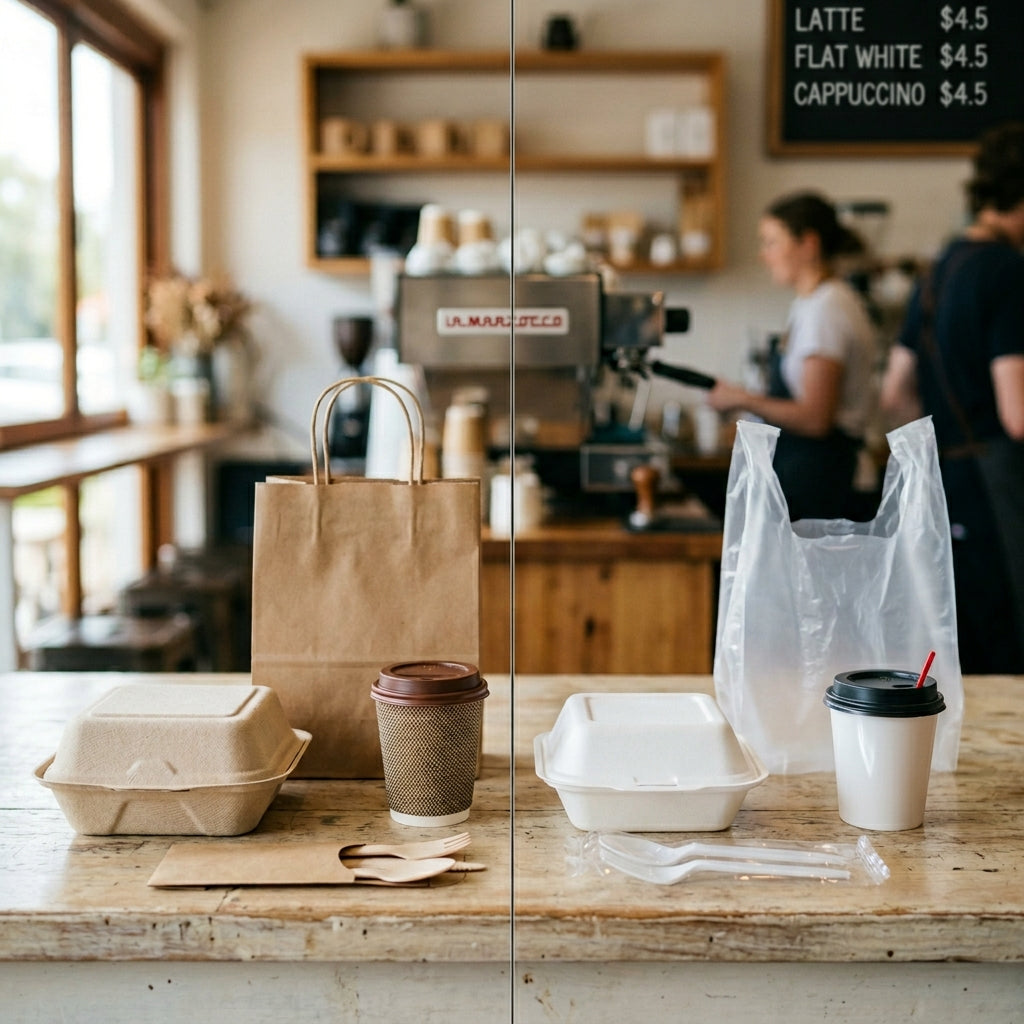
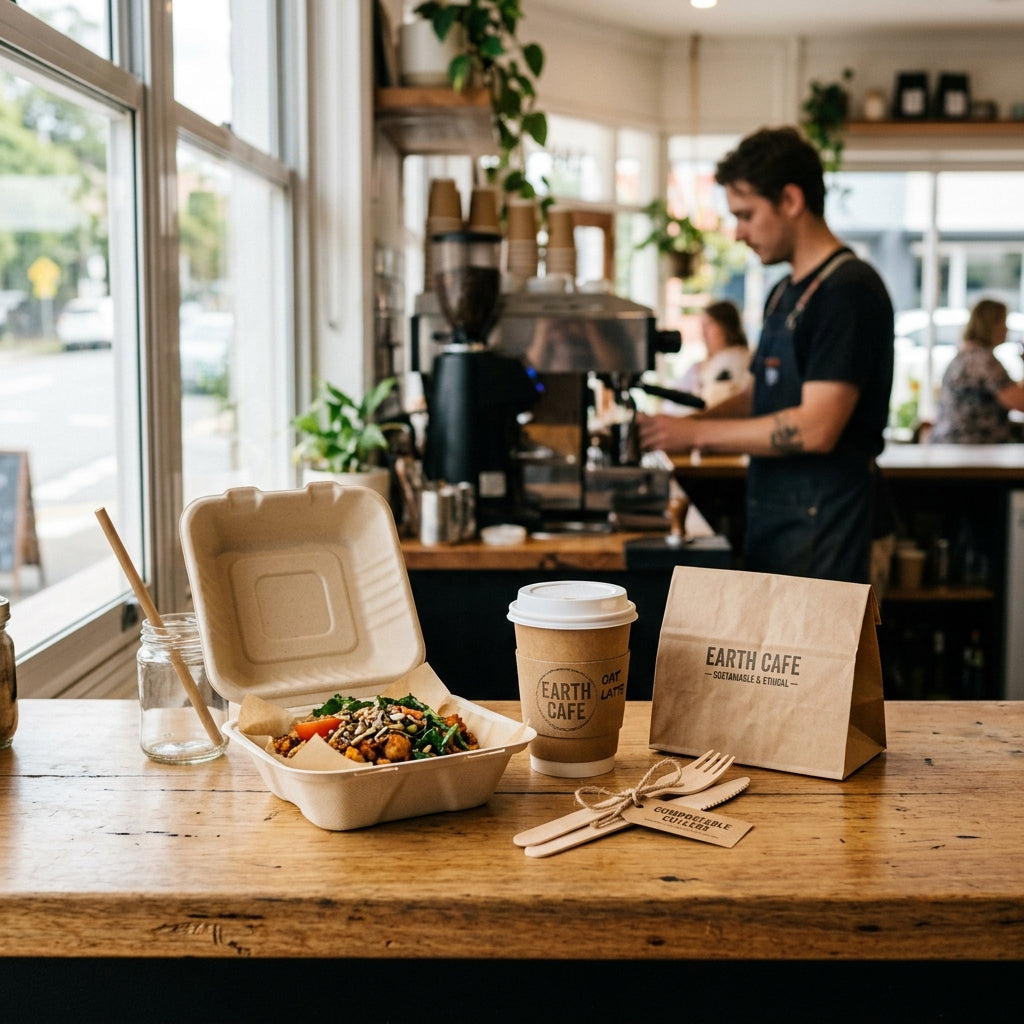
Australian consumers are increasingly conscious of packaging waste. Using recyclable or compostable packaging materials isn't just an environmental choice — it's a brand positioning decision that resonates with a growing segment of the market.
What to Avoid
-
Excessive packaging that feels wasteful (layers of plastic wrap around a t-shirt)
-
Branding that obscures practical information (return instructions buried under marketing material)
-
Packaging that's difficult to open (customers shouldn't need scissors for a satchel)
Sustainable Shipping: Meeting Customer Expectations
Sustainability in packaging has shifted from a "nice to have" to a baseline expectation for many Australian online shoppers. The 2025 National Packaging Targets set by APCO (Australian Packaging Covenant Organisation) push for 100% of packaging to be reusable, recyclable, or compostable by 2025 — a target that continues to shape industry standards.
Practical Steps Toward Sustainable Shipping
1. Right-size your packaging
The most sustainable packaging is less packaging. A smaller box means less material produced, less void fill needed, and a lighter parcel that uses less fuel in transit.
2. Choose recyclable materials
Corrugated cardboard is one of the most widely recycled materials in Australia (over 87% recovery rate). Paper-based void fill, paper bags, and cardboard inserts all enter existing recycling streams.
3. Minimise plastic
Replace plastic tape with paper tape. Swap plastic air pillows for honeycomb paper wrap. Use paper mailers instead of poly mailers for suitable items.
4. Communicate your choices
A simple line printed on the box — "This box is made from 100% recyclable materials" — or a note in your packing slip explaining your sustainability efforts helps customers see the value in your choices.
Balancing Cost and Sustainability
Sustainable materials sometimes carry a small premium. However, when factored against reduced dimensional weight (lighter materials), lower damage rates (better-fitted packaging), and customer goodwill (repeat purchases, positive reviews), the investment often pays for itself.
Building Your Shipping Packaging System: A Step-by-Step Approach
Rather than overhauling everything at once, a structured approach delivers results without disrupting operations.

Step 1: Audit Your Current Packaging
-
List every box size, mailer, and protective material you currently use
-
Calculate how much void fill each product requires in your current boxes
-
Review your damage claim rate for the past 3–6 months
Step 2: Identify Quick Wins
-
Switch your top 5 products to right-sized packaging
-
Replace the single largest box with a smaller alternative
-
Add one protective material (like bubble wrap or crinkle paper) to reduce your highest-damage product's breakage rate
Step 3: Negotiate and Source
-
Request quotes from packaging suppliers for your new standard sizes
-
Compare prices for bulk orders vs. smaller runs
-
Consider suppliers who offer fast shipping — running out of packaging materials during a busy period costs more than the packaging itself
Step 4: Test and Measure
-
Ship 50–100 orders with your new packaging system
-
Track damage rates, shipping costs, and any customer feedback mentioning packaging
-
Adjust box sizes or materials based on real results
Step 5: Document Your Standards
Create a simple packaging guide for your team:
-
Which box or mailer for each product
-
How much cushioning to add
-
How to seal and label each package
-
Where to place inserts or branded materials
This documentation is especially valuable during peak seasons (Black Friday, Christmas) when temporary staff join your packing line.
Key Takeaways
Shipping packaging directly affects three things that matter to every eCommerce business: cost, customer satisfaction, and brand perception.
The most effective approach combines practical cost-saving measures — right-sizing boxes, optimising materials, negotiating carrier rates — with thoughtful touches that turn a delivery into an experience customers remember.
Australian eCommerce is competitive, and the margins between a customer who reorders and one who doesn't can come down to how their last order arrived. Smart packaging decisions are one of the few areas where reducing costs and improving quality happen simultaneously.
*Looking for packaging materials that match your shipping needs? Browse Pakio's full range of boxes, mailers, bubble wrap, and eco-friendly packaging — with fast delivery across Australia and wholesale pricing for businesses.*