

Reduce Disposable Waste Without Compromising Hygiene
Sustainability isn’t just a trend in 2026 — it’s becoming an expectation for cafés, restaurants, food trucks, and catering businesses across Australia. Customers increasingly choose businesses that actively reduce plastic and disposable waste while maintaining hygiene and food safety standards.
For many local food businesses, the challenge is balancing eco-friendly practices with operational efficiency. The good news? Zero-waste packaging doesn’t mean removing packaging altogether — it’s about smarter materials, better portioning, and encouraging reusable habits.
Here’s a practical guide to zero-waste packaging ideas that help your business save waste, stay compliant, and appeal to eco-conscious customers.
1. Switch to Compostable Food Containers
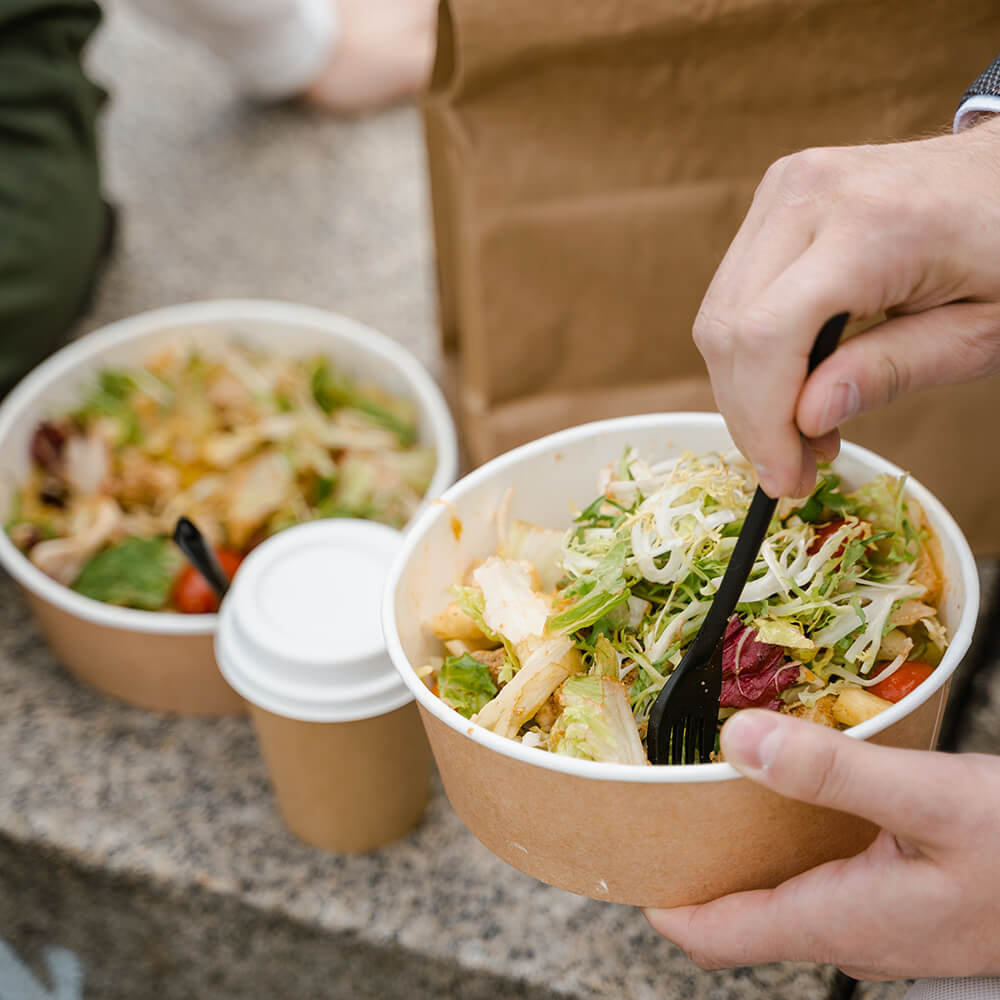
Takeaway containers are one of the biggest contributors to disposable waste. Moving from plastic to compostable containers can drastically reduce your environmental footprint.
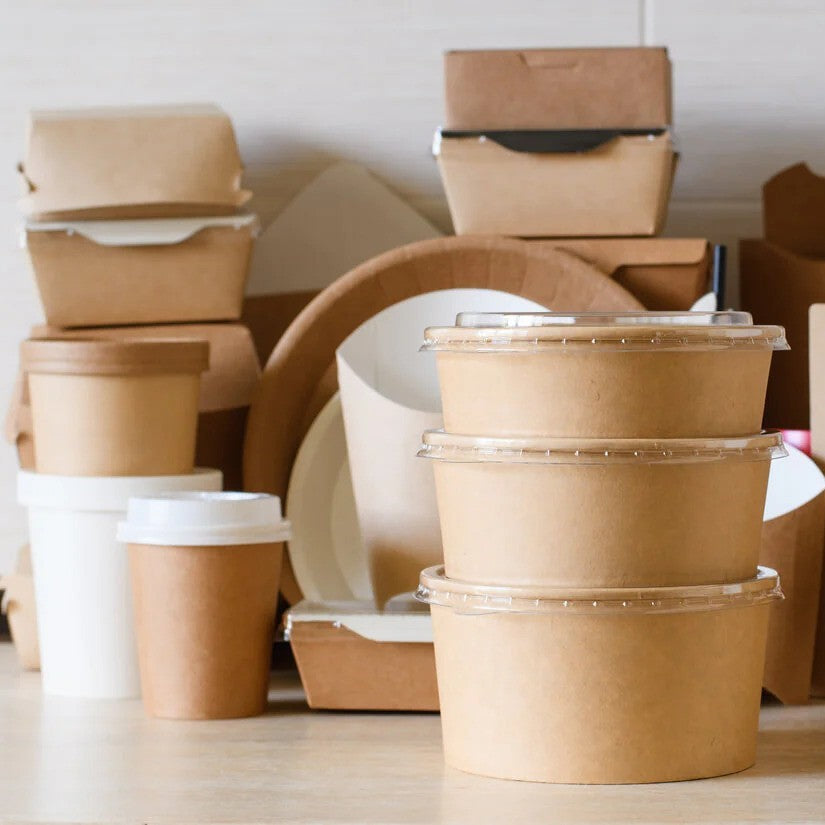
Compostable materials like our sugarcane containers and paper food packaging are:
- Heat resistant for hot meals
- Leak-resistant and grease-proof
- Food-grade certified
For example, our Sugarcane Containers provide durability for hot and saucy dishes, while breaking down naturally after disposal. Paper packaging is perfect for lighter meals like sandwiches and wraps.

By choosing compostable options, your business can reduce landfill contribution without sacrificing quality or hygiene.
2. Upgrade Beverage Packaging
Coffee cups are one of the highest-volume items in cafés, which also makes them a major source of waste. Switching to eco-friendly alternatives can make a big impact.
- Single Wall Coffee Cups are ideal for quick service.
- Double Wall Coffee Cups provide insulation for customers on the go.
· Our Sustainable PLA-Coated Food Packaging or aqueous-lined options improve compostability without compromising leak resistance—offering safe and environmentally friendly choices that are food-grade, non-toxic, and designed to reduce long-term environmental impact.

By upgrading your coffee cups and lids, you maintain hygiene standards while supporting sustainability and reducing environmental impact.
3. Replace Plastic Straws and Cutlery
Single-use plastic straws and cutlery are highly visible waste items. Customers notice them, and many actively prefer businesses that offer sustainable alternatives.
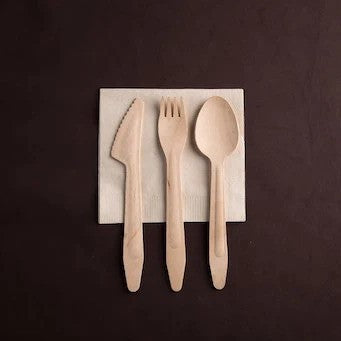
Opt for Paper & Bamboo Straws and compostable cutlery. These items:
- Reduce plastic waste
- Comply with Australian food safety regulations
- Strengthen eco-conscious brand image
Even small changes like this signal to customers that your business prioritizes the environment.
4. Reduce Over-Packaging
Zero-waste isn’t just about materials — it’s also about quantity. Over-packaging unnecessarily increases waste, cost, and environmental impact.
Ask yourself:
- Does every order require double bagging?
- Are container sizes appropriate for the meal portion?
- Are sauce cups mandatory for every order?
Using the right-sized our Rectangle Containers helps reduce excess materials while maintaining hygiene and convenience.
5. Encourage Reusable Habits
Zero-waste is most effective when customers participate. Encourage them by:
- Offering discounts for BYO coffee cups
- Rewarding reusable food containers
- Providing Reusable Carry Bags as an alternative to single-use plastic
This approach reduces long-term disposable use while building brand loyalty and positioning your business as environmentally responsible.
6. Maintain Hygiene While Going Zero-Waste
A common concern is whether sustainable packaging meets food safety standards. Modern compostable and recyclable packaging is designed to be:
- Food-grade compliant
- Heat and grease resistant
- Leak-proof and durable
With proper sourcing from trusted suppliers like Pakio, your business can adopt zero-waste practices without compromising hygiene or safety standards.
7. Why Zero-Waste Packaging Matters in 2026
Adopting zero-waste practices isn’t just environmentally responsible — it’s a competitive advantage. Businesses that implement sustainable packaging:
- Gain customer trust and loyalty
- Align with Australian plastic and waste regulations
- Increase perceived brand value
- Generate positive reviews from eco-conscious consumers
Search trends show rising interest in zero-waste packaging and eco-friendly cafés, making it the right time to invest in sustainable practices.
Start Small and Scale Strategically
You don’t need to change everything overnight. Begin with:
- Compostable food containers
- Eco coffee cups
- Paper or bamboo straws
- Right-sized takeaway containers
Gradual implementation creates long-term operational and environmental benefits.
For businesses ready to make the change, explore Pakio’s range of eco-friendly food containers, coffee cups, straws, and reusable bags to start reducing waste today.

📌 SEO FAQ Section
Q: Are compostable containers suitable for hot meals?
A: Yes. Containers like Sugarcane Containers and paper boxes handle hot, greasy foods while remaining leak-proof and food-safe.
Q: What is zero-waste packaging for food businesses?
A: Zero-waste packaging focuses on reducing disposable waste by using materials that are recyclable, compostable, or reusable, such as Sugarcane Containers, paper straws, and eco coffee cups.
Q: Which types of eco coffee cups can food businesses use?
A: Businesses can choose Single Wall Coffee Cups for fast service or Double Wall Coffee Cups for extra insulation. Lids and PLA options support compostability.
Q: How can I reduce packaging waste without sacrificing hygiene?
A: Select compostable containers, eco straws, and right-sized Rectangle Containers, and avoid unnecessary double bagging or automatic add-ons.
Q: Can reusable packaging help cut waste?
A: Yes. Encourage BYO cups and containers and offer Reusable Carry Bags to reduce single-use items.
Q: What’s the difference between recyclable and compostable packaging?
A: Recyclable packaging can be processed into new materials, while compostable items like sugarcane containers break down naturally in composting environments. Both reduce landfill impact when disposed of properly.