


Walk into any Melbourne cafe, and you'll see labels like 'eco-friendly,' 'biodegradable,' and 'green' plastered all over takeaway cups and food containers. But when you actually pick up a cup labeled 'eco-friendly' and flip it over to check the ingredients, you might be surprised to find: its inner wall is still coated with a layer of plastic film.
This is what's known as 'greenwashing'—using vague environmental claims to mask a product's true environmental impact. For cafe and restaurant owners in 2025, choosing a packaging supplier is no longer a simple price comparison, but a test of integrity, compliance, and brand values.
What is Truly 'Sustainable Packaging'?
In Australia, genuinely sustainable packaging must meet clear standards. The most common certifications are AS 4736 (industrial composting standard) and AS 5810 (home composting standard). This means the product can completely break down into organic matter within a specified time under specific conditions, leaving no harmful residues.
However, many products marketed as 'biodegradable' simply have additives mixed into traditional plastics that cause them to 'fragment' into smaller plastic particles, rather than truly decompose. These microplastics eventually enter soil and water sources, causing more insidious pollution.
Sugarcane Bagasse vs Plastic-Lined Paper: An Unfair Comparison
Let's take takeaway food containers as an example. Traditional paper food boxes are usually coated with a layer of PE (polyethylene) plastic film on the inside for water and oil resistance. While this design is practical, it can neither be recycled (because paper and plastic are difficult to separate) nor composted (because plastic doesn't decompose).
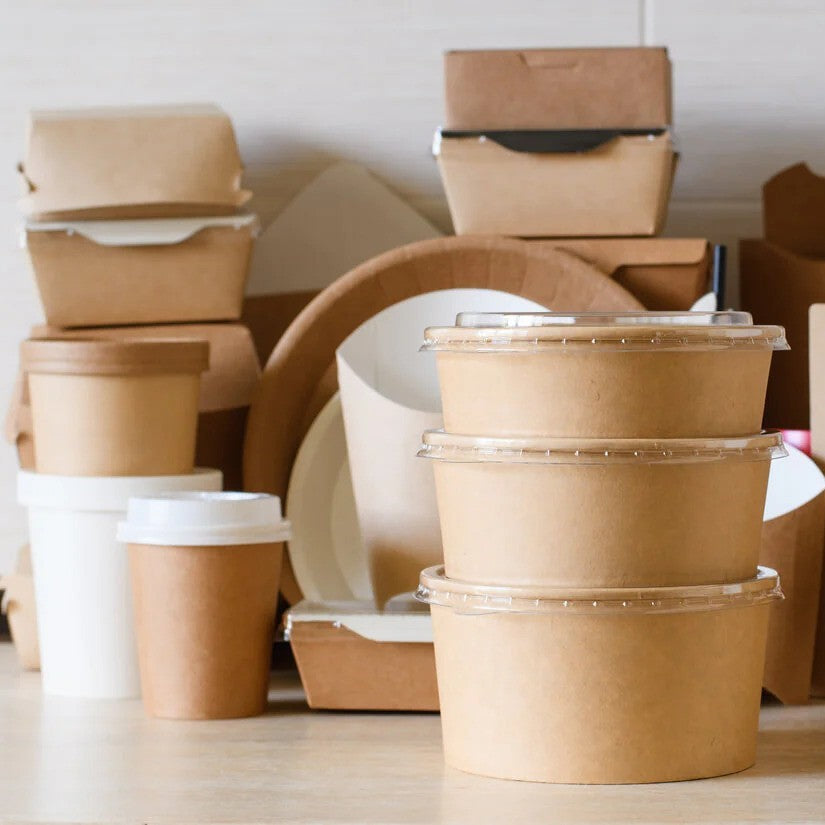
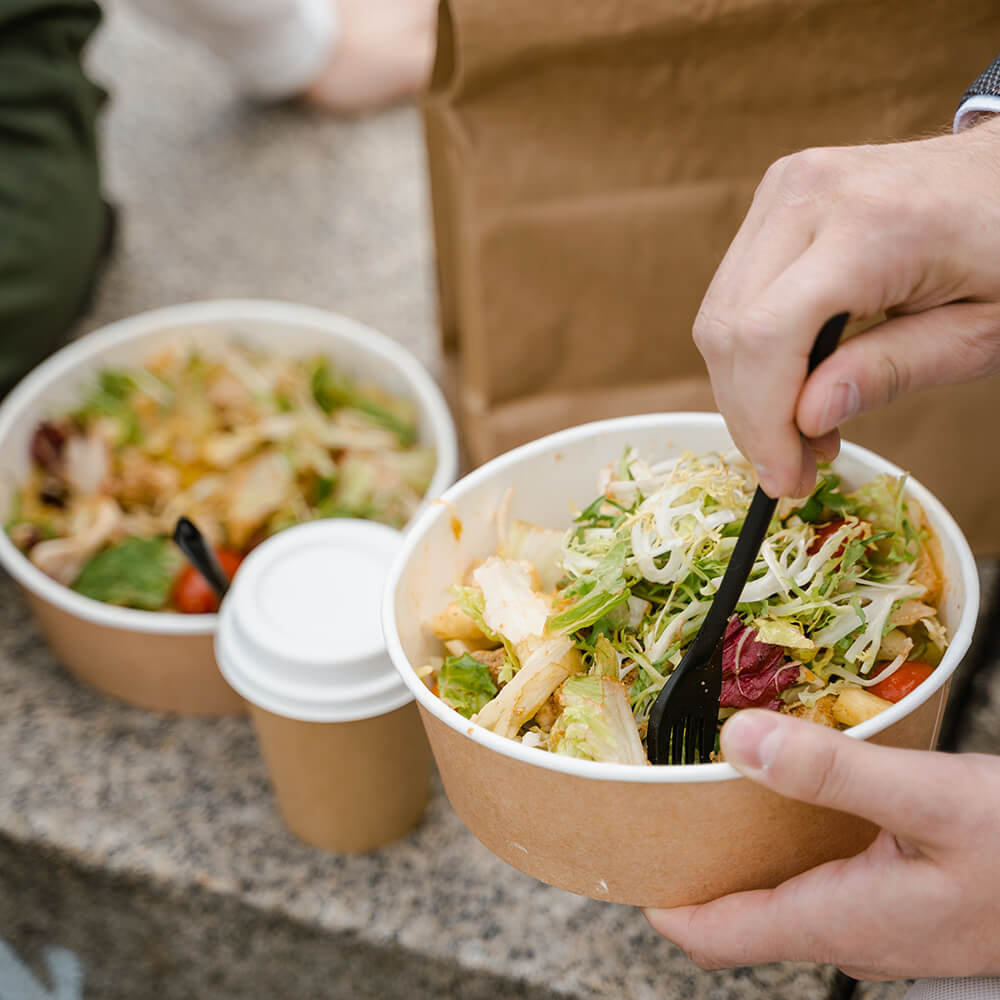
In contrast, sugarcane takeaway containers are made from the fibrous waste left after sugarcane juice extraction. This material naturally has some water resistance, requiring no additional plastic coating. In industrial composting facilities, it can completely decompose within 90 days, returning to the natural cycle. More importantly, it transforms agricultural waste that would otherwise be burned or landfilled into valuable products, truly achieving a circular economy.

The Truth About Coffee Cups: Not All Paper Cups Are Equal
Coffee cups are another disaster zone for greenwashing. Many cafes use so-called 'paper cups' that are actually paper-plastic composite materials. These cups are almost impossible to process in Australia's recycling system and ultimately end up in landfills.
If you genuinely want to contribute to the environment, consider two approaches:
-
Encourage customers to bring their own cups: Offer discounts or loyalty points to cultivate a reusable culture.
-
Choose truly compostable paper cups: While options are currently limited, as technology advances, more and more coffee cups meeting AS 4736 standards are emerging. Meanwhile, you can also choose cheap paper coffee cups and reduce environmental impact by educating customers on proper recycling methods.
How to Identify Greenwashing?
As a cafe owner, you don't have time to research the chemical composition of every packaging product. But there are a few simple methods to help you quickly identify:
-
Look for certification marks: Search for AS 4736, AS 5810, or other internationally recognized composting certifications.
-
Ask your supplier: Request third-party test reports, rather than relying solely on marketing claims.
-
Touch and observe: Genuine sugarcane bagasse products usually have obvious fiber texture, while plastic-lined paper is smooth with a slight plastic feel.
-
Choose transparent suppliers: Companies like Pakio clearly label material composition and certification information on product pages, rather than using vague 'eco-friendly' terms.
Sustainable Packaging Doesn't Equal Expensive
Many cafe owners worry that choosing genuinely sustainable packaging will significantly increase costs. But the reality is, with technological advances and scaled production, materials like sugarcane bagasse are becoming increasingly price-competitive with traditional plastic products.
More importantly, investing in sustainable packaging is a brand investment. In 2025, more and more Australian consumers are willing to pay for environmental responsibility. When your competitors are still using plastic-lined food boxes, your [AU] eco-friendly paper bags and compostable containers will become a unique selling point that attracts customers.
Conclusion
In this age of information overload, 'eco-friendly' has become an overused term. As cafe and restaurant operators, you have a responsibility to provide genuinely sustainable choices for your customers, rather than participating in the greenwashing game.
Choosing transparent, honest suppliers like Pakio is not just environmental responsibility—it's responsibility to your brand and your customers. In 2025, let's say goodbye to false environmental claims and embrace a genuinely sustainable future.