


The Complete Bubble Wrap Buying Guide for Australian Businesses (2026)
Whether you ship ten parcels a week or ten thousand, the packaging material you choose directly affects your bottom line. Bubble wrap remains one of the most trusted protective packaging solutions worldwide, yet many Australian businesses still pick the wrong type, the wrong size, or pay more than they need to.
This guide walks you through every decision point: the different types of bubble wrap available, how to match bubble size and roll width to your products, which options suit specific industries, and how to buy smarter in bulk. By the end, you will know exactly what to order, how much you need, and where to find competitive pricing with fast delivery across Australia.
At Pakio, we have spent years helping businesses across Melbourne and beyond find the right packaging for their operations. With over 2,000 products in stock and lightning-fast shipping, we understand that getting the right bubble wrap is not just about protection; it is about efficiency, cost control, and keeping your customers happy.
Why Bubble Wrap Still Matters in 2026
In an era of air pillows, foam inserts, and paper-based alternatives, you might wonder whether traditional bubble wrap still deserves a place in your packaging workflow. The answer, for most businesses, is a clear yes.
Bubble wrap provides a unique combination of cushioning, flexibility, and affordability that other materials struggle to match. Air pillows work well for void fill but offer limited surface protection. Foam is excellent for custom moulds but adds significant cost at scale. Paper-based wraps are gaining ground on the sustainability front, yet they cannot absorb impact the way an air-filled bubble can.
For Australian businesses shipping fragile goods domestically or internationally, bubble wrap delivers reliable protection without overcomplicating your packing process. It conforms to irregular shapes, adds minimal weight to parcels, and works across temperature ranges that would compromise some alternatives.
The packaging industry continues to evolve, and bubble wrap has evolved with it. Today you can source recycled-content rolls, biodegradable formulations, and anti-static varieties designed for sensitive electronics. The material you remember from childhood has grown into a sophisticated product family with options for virtually every protection scenario.
Understanding what is available, and what actually suits your needs, is the first step toward smarter packaging decisions. Learn more about our approach to packaging solutions.
Bubble Wrap Types Explained
Not all bubble wrap is created equal. Each type is engineered for different protection needs, and choosing the right one can mean the difference between a product arriving intact and a costly damage claim. Here are the eight main types you will encounter in the Australian market.
Small Bubble (10mm Diameter)
Small bubble wrap features tightly packed air pockets approximately 10 millimetres across. This is the most common variety and the go-to choice for wrapping lightweight, delicate items such as glassware, picture frames, small electronics accessories, and jewellery. The smaller bubbles create a smoother surface and more contact points with the item, which helps prevent surface scratches and minor impacts during transit.
Best for: e-commerce parcels, retail packaging, surface-sensitive items, gap filling around small products.
Large Bubble (20mm Diameter)
Large bubble wrap uses 20-millimetre air pockets that provide significantly more cushioning per layer. The bigger air chambers absorb heavier impacts, making this type ideal for items with more weight or rigid surfaces that need shock absorption rather than surface protection.
Best for: heavier items like small appliances, bottles, automotive parts, and medium-sized electronics. If your products weigh more than one kilogram individually, large bubble is usually the better starting point.
P32 Extra-Large Bubble (32mm Diameter)
P32 bubble wrap represents the heavy-duty end of the spectrum. With 32-millimetre bubbles, each air pocket holds substantially more air, providing maximum cushioning for items that are either very heavy, very fragile, or both. This type is commonly used by removalists and logistics companies handling furniture, large appliances, and high-value goods.
Best for: furniture legs and corners, large appliances, industrial equipment, artwork in transit, and any situation where you need the highest level of impact absorption.
Anti-Static Bubble Wrap
Recognisable by its distinctive pink colour, anti-static bubble wrap is treated with an anti-static agent that prevents the buildup of static electricity. Standard bubble wrap can generate static charges during handling, which poses a real risk to circuit boards, hard drives, memory modules, and other electronic components.
Best for: IT equipment, electronic components, PCBs, data storage devices, and any product where electrostatic discharge could cause damage or data loss.
Eco-Friendly and Recycled Bubble Wrap
As Australian businesses face increasing pressure to reduce packaging waste, eco-friendly bubble wrap has become a significant category. These products are manufactured using recycled polyethylene, sometimes containing up to 50 percent or more post-consumer recycled content. Some manufacturers also offer biodegradable formulations that break down faster in landfill conditions.
Best for: businesses with sustainability commitments, brands whose customers value environmental responsibility, and companies preparing for evolving Australian packaging regulations.
Foil-Coated Bubble Wrap
Foil-laminated bubble wrap combines the cushioning properties of standard bubble wrap with a reflective foil layer that provides thermal insulation. This makes it useful for temperature-sensitive shipments where maintaining a stable range during transit matters.
Best for: food delivery packaging, pharmaceutical shipments, temperature-sensitive cosmetics, and products that need short-term insulation during transport.
Double-Layer Bubble Wrap
Double-layer bubble wrap bonds two sheets of bubble film together, creating a thicker, more rigid protective layer. This provides enhanced cushioning without the need to wrap items multiple times, saving time in high-volume packing operations.
Best for: heavy or sharp-edged items that might puncture a single layer, high-value goods requiring extra security, and situations where wrapping speed matters.
Perforated Bubble Wrap
Perforated bubble wrap comes with pre-scored tear lines at regular intervals, typically every 250mm, 300mm, or 500mm. This allows packers to tear off exactly the length they need without scissors or a cutting tool, reducing waste and speeding up the packing process.
Best for: high-volume fulfilment centres, businesses that pack items of consistent size, and any operation where packing speed directly affects throughput.
Explore the full range of packaging products available for Australian businesses.
Size Guide: Widths, Lengths, and What They Mean for Your Business
Beyond bubble type, the physical dimensions of your bubble wrap rolls have a direct impact on efficiency and cost. Getting the right width and length saves material, reduces packing time, and keeps your storage area manageable.
Roll Widths
Bubble wrap rolls are manufactured in several standard widths across the Australian market:
|
Roll Width |
Common Use Cases |
|
250mm |
Small items, jewellery, accessories, gap filling |
|
300mm |
Standard e-commerce parcels, small electronics |
|
375mm |
Mid-size products, bottles, homewares |
|
500mm |
General purpose, the most versatile width for mixed operations |
|
750mm |
Large items, furniture components, artwork |
|
1500mm |
Industrial use, full furniture wrapping, pallet protection |
The 500mm width is the most popular choice for businesses with varied product sizes, as it offers enough coverage for most items while remaining easy to handle on a packing bench. If your product range is fairly uniform, choosing a width that closely matches your typical item size reduces the amount of material trimmed and wasted.
Roll Lengths
Standard rolls typically come in 100-metre lengths, though some suppliers offer 50-metre rolls for businesses with lower volume needs or limited storage space. For high-volume operations, longer rolls mean fewer roll changes during shifts, which adds up to meaningful time savings across a week.
Matching Dimensions to Products
A practical approach: measure your five most frequently shipped items. The ideal roll width should be wide enough to wrap around the item with a slight overlap, without requiring you to fold or double the material excessively. If you frequently wrap items of very different sizes, keeping two roll widths on hand, one narrow and one wide, often proves more efficient than relying on a single width.
For wholesale quantities and bulk pricing, ordering the right dimensions from the start eliminates the hidden cost of wasted material.
Choosing Bubble Wrap by Use Case
The best way to select bubble wrap is to start with what you are protecting, not with what is cheapest per metre. Different industries and product types demand different combinations of bubble size, wrap type, and thickness.
E-Commerce Shipping
E-commerce sellers deal with high volumes, tight margins, and customer expectations shaped by major retailers. Small bubble wrap (10mm) in 300mm or 500mm widths handles most standard parcels effectively. For fragile SKUs, consider upgrading to large bubble (20mm) or adding a double-layer option. Perforated rolls are particularly valuable here, as they let warehouse staff tear and wrap without breaking stride.
Fragile Goods: Glass, Ceramics, and Porcelain
Items that shatter on impact need maximum surface contact and cushioning. Start with small bubble wrap directly against the item surface to prevent scratching, then add a layer of large bubble or P32 wrap as an outer cushion. This two-layer technique is standard practice in the homewares and hospitality supply industries.
Electronics and IT Equipment
Anti-static bubble wrap is non-negotiable for exposed circuit boards, drives, and components. For consumer electronics in retail packaging (phones, tablets, accessories), standard small bubble wrap provides adequate protection since the retail box already offers primary protection. The anti-static variety is specifically important when items are unboxed or partially assembled.
Moving and Removals
Removalists need heavy-duty protection at speed. P32 extra-large bubble wrap handles furniture corners and appliance surfaces, while 750mm or 1500mm wide rolls allow full coverage without excessive layering. Perforated options help crews work faster on site.
Art, Antiques, and High-Value Items
High-value items justify the cost of premium protection. Start with acid-free tissue (bubble wrap should not contact painted surfaces directly), then wrap in large bubble or double-layer bubble wrap. For framed works, corner protectors combined with bubble wrap create a secure package without applying pressure to the glass or canvas surface.
Food and Temperature-Sensitive Products
Foil-coated bubble wrap provides both cushioning and short-term thermal insulation. While it is not a replacement for proper cold chain packaging, it helps maintain temperature stability during last-mile delivery, particularly useful for meal kit services, bakeries, and specialty food distributors shipping within Melbourne and across regional Victoria.
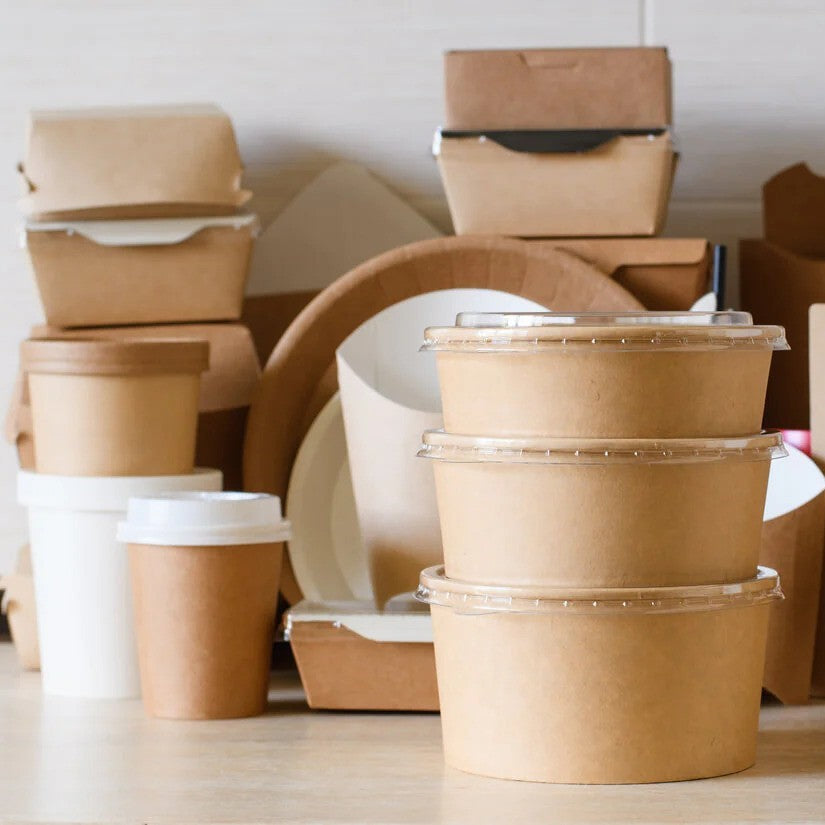
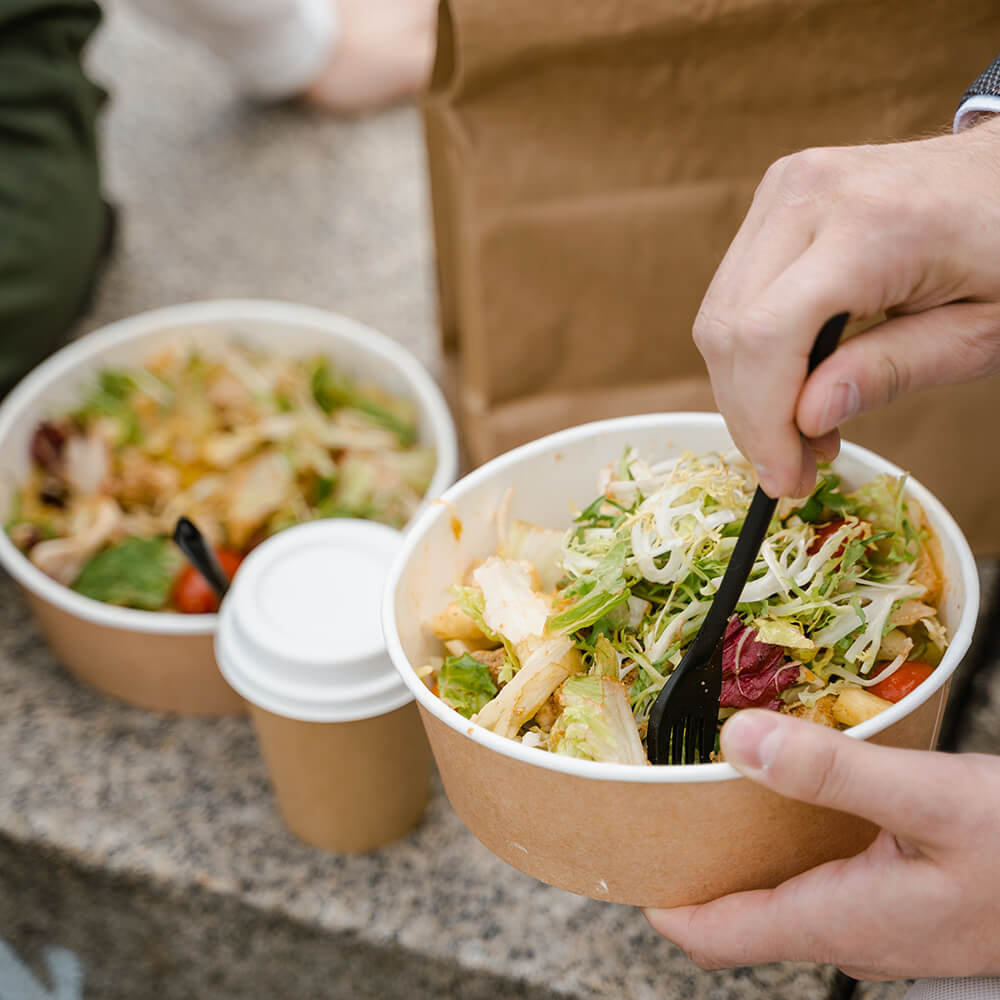
Browse food-safe packaging solutions designed for Australian food service businesses.
Eco-Friendly Bubble Wrap: Sustainable Options for Australian Businesses
Sustainability is no longer optional for many Australian businesses. Consumers increasingly favour brands that demonstrate genuine environmental responsibility, and regulatory frameworks around packaging waste continue to tighten.
Recycled Content Bubble Wrap
The most widely available sustainable option is bubble wrap manufactured from recycled polyethylene. These products perform identically to virgin-material equivalents while diverting plastic waste from landfill. Look for suppliers who clearly state the percentage of recycled content, as this can vary significantly.
Biodegradable Formulations
Some manufacturers offer bubble wrap treated with additives that accelerate breakdown in landfill conditions. While these products are not compostable in a home composting sense, they do reduce the long-term environmental footprint compared to standard polyethylene.
Regulatory Considerations
Australia's National Packaging Targets aim for 100 percent of packaging to be reusable, recyclable, or compostable by 2025, with ongoing enforcement and refinement through 2026 and beyond. States including Victoria, South Australia, and Queensland have introduced single-use plastic bans that, while primarily targeting food service items, signal the direction of broader packaging regulation. Staying ahead of these changes by incorporating recycled-content packaging now positions your business well for future compliance requirements.
For businesses looking to align their entire packaging approach with sustainability goals, custom packaging design can help you balance protection, branding, and environmental responsibility.
Bulk Buying Tips: How to Get the Best Value on Bubble Wrap
For businesses that use bubble wrap regularly, how you buy matters almost as much as what you buy. A few strategic decisions can significantly reduce your per-unit packaging costs.
Volume Pricing and Break Points
Most packaging suppliers offer tiered pricing where the per-metre cost drops as order volume increases. Calculate your monthly usage across all product lines and consider ordering in larger quantities less frequently. The storage cost of a few extra rolls is almost always less than the premium you pay for smaller, more frequent orders.
Storage Considerations
Bubble wrap is lightweight but bulky. Before committing to very large orders, ensure you have adequate dry storage space. Exposure to direct sunlight can degrade polyethylene over time, so indoor or covered storage is ideal. Rolls stored upright take up less floor space than those laid flat.
Evaluating Suppliers
When comparing packaging suppliers, look beyond the unit price. Key factors include:
-
Minimum order quantities: Some suppliers require large minimums that may not suit smaller operations
-
Delivery speed and reliability: Delayed packaging supplies can halt your entire shipping operation
-
Range and availability: A supplier with multiple bubble types and sizes in stock means you can consolidate orders
-
Shipping costs: Free or subsidised delivery thresholds can significantly change the true cost comparison
Pakio offers free delivery across Melbourne metro on orders over $200, with competitive rates for regional and interstate shipping, which helps Australian businesses keep total packaging costs predictable.
Building a Relationship with Your Supplier
Founded by George Weng and Josh Trenerry, Pakio was built on the principle that Australian businesses deserve both quality and affordability. Working with a dedicated packaging supplier rather than ordering ad hoc from general retailers gives you access to expert advice, consistent stock availability, and pricing that reflects a genuine partnership.

Frequently Asked Questions
What size bubble wrap do I need for shipping fragile items?
For most fragile items like glassware, ceramics, and small electronics, start with small bubble wrap (10mm) for direct surface protection. If the item weighs over one kilogram or is particularly impact-sensitive, add an outer layer of large bubble (20mm) or P32 (32mm) wrap. The key principle is that smaller bubbles protect surfaces while larger bubbles absorb impact.
Is bubble wrap recyclable in Australia?
Yes, most bubble wrap is made from polyethylene (plastic type 4, LDPE) and can be recycled through REDcycle collection points at major Australian supermarkets or through commercial soft plastic recycling programs. It should not go in your standard kerbside recycling bin, as it can jam sorting machinery. Many suppliers now also offer bubble wrap made from recycled content, which further reduces environmental impact.
How much bubble wrap do I need per month for my business?
Calculate your average monthly shipments, then estimate the wrap needed per item based on size. A rough guide: for standard e-commerce parcels using 500mm-wide rolls, one 100-metre roll covers approximately 150 to 200 small items or 50 to 80 medium items, depending on how many wraps each item requires. Track your usage for one month to establish a reliable baseline before committing to bulk orders.
What is the difference between small and large bubble wrap?
Small bubble wrap (10mm) has more air pockets per square metre, creating a smoother protective surface ideal for lightweight and scratch-sensitive items. Large bubble wrap (20mm) has fewer but bigger air chambers that absorb stronger impacts, making it better suited for heavier or more rigid items. Think of small bubbles as a protective skin and large bubbles as a shock absorber.
Can I use regular bubble wrap for electronics?
Standard bubble wrap can generate static electricity during handling, which risks damaging sensitive electronic components. For exposed circuits, motherboards, hard drives, and similar items, always use anti-static (pink) bubble wrap. For consumer electronics already in their retail packaging, standard bubble wrap is generally safe since the product box provides the primary static barrier.
How should I store bubble wrap rolls?
Store rolls in a dry, cool area away from direct sunlight, as UV exposure can weaken polyethylene over time. Stand rolls upright to minimise floor space usage. Keep them off the ground if your storage area is prone to moisture. Properly stored bubble wrap maintains its protective properties for several years.
Is buying bubble wrap in bulk actually cheaper?
In almost every case, yes. Bulk purchasing typically reduces the per-metre cost by 15 to 30 percent compared to buying individual rolls, depending on the supplier and volume. The savings increase further when you factor in reduced delivery frequency and consolidated shipping costs. For businesses using more than five rolls per month, bulk ordering through a packaging specialist is worth investigating.
Protect Your Products, Protect Your Reputation
Choosing the right bubble wrap is a small decision that compounds across every shipment your business sends. The right type prevents damage claims. The right size reduces waste. The right supplier keeps your packing line running without interruption.
Whether you are an e-commerce seller shipping hundreds of parcels a week, a removalist protecting someone's most valued possessions, or a warehouse manager optimising your packaging workflow, the principles in this guide give you a framework for confident, cost-effective decisions.
Pakio stocks a comprehensive range of packaging solutions for Australian businesses, with competitive wholesale pricing and fast delivery from our Melbourne warehouse. Browse our latest packaging products and resources, or get in touch with our team to discuss your specific requirements. Call us on 1300 362 158 or email info@pakio.com.au.